
Malaika Arora and Dhaval Udeshi have been keeping a secret for the past few months — and it’s finally ready to be shared.
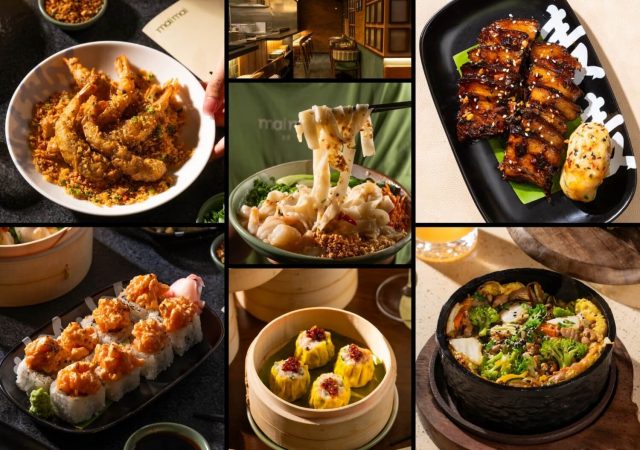
Born out of extensive research, return visits and time spent in kitchens that rarely call themselves restaurants, Sweeney brings together home-style Thai and European cuisine in a way that feels both deeply familiar and newly alive. This is food shaped by memory, repetition and care — recipes rediscovered from homes, preserved with respect and reimagined for the table today.
At Sweeney, the idea of “home” is not a concept — it is the starting point. From Southern and Northern Thai households where meals are built around shared pots, rice, and instinctive balance, to Italian kitchens where nonnas cook generously, slowly, and without performance, every dish here begins with how food is actually lived with. The menu reflects months of immersion into how these cuisines are cooked, eaten, and passed down — not as nostalgia, but as living practice.
Speaking about the vision behind Sweeney, Malaika Arora shares, “Scarlett was about welcoming people into my home — it was intimate and deeply personal. Travel, on the other hand, has always been my passion, and when I’m away, food becomes my comfort. Sweeney is the taste of that comfort — the flavours I return to wherever I am in the world. Thai and European cuisines have always felt familiar to me, grounding and reassuring in unfamiliar places. Sweeney brings those experiences together — a second home that feels warm, instinctive, and lived-in, where you arrive hungry, stay longer than planned and leave feeling quietly looked after.”
Dhaval Udeshi adds, “Sweeney was built through research and return — going back again and again to understand how food is actually cooked at home, and how craft is truly learned at the bar. At DU Hospitality, we are committed to redefining the dining landscape through concept-led restaurants that are rooted in real work, real kitchens, and real people. Sweeney reflects that philosophy — a place that preserves what deserves protection, while actively building the next generation of talent.”
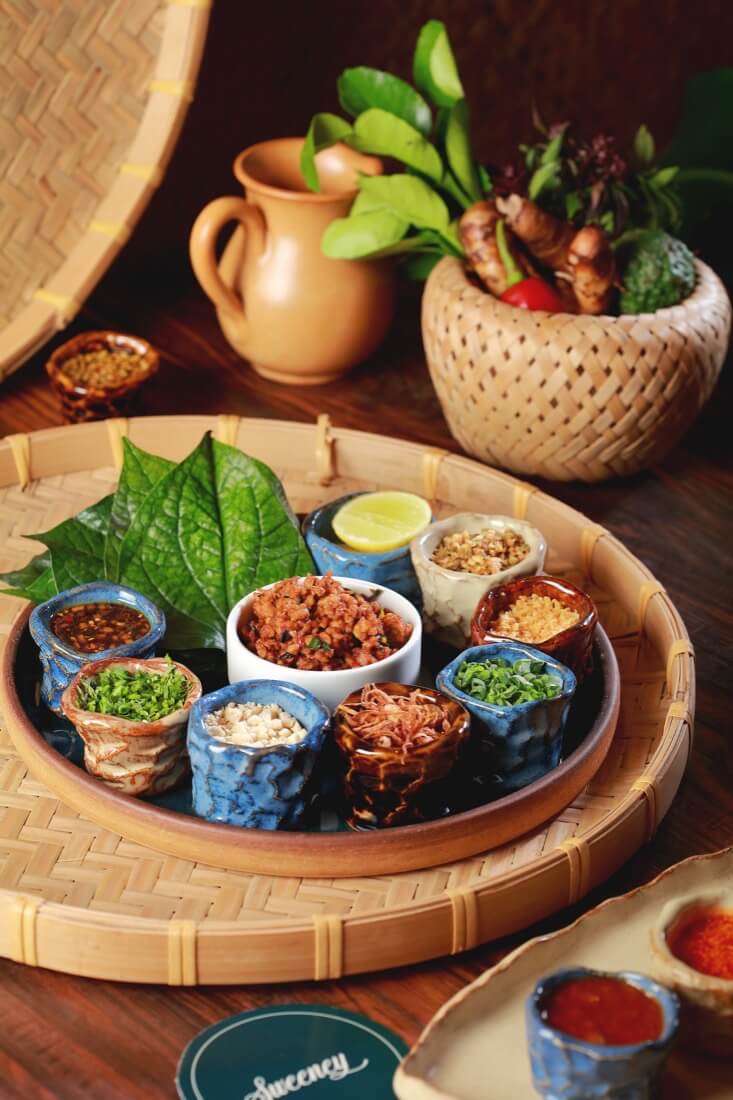
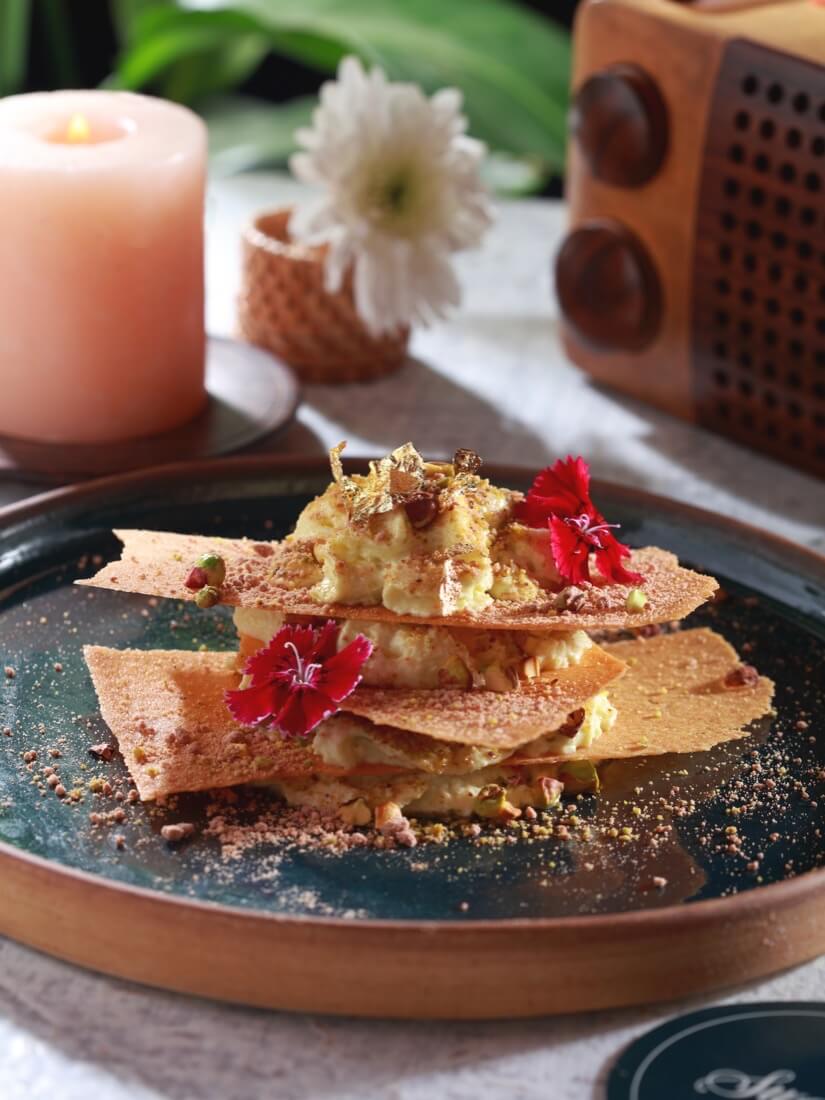

The kitchen at Sweeney is rooted in the domestic traditions of Thailand — both South and North — where cooking is led not by chefs, but by women and elders who hold the responsibility of nourishment. In Southern Thailand, food is bold, coconut-rich, and grounding: seafood cooked with turmeric, fermented pastes, and heat that builds slowly and lingers. These are dishes cooked once, eaten together, and remembered long after. In the North, Lanna cuisine reveals a gentler hand — herb-forward, warming, restrained — stews, relishes, grilled elements, and slow preparations shaped by patience rather than performance.
This research extended beyond recipes into households, regional kitchens, and conversations around how food is actually cooked and eaten — how rice anchors a meal, how dishes are layered on the table rather than plated, and how balance is felt rather than measured. At Sweeney, this translates into food that is generous, instinctive, and deeply satisfying — dishes meant to comfort first, and impress as a consequence.
Alongside this runs a European thread that is equally intimate. Italian home cooking forms the starting point of this European narrative at Sweeney, inspired by the everyday meals of nonnas — — olive-oil-rich preparations, slow-simmered sauces, grilled meats, handmade pastas, and recipes shaped by repetition and care. This is comfort food in its truest sense: unfussy, indulgent, and designed to be lived with.
Gently woven into this foundation are subtle influences from French and Mexican home-style cooking — not as departures, but as quiet extensions of the same philosophy. From French domestic kitchens come techniques of restraint and refinement: careful reductions, butter-led finishes, and an instinct for balance that adds depth without excess. Mexican home-style influences bring warmth and generosity — corn-led
preparations, slow-cooked meats, earthy spices, and heat used intuitively rather than theatrically. These elements are never announced or separated; they surface naturally, enriching the menu while allowing Thai and Italian home cooking to remain firmly at the core. As Sweeney evolves, this European canvas will continue to expand — introducing additional home-style European dishes over time, guided by the same principles of restraint, comfort, and lived-in cooking.
Signature dishes across the menu reflect this philosophy — food that feels familiar even on first taste. Curries built to be shared, herb-laced grills, dririce-led plates, slow-cooked meats, and pastas that carry warmth rather than spectacle. Every dish is rooted in a real kitchen, carried here with respect.
Chef Ravraj Singh Chandok adds: “At Sweeney, the focus is on preservation and reinvention. We’ve worked to protect the essence of these home-style Thai and European dishes — how they’re cooked, shared, and lived with — while refining them for today’s table. It’s not about recreating the past, but about carrying it forward with care, technique, and intention. The food is comforting at its core, but shaped by research, repetition, and respect for where it comes from.”
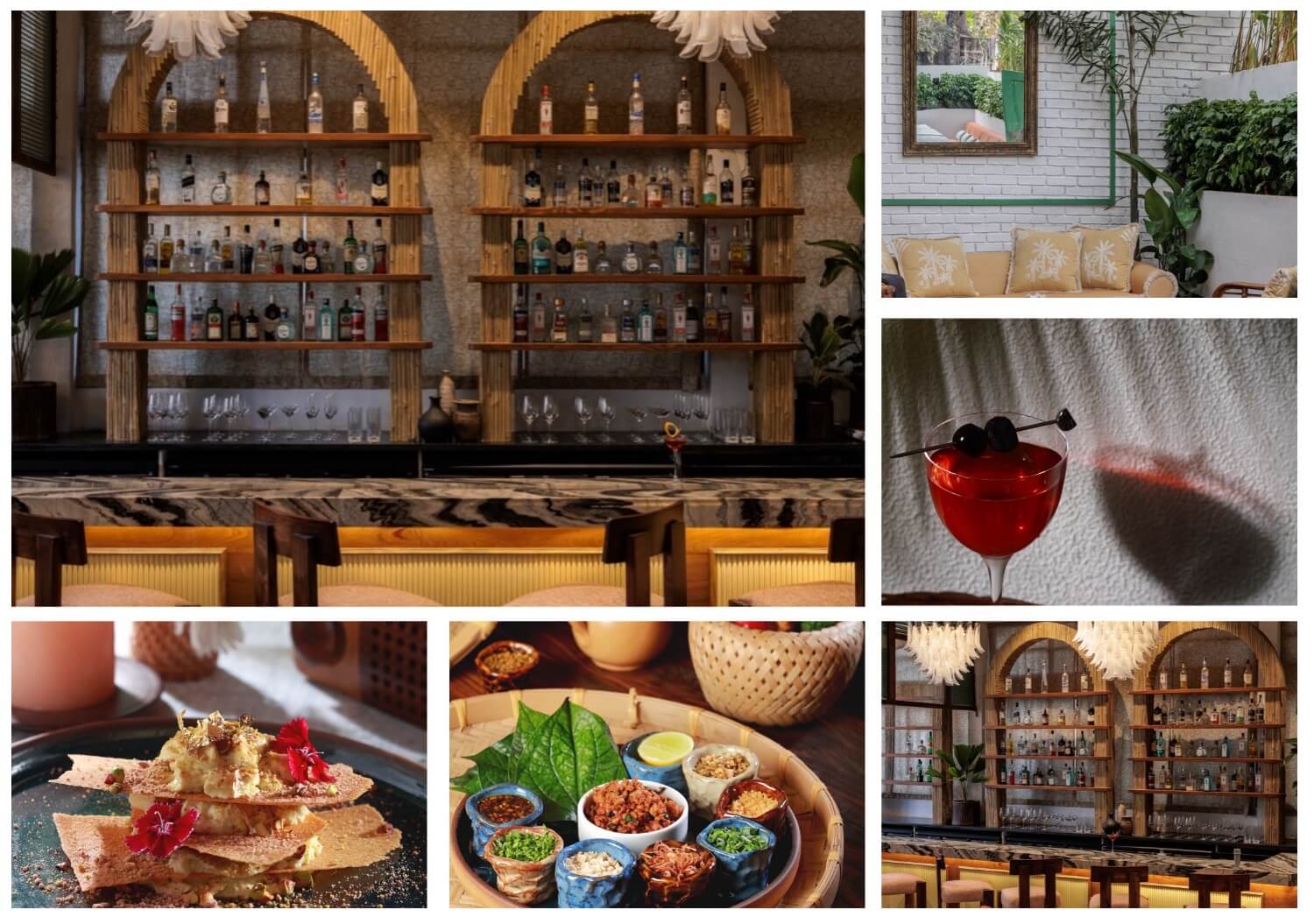
If the kitchen looks to inheritance, the bar at Sweeney looks deliberately to the future.
Designed as a women-led platform and exchange programme, the bar functions as an incubator for bartenders and mixologists of tomorrow — a space where learning happens through service, repetition, and responsibility rather than instruction.
The drinks programme has been designed not as a showcase, but as a system — one built to train, shape, and elevate bartenders over time. Sweeney is committed to building the bartenders of tomorrow through discipline, repetition, and service at the highest level. This is not a classroom and never a performance.
Learning happens the way it always has in serious bars: during service, behind the counter, under pressure.
The cocktail menu is intentionally restrained, anchored in modern classics and clean edits where balance, temperature, texture, and timing take precedence over novelty. Spirits are treated with precision, not theatrics. Each cycle, one drink on the menu is quietly entrusted to a bartender in becoming — credited without announcement, held to the same uncompromising standard. Some hands behind the bar are experienced. Some are still finding their confidence. The bar never tells you which is which.
Speaking about the philosophy behind the bar, Fay Barretto, Beverage Director shares: “We wanted to create a space where women at the bar could learn the way this craft was always meant to be learned — through observation, discipline, and service. Sweeney is an exchange, not a spotlight. It allows bartenders to grow into their voice quietly, while being held to the highest standards every single night.”
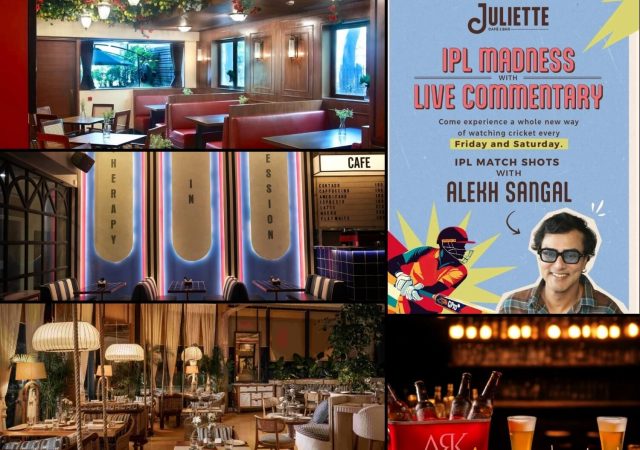
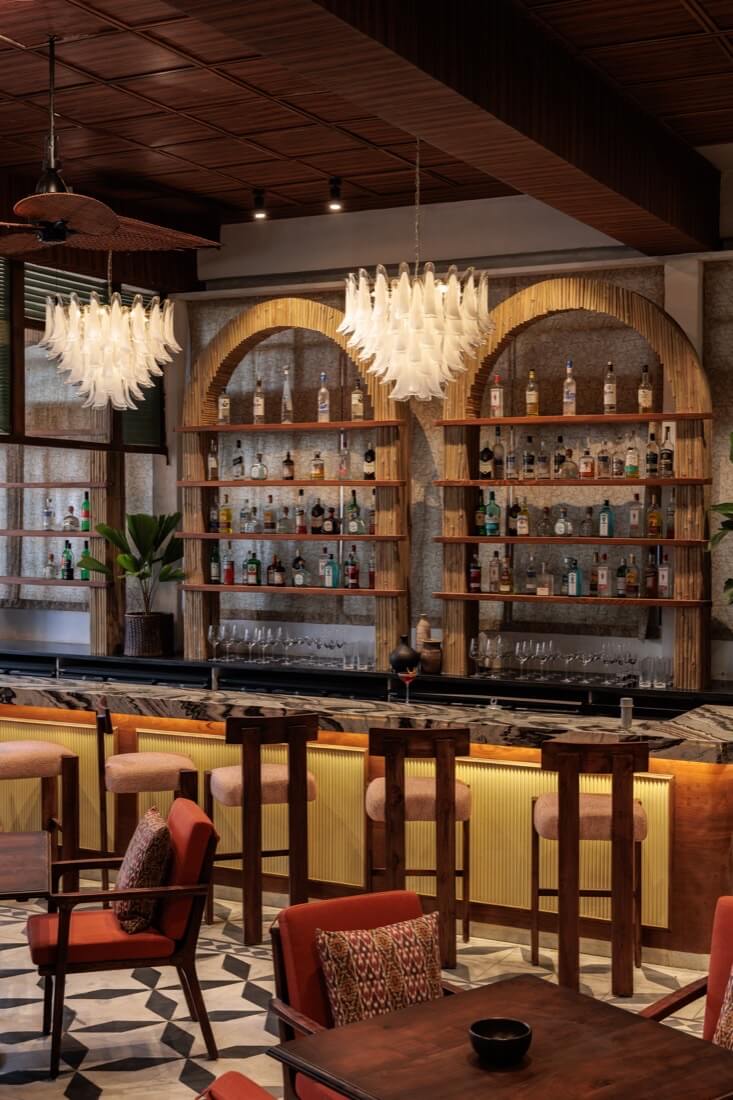
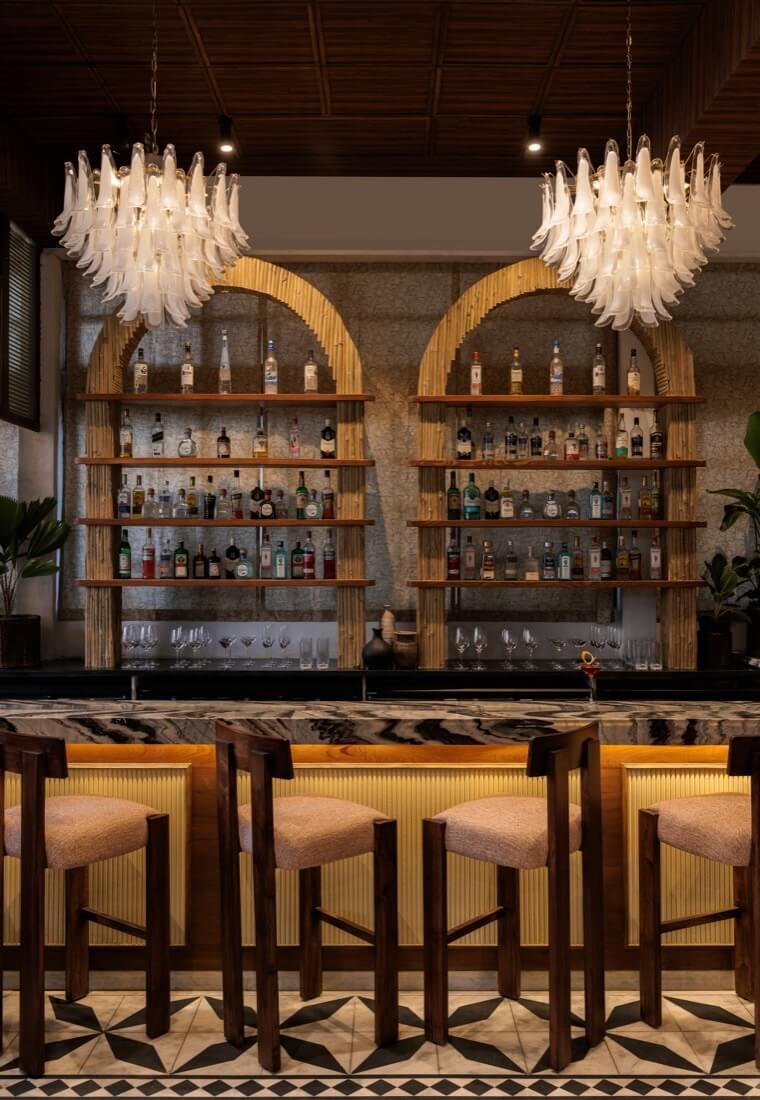
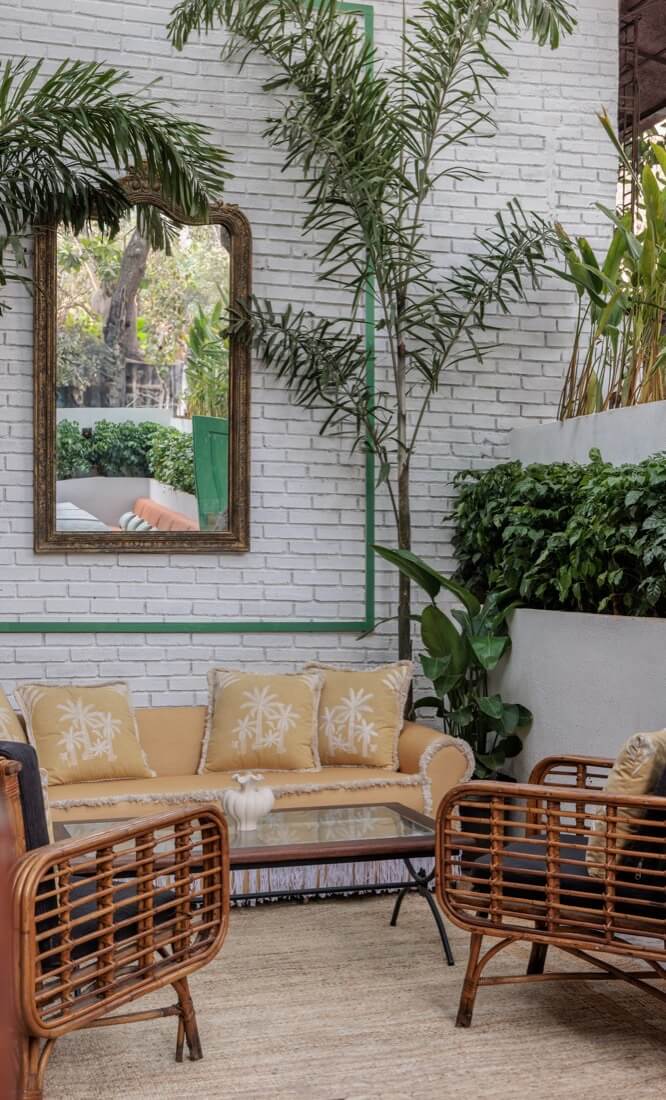
The space itself mirrors this philosophy. Designed as a slow reveal, Sweeney allows guests to settle into it rather than take it in at once. Sage green interiors, layered textures of cane, bamboo, fabric, and wood, and warm, shifting light create an environment that feels calm yet alive. Thai elements bring warmth and tactility; European restraint brings balance and rhythm. The bar anchors the room emotionally, while intimate dining pockets, a discreet private room, and a seamless alfresco extension ensure the space never feels overwhelming, even at full capacity.
Sweeney makes no attempt to rush the experience. What it offers instead is consistency — food that tastes as it should, drinks that arrive just right, and people who move with quiet confidence because this is work they know well.
The kitchen remembers. The bar becomes.
Sweeney is where home cooking is honoured — and where craft is built for the future.