
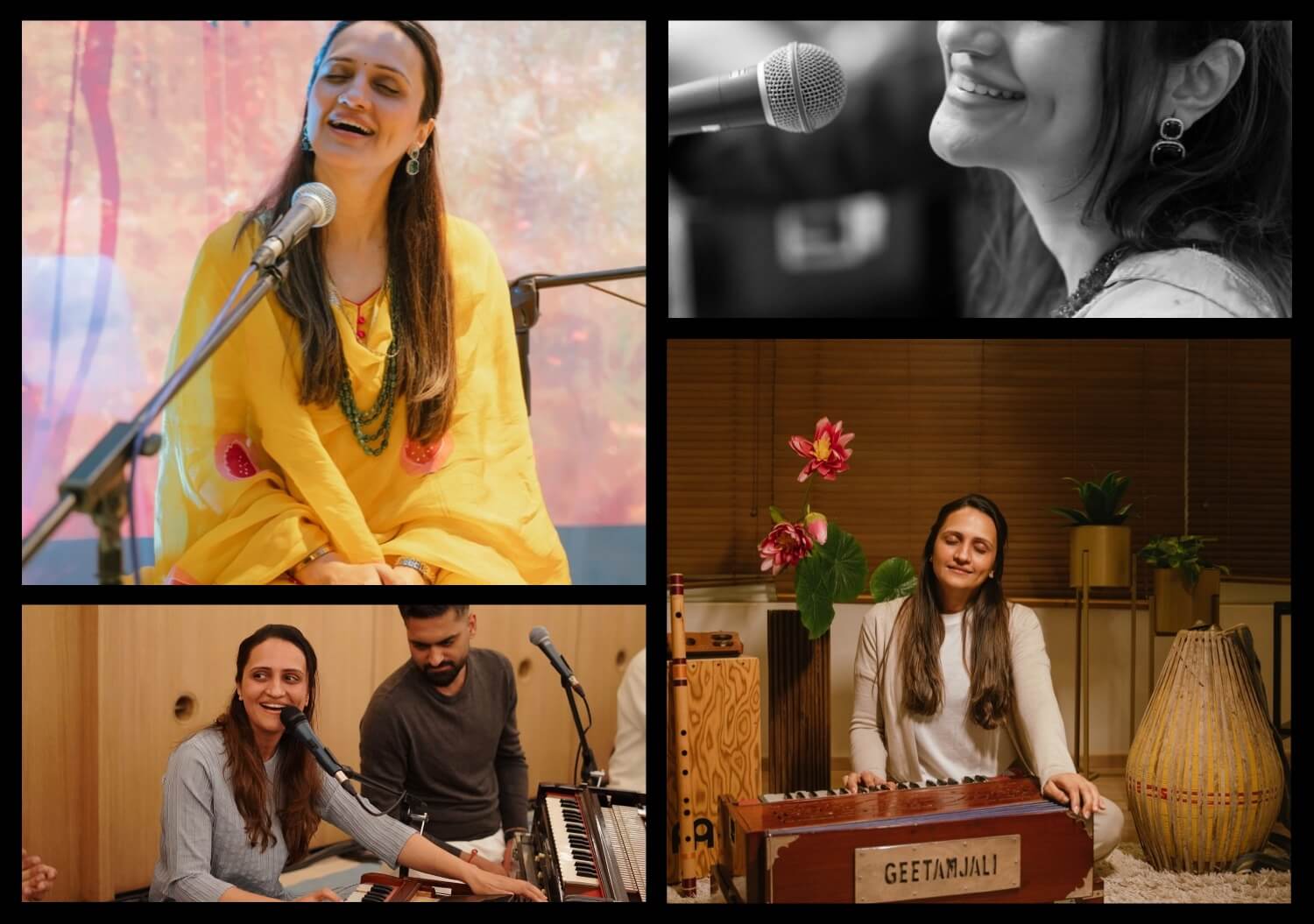
A Mumbai-based spiritual singer and space-holder, Meghna’s journey into devotional music wasn’t strategic or planned; it unfolded organically through lived experience, gradually revealing itself as her true calling.
Raised in a Gujarati household where spirituality was expressed through seva, ritual, and everyday kindness, devotion was something she absorbed long before she understood it. Compassion, as taught by her mother, came before dogma, and humanity before labels. That ethos continues to shape the way she holds space today.
Interestingly, Meghna’s formal training was in fashion. She completed her master’s in London and went on to launch her own label. But during the stillness of the pandemic, singing and chanting became her personal anchor. What began as a private grounding practice slowly turned outward, as people began responding deeply to the vulnerability and emotional honesty in her voice. She often says she stopped seeing herself as a performer and began understanding herself as an instrument, allowing sound to move through her rather than from her.
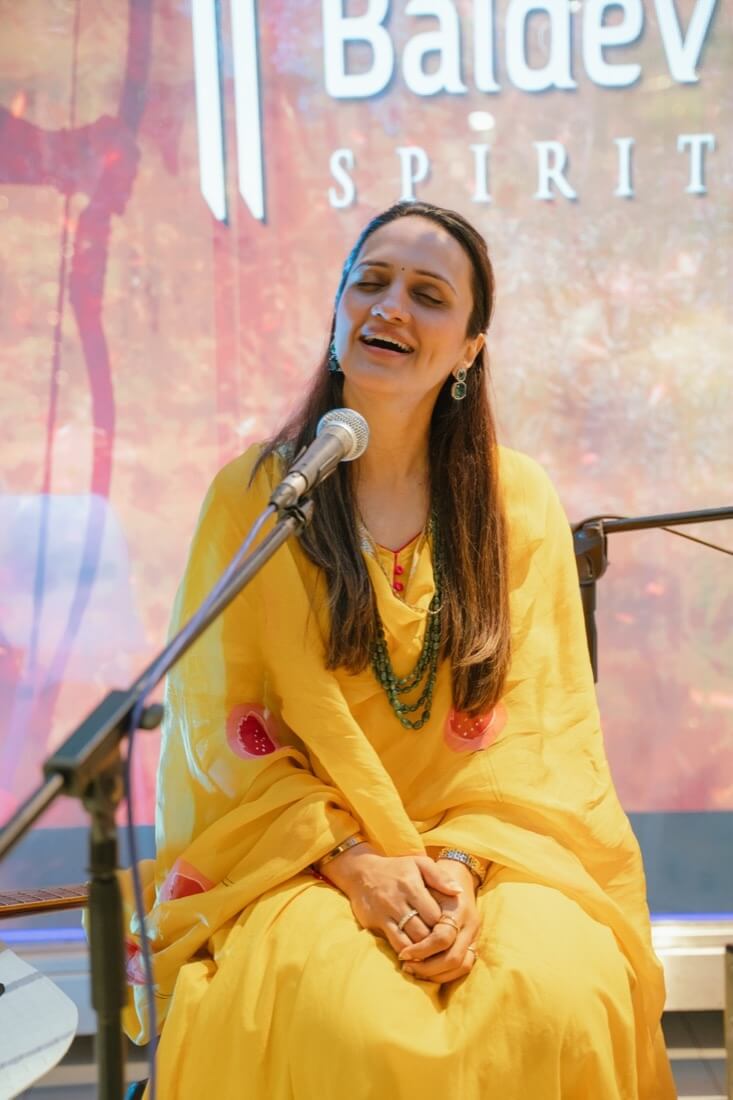

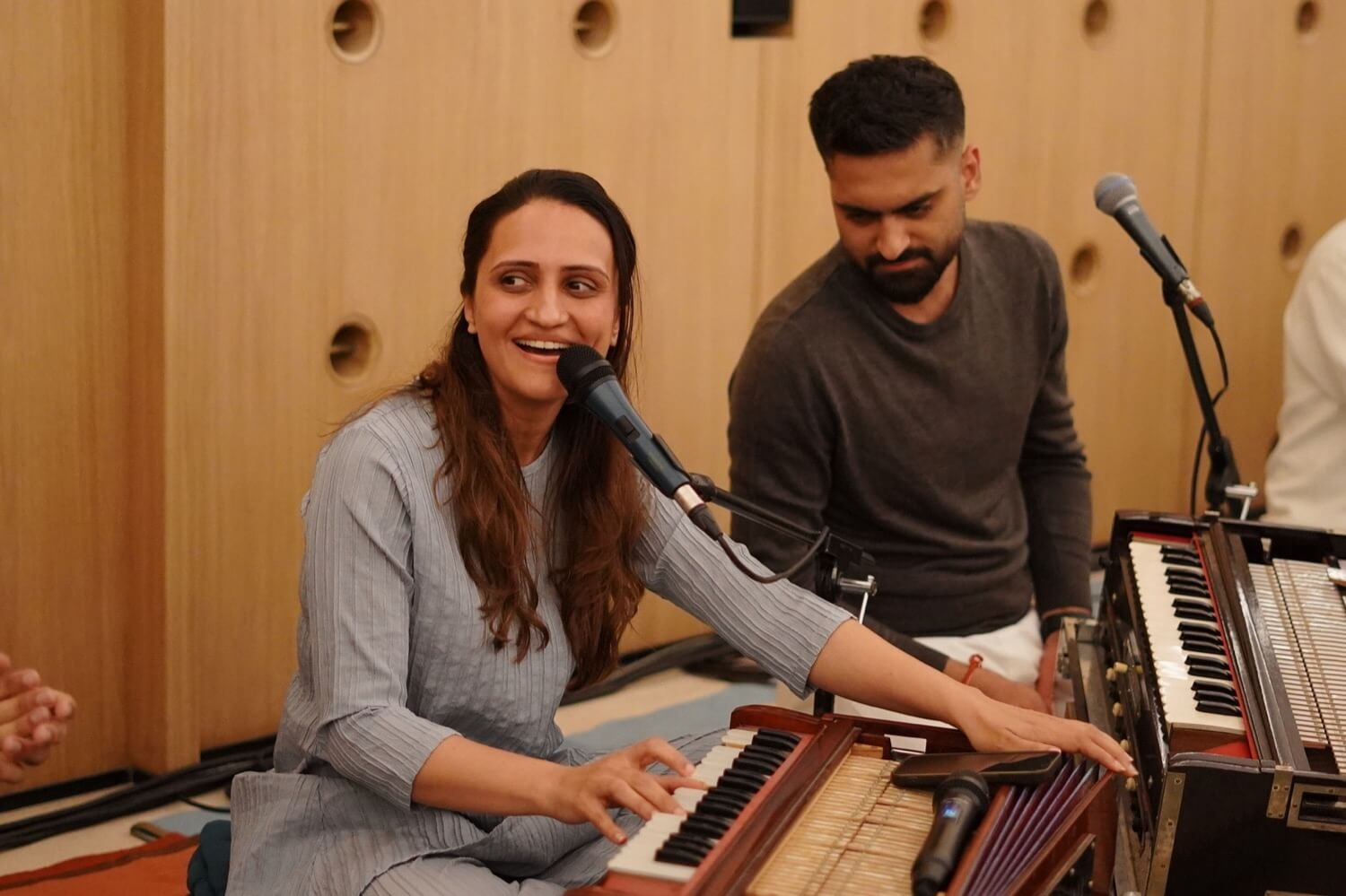
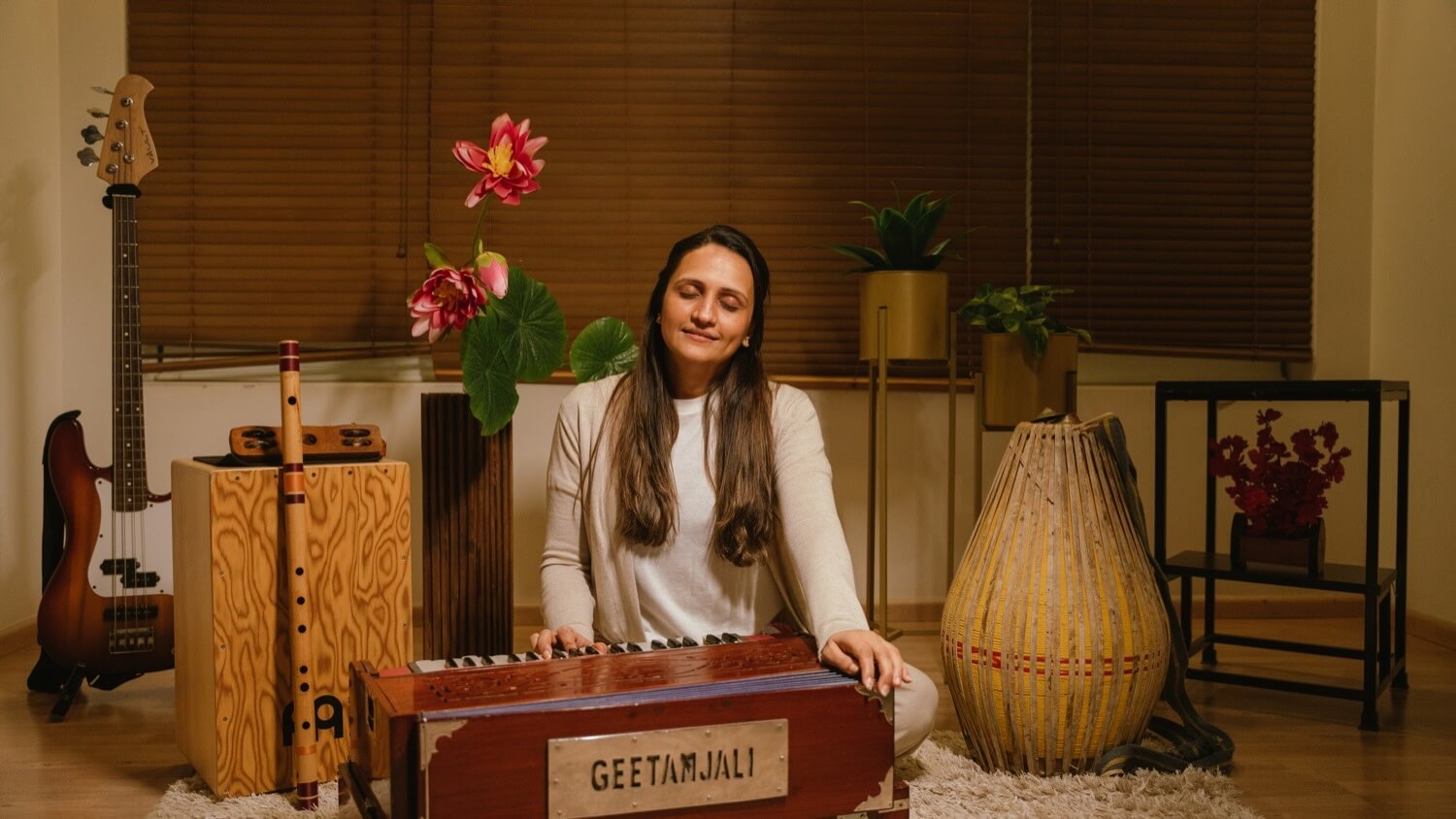
Today, her primary focus is Megh, a deeply personal and evolving offering through which she curates intimate retreats, sound gatherings, and reflective wellness experiences. Megh is not a conventional “brand.” It is more an extension of how she lives, listens, and creates. The spaces she designs are intentionally soft and emotionally safe, rooted in the belief that healing does not come from performance or perfection, but from presence.
In a wellness landscape that can often feel aesthetic or individualistic, Meghna’s work is grounded in sincerity and collective emotional holding. Her gatherings are immersive rather than performative, devotional yet accessible, spiritual without rigidity. She resonates particularly with younger urban audiences seeking connection, nervous system regulation through sound, and spirituality that feels lived rather than prescribed.
While she is also a co-founder of Kirtan Mumbai, a growing community collective, what feels especially compelling at this moment is Meghna herself: her voice, her personal evolution, and the way she is reimagining devotion and sound as a language for belonging.