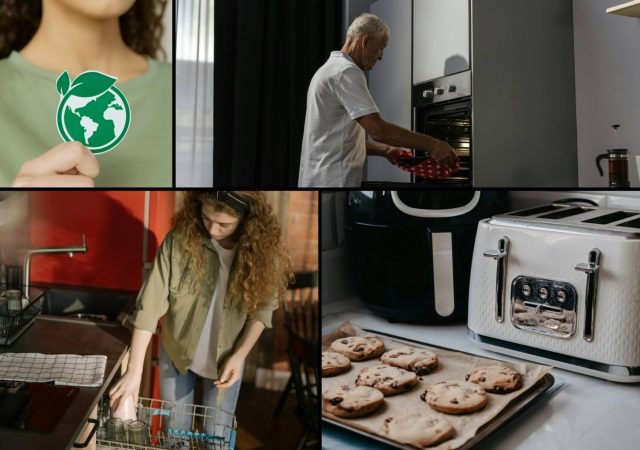

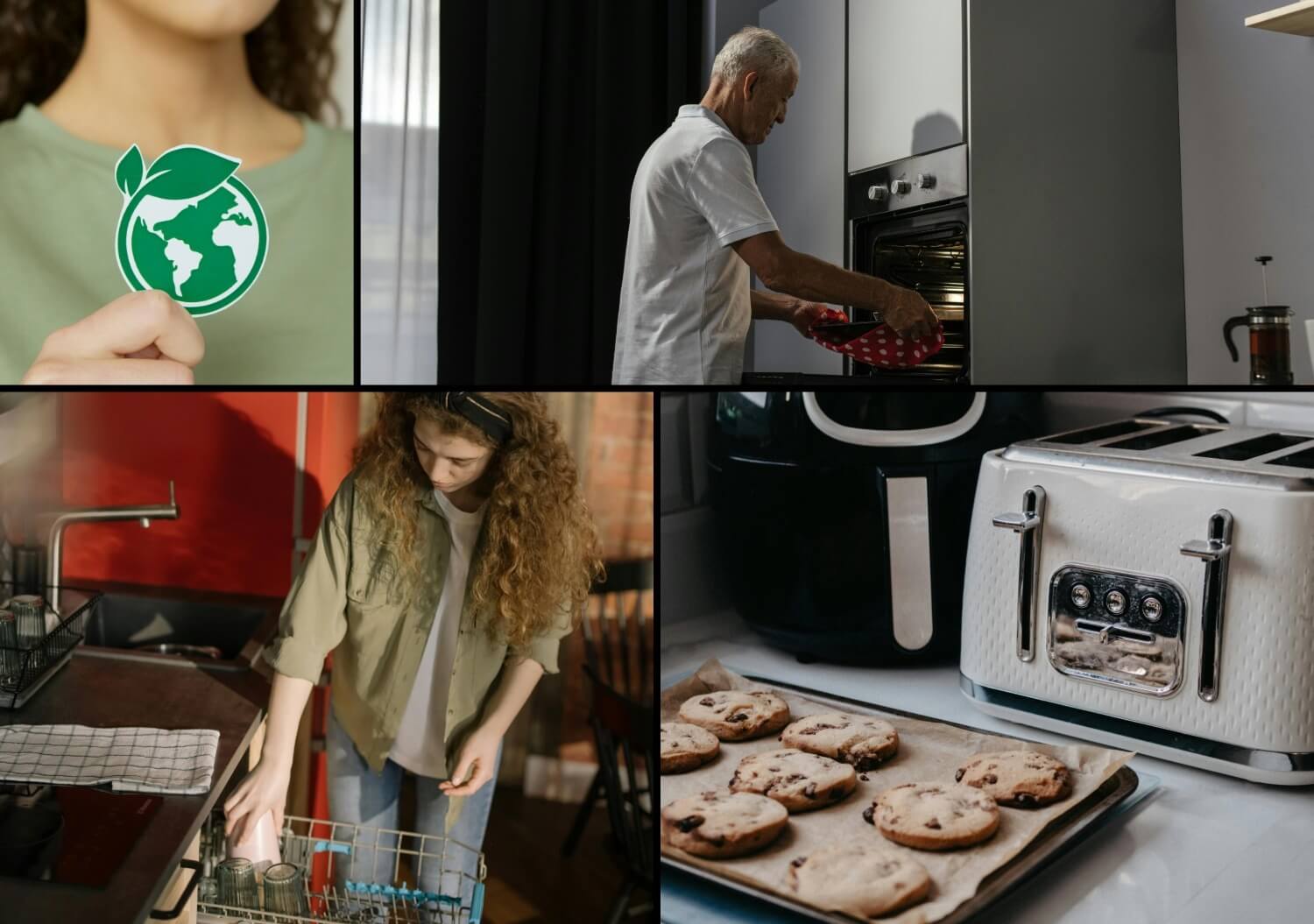
As conversations around climate change and resource conservation gain momentum, households are increasingly recognising the role everyday choices play in shaping a more sustainable future. While large systemic changes are essential, small actions within our homes, from how we cook and clean to how we use water and energy, can collectively make a meaningful impact.
This World Earth Day, here are a few simple yet effective ways households can make their homes more sustainable.
1. Choose Energy-Efficient Appliances
Energy-efficient appliances are one of the most effective ways to reduce household electricity consumption. Products designed with advanced energy management technologies can significantly lower power usage while maintaining performance, helping households reduce both utility bills and their environmental footprint.
2. Be More Mindful About Water Usage
Water conservation often begins in the kitchen. Traditional methods of washing utensils can use far more water than necessary. Modern dishwashing solutions designed to optimise water usage can help households dramatically reduce daily consumption.
3. Cook Smarter with Energy-Efficient Methods
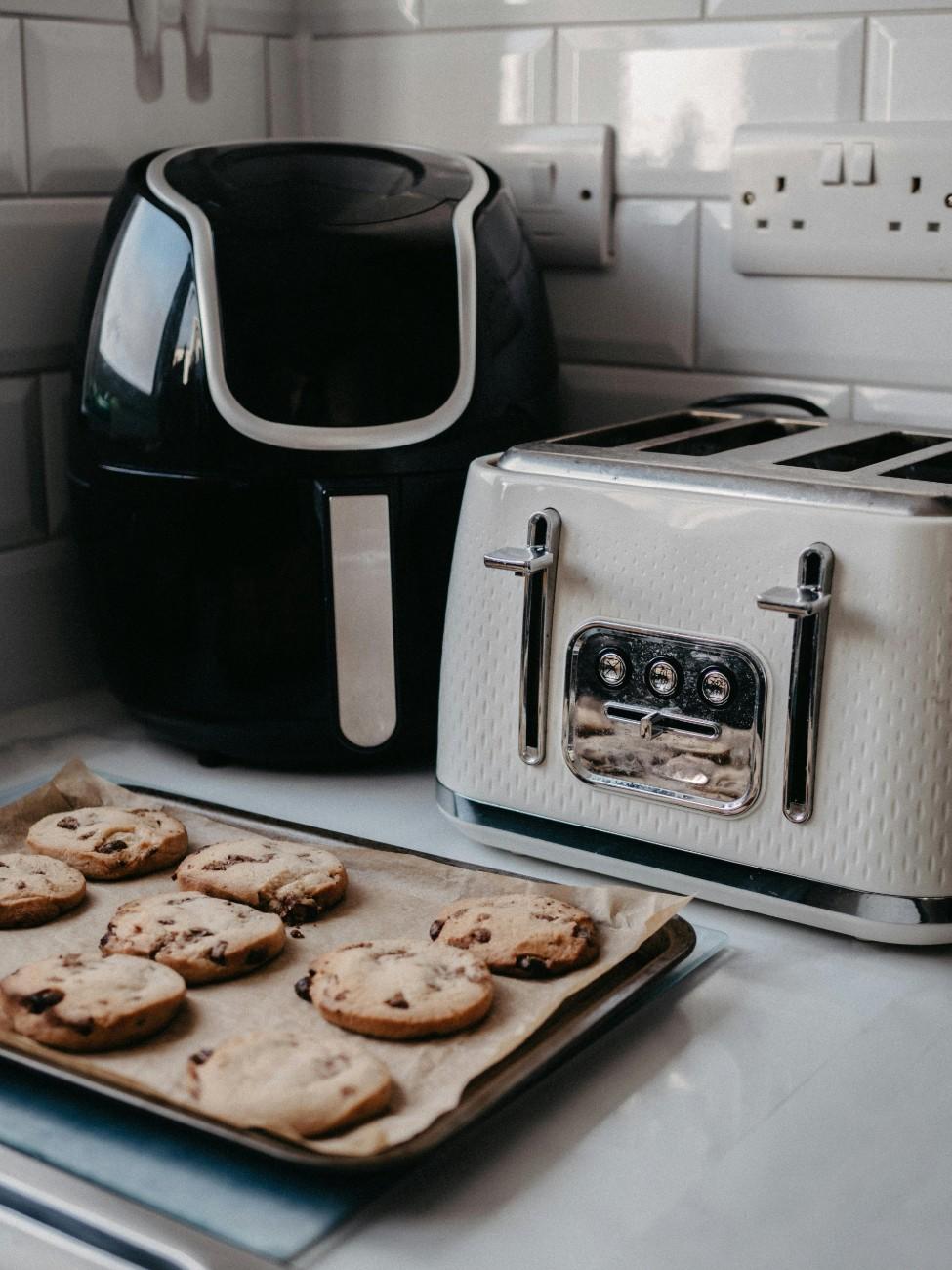
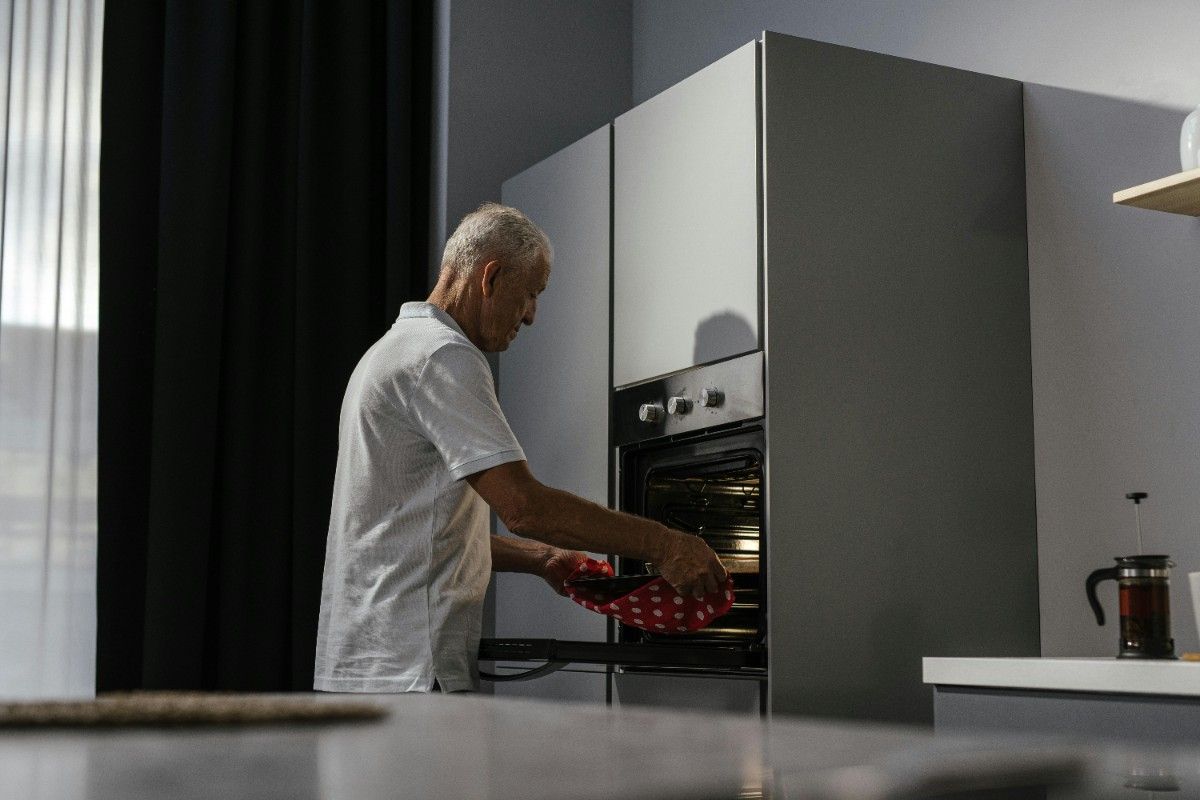
Cooking methods such as convection cooking, induction technology, or air frying can help reduce cooking times and energy consumption. Appliances designed for precision cooking ensure that heat is distributed efficiently, reducing energy waste while delivering better results.
4. Reduce Food Waste Through Better Storage
A large portion of household food waste occurs because ingredients spoil before they are used. Refrigeration technologies that maintain stable temperatures and humidity levels can help extend the freshness of fruits, vegetables, and other perishables.


5. Invest in Durable Products That Last Longer
One of the most sustainable choices consumers can make is investing in products designed for long-term use. Appliances built with durability and repairability in mind help reduce electronic waste and minimise the need for frequent replacements. For instance, manufacturers such as BSH Home Appliances emphasise longevity by designing appliances that are tested for extended lifecycles and supported by long-term service and spare-part availability.
6. Maintain and Repair Instead of Replacing
Routine maintenance and timely repairs can significantly extend the life of appliances. Choosing brands that prioritise service networks and spare-part availability encourages a culture of repair rather than disposal.
7. Build Sustainable Habits at Home
Ultimately, sustainability is not driven by a single decision but by a series of conscious choices. From reducing food waste to optimising energy and water consumption, small behavioural shifts within households can collectively contribute to a more sustainable future.