
In a world where trends are dictated by algorithms and wardrobes refresh faster than seasons, asking whether Khadi can compete with fast fashion almost feels unfair. Fast fashion thrives on immediacy. Khadi was born in patience. But perhaps competition is the wrong lens. Fast fashion has perfected velocity. It studies consumer behaviour in real time, …
In a world where trends are dictated by algorithms and wardrobes refresh faster than seasons, asking whether Khadi can compete with fast fashion almost feels unfair. Fast fashion thrives on immediacy. Khadi was born in patience.
But perhaps competition is the wrong lens.
Fast fashion has perfected velocity. It studies consumer behaviour in real time, produces at scale, and delivers instant gratification. In a digital-first India, where reels influence retail and impulse often precedes intention, this model feels almost unstoppable. The appetite for newness is constant, and the cycle of desire has dramatically shortened.
And yet, beneath this acceleration, a subtle shift is underway.
Today’s consumer, particularly the urban and globally exposed Indian, is beginning to question excess. Over-consumption no longer feels aspirational. Sustainability is not a fringe concern. The same digital platforms that amplify fast fashion are also amplifying conversations around environmental cost, ethical production, and cultural dilution.
Khadi enters this dialogue not as nostalgia, but as relevance.
Historically, it symbolised resistance and self-reliance. In contemporary India, it has the potential to symbolise consciousness. It is breathable, biodegradable, handcrafted, and inherently sustainable. Its strength lies not in speed, but in story.
The real question, then, is not whether Khadi can replicate the pace of fast fashion. It is whether it can redefine aspiration.
Fashion has always been an expression of identity. In India today, identity itself is evolving. National pride is no longer confined to ceremonial occasions or rhetoric. It is finding quieter, more refined expressions in design, language, and lifestyle choices. Wearing something rooted in Indian craft is increasingly perceived as informed rather than old-fashioned.
This is where the idea of a design-oriented nationalist brand becomes meaningful.
A nationalist brand, in its most evolved form, does not rely on loud symbolism. It prioritises craftsmanship, contemporary aesthetics, and cultural intelligence. Pride does not need to be theatrical. It can be tailored, minimal, and globally relevant.
For Khadi to thrive in a digital-first economy, it must be recontextualised. Not as a relic of the freedom movement, but as a fabric aligned with the future of conscious luxury.
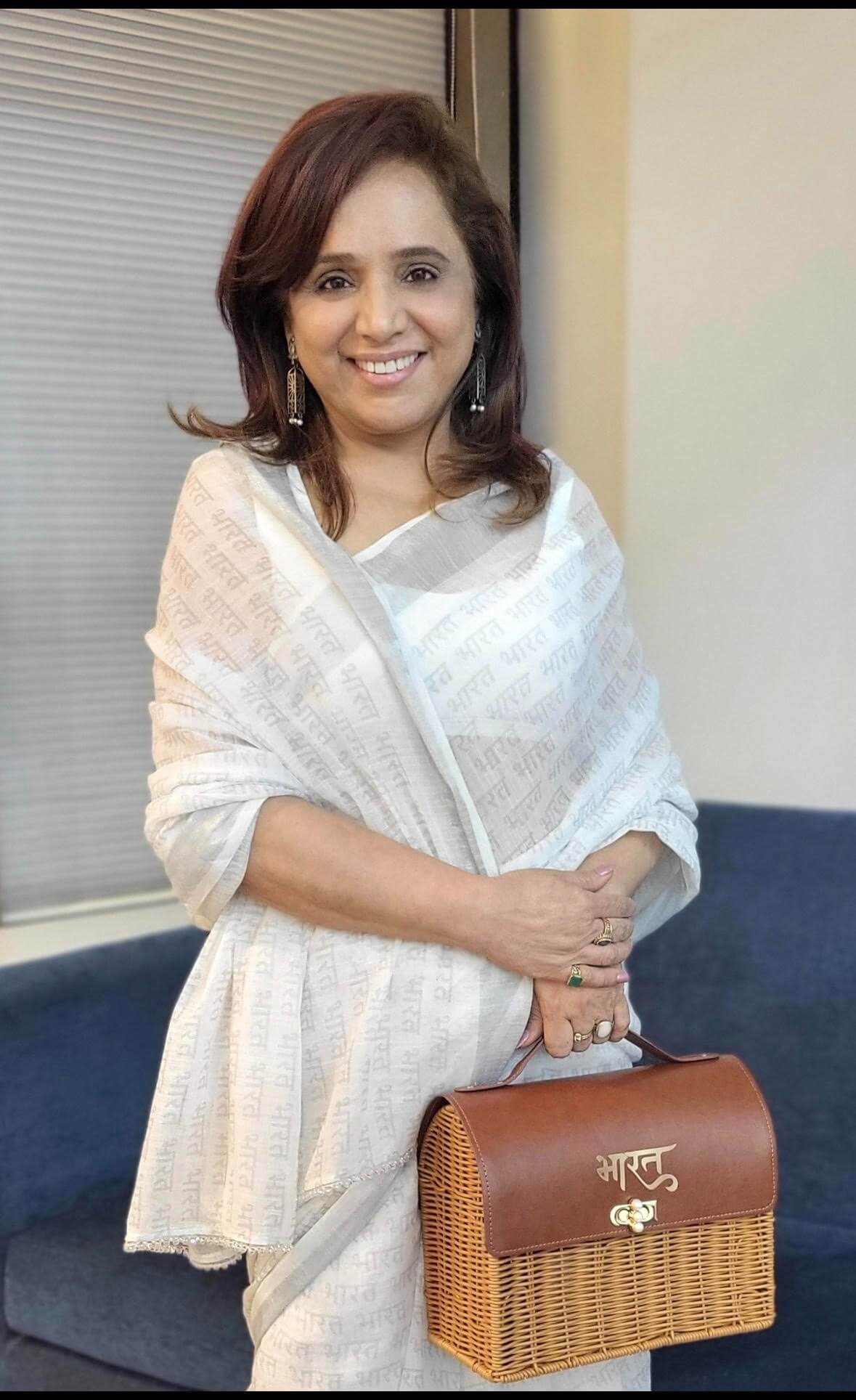
The Direct-to-Consumer model offers a powerful pathway for this transformation. D2C is not merely about bypassing intermediaries. It is about owning the narrative. It allows brands to educate consumers, build communities, and frame heritage in a language the digital generation understands. Through curated feeds, strong visual storytelling, and thoughtful positioning, Khadi can move from government emporiums into global conversations.
The digital space also democratises aspiration. A well-designed Khadi jacket, styled thoughtfully and presented with clarity, can sit comfortably beside international labels. The difference lies in confidence of presentation. When heritage is framed with design integrity, it does not compete; it coexists.
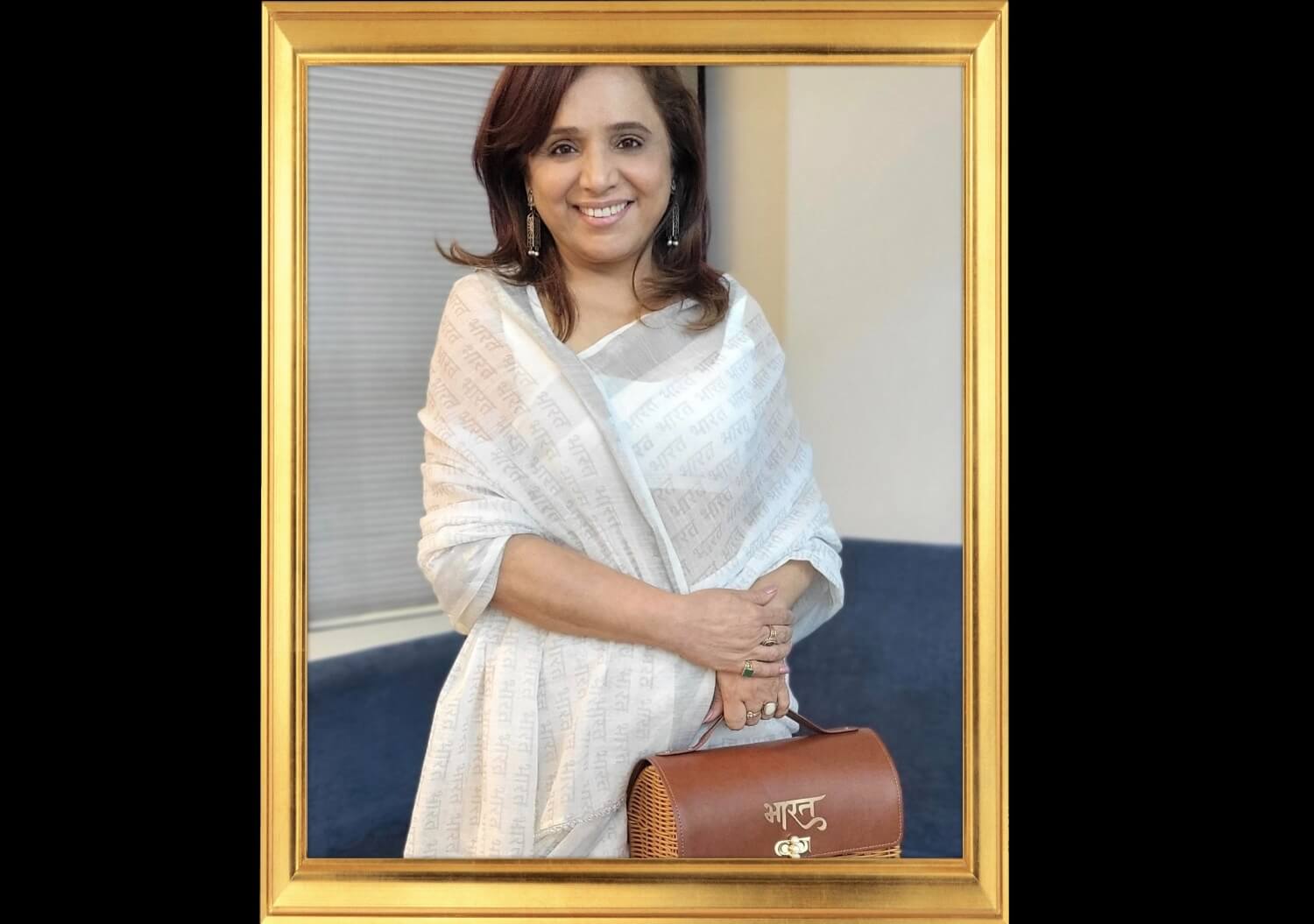
This is precisely the space Luv My India was created to occupy. Conceived as a design-led lifestyle label, it approaches Khadi not as costume, but as canvas. The intent is to translate cultural pride into contemporary silhouettes, clean typography, and wearable statements that resonate with a new generation. It is less about nostalgia and more about narrative.
In today’s nationalist identity, there is a growing desire for cultural ownership without isolation from the world. The modern Indian consumer is globally aware yet deeply rooted. Luv My India aligns with this evolving mindset by offering pride that is subtle, stylish, and conscious. It speaks to those who want their fashion choices to reflect not just trend awareness, but cultural awareness.
Ultimately, Khadi does not need to outpace fast fashion to remain relevant. Its power lies in offering an alternative rhythm.
Fast fashion satisfies the impulse of the moment. Khadi satisfies the instinct for meaning.
In an age defined by speed, perhaps meaning is the greater luxury. And in that space, Khadi does not merely compete. It evolves.