
The Crites Collection, in collaboration with the ICA Gallery – Jaipur, presents two ground-breaking solo exhibitions, titled The Enigma of Jaipur by the late Nannu Singh and The Jadugar of Jaipur by Nagdas. The exhibitions will be on view from the third to the ninth of February 2026 at the Visual Arts Gallery and the Open Palm Court, India Habitat …
The Crites Collection, in collaboration with the ICA Gallery – Jaipur, presents two ground-breaking solo exhibitions, titled The Enigma of Jaipur by the late Nannu Singh and The Jadugar of Jaipur by Nagdas. The exhibitions will be on view from the third to the ninth of February 2026 at the Visual Arts Gallery and the Open Palm Court, India Habitat Centre, New Delhi.
The exhibitions have been conceptualized by Minhazz Majumdar, a specialist scholar of indigenous art, Mitchell A. K. Crites, along with Vijendra Bansal and his son, Abhinav, from the ICA Gallery in Jaipur. Crites is an American who has spent the last fifty-five years in India, working with folk, tribal, and tantric artists, mainly in central and western India. The Bansal family has been actively involved for three generations with the discovery of major artists in Jaipur, as well as setting up a museum which contains more than 29,000 Sanskrit documents and an amazing collection of traditional miniatures, drawings, and manuscripts.
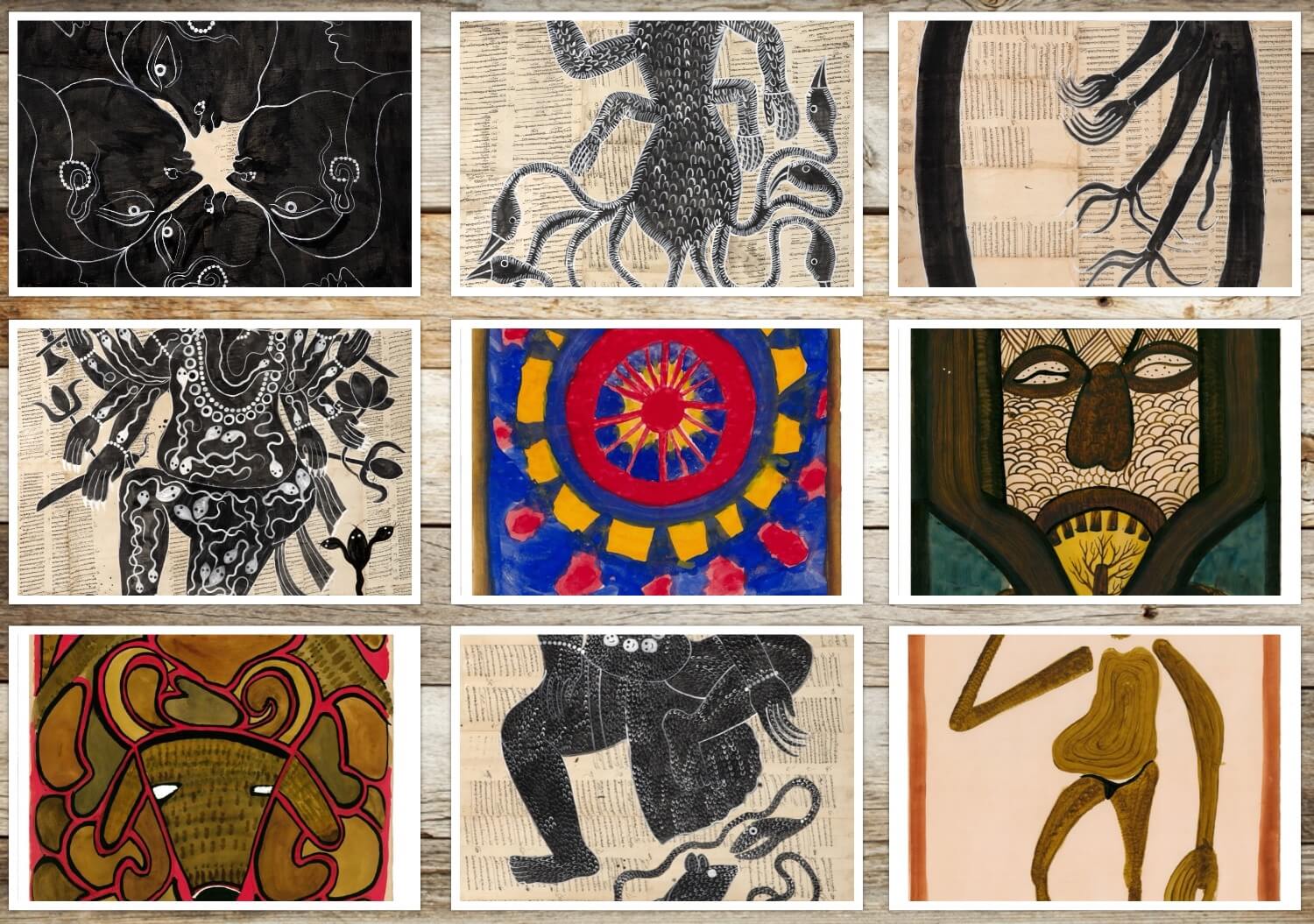
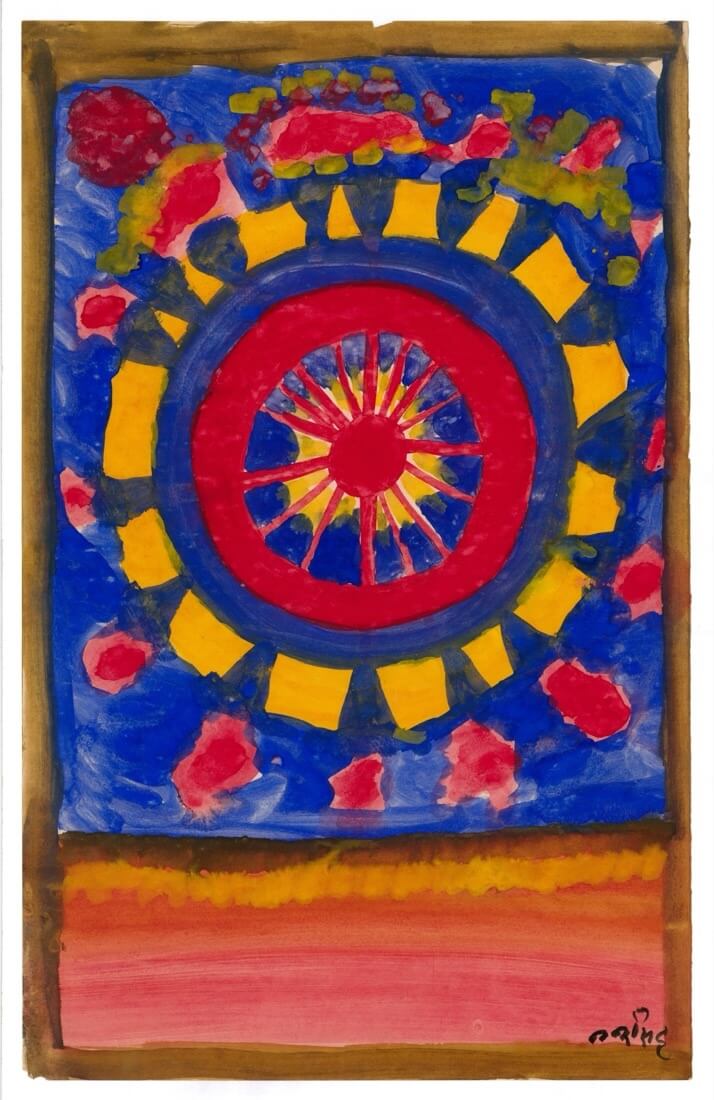
The Enigma of Jaipur exhibition showcases the work of the extraordinary outsider artist, Nannu Singh, who passed away in 2002. His powerful paintings, often stylized and contemplative, appear suspended between past and present, drawing from folk and tantric aesthetics, while remaining strikingly contemporary. Singh’s paintings evoke a sense of often troubled mystery, where identity, place, and inner worlds intersect. Crites considers Nannu Singh to be one of the most significant and creative artists that India has produced over the last century.
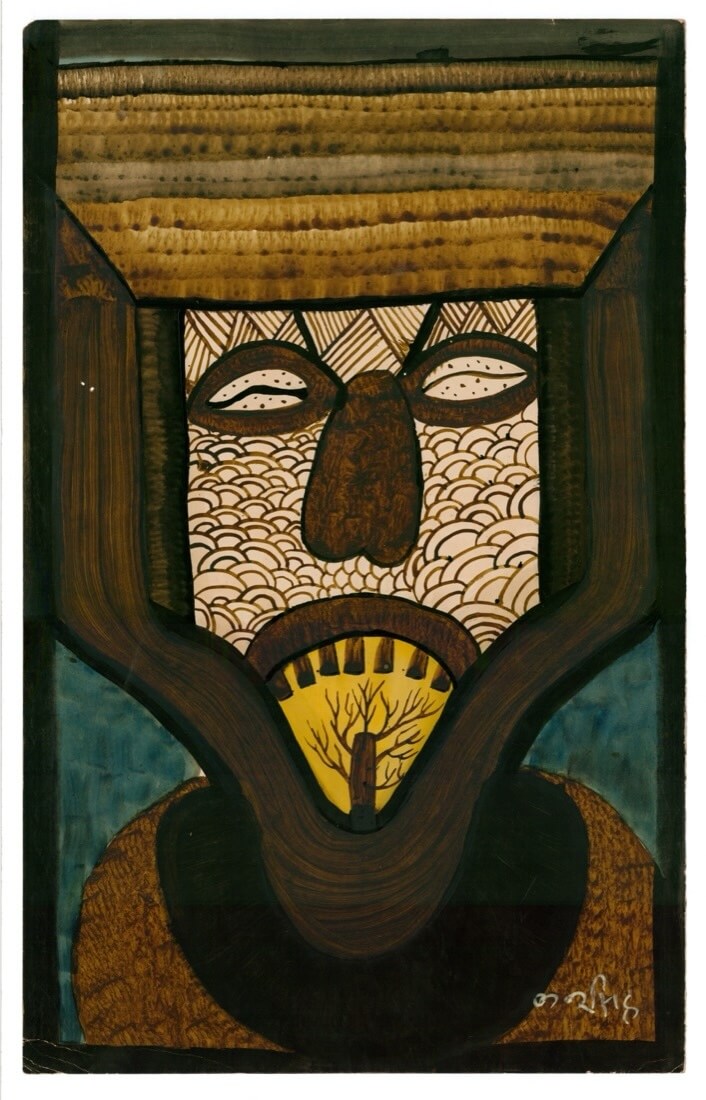
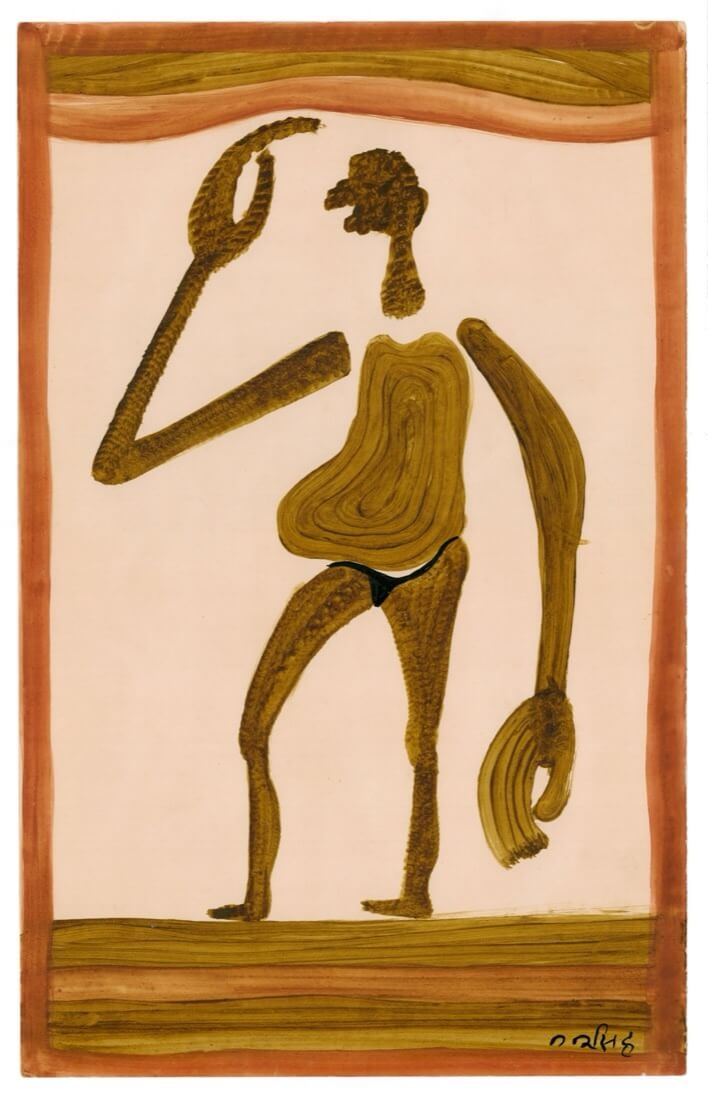
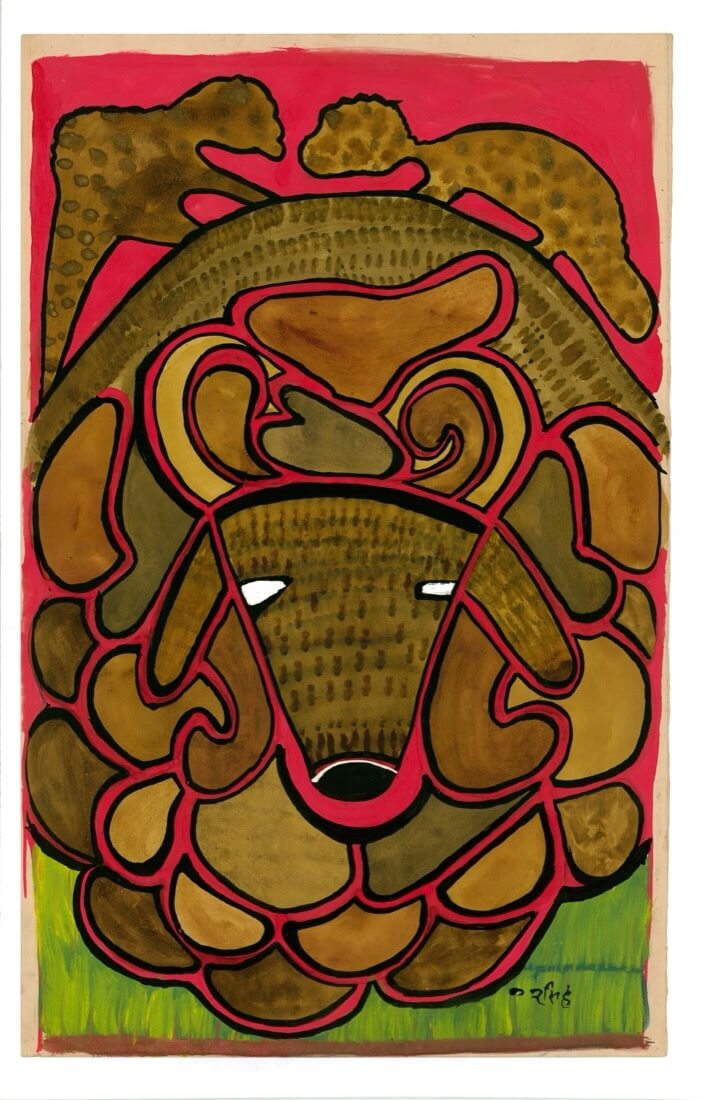
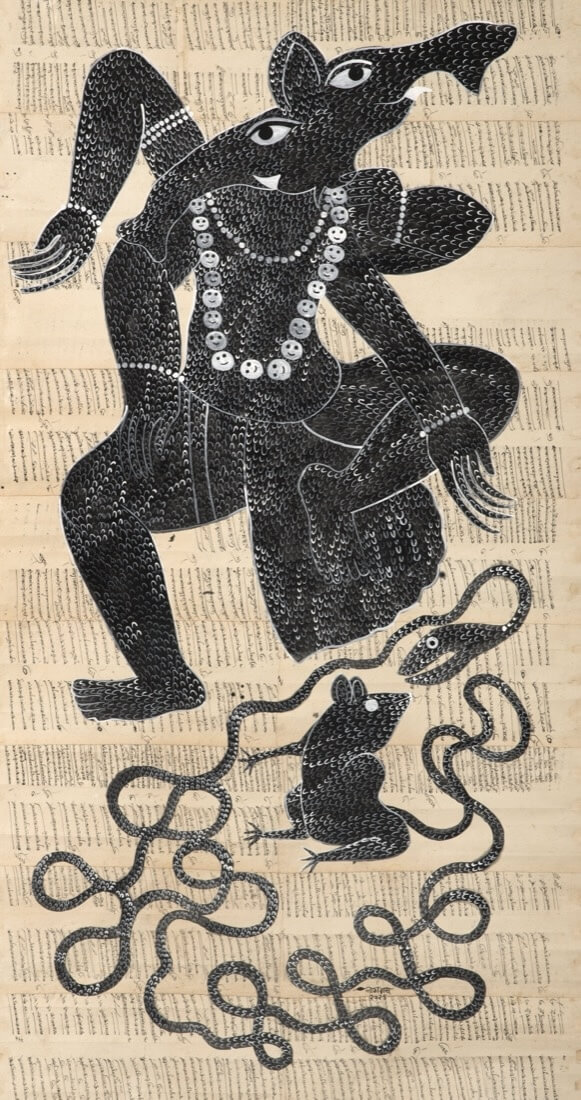
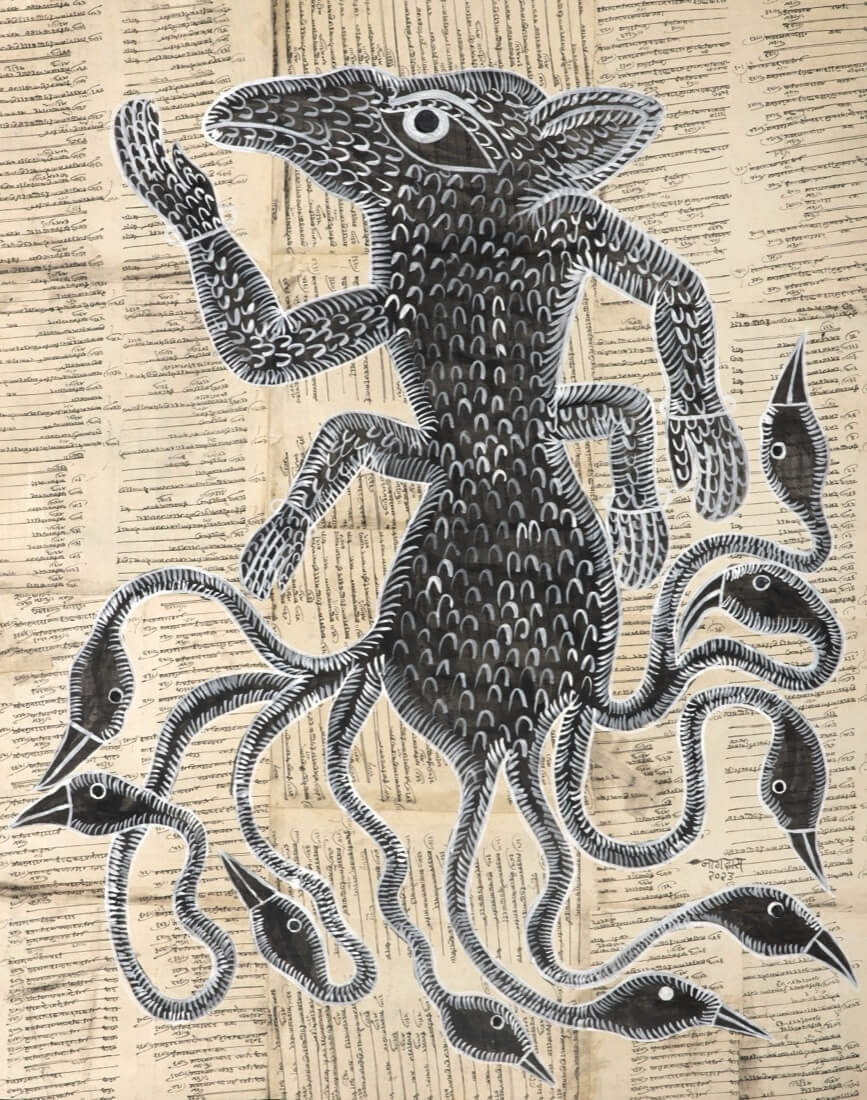
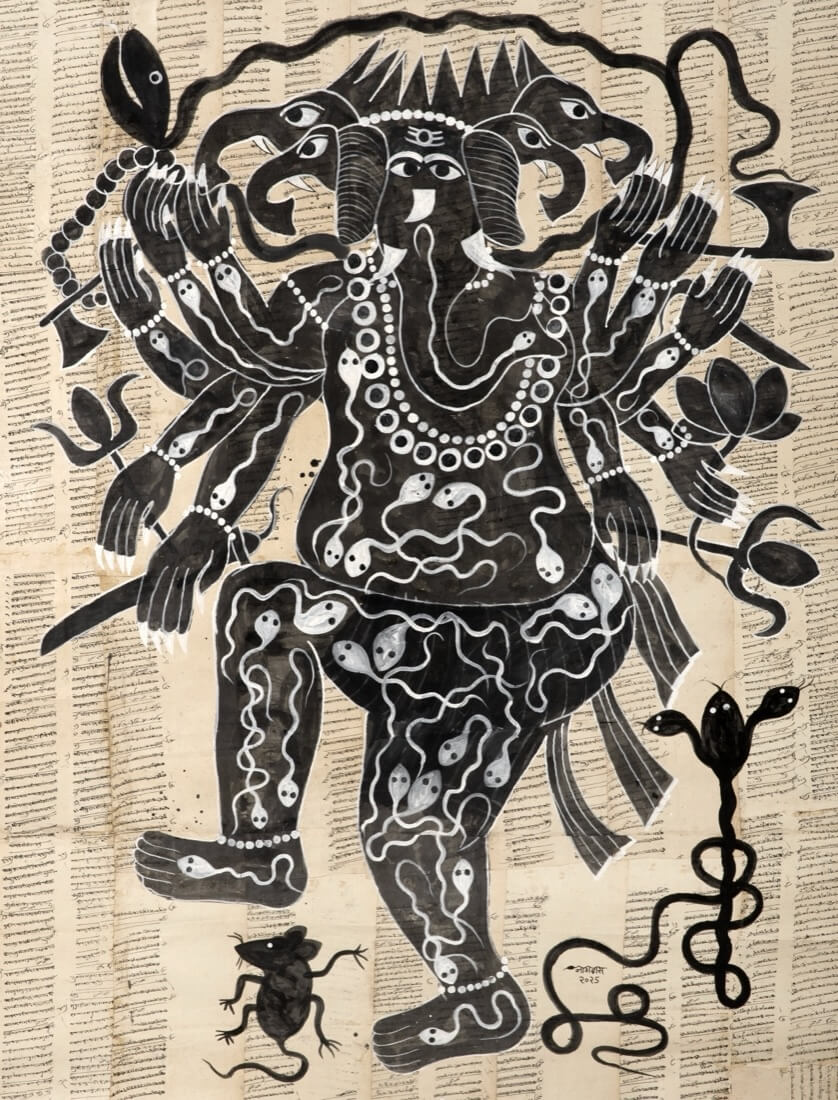
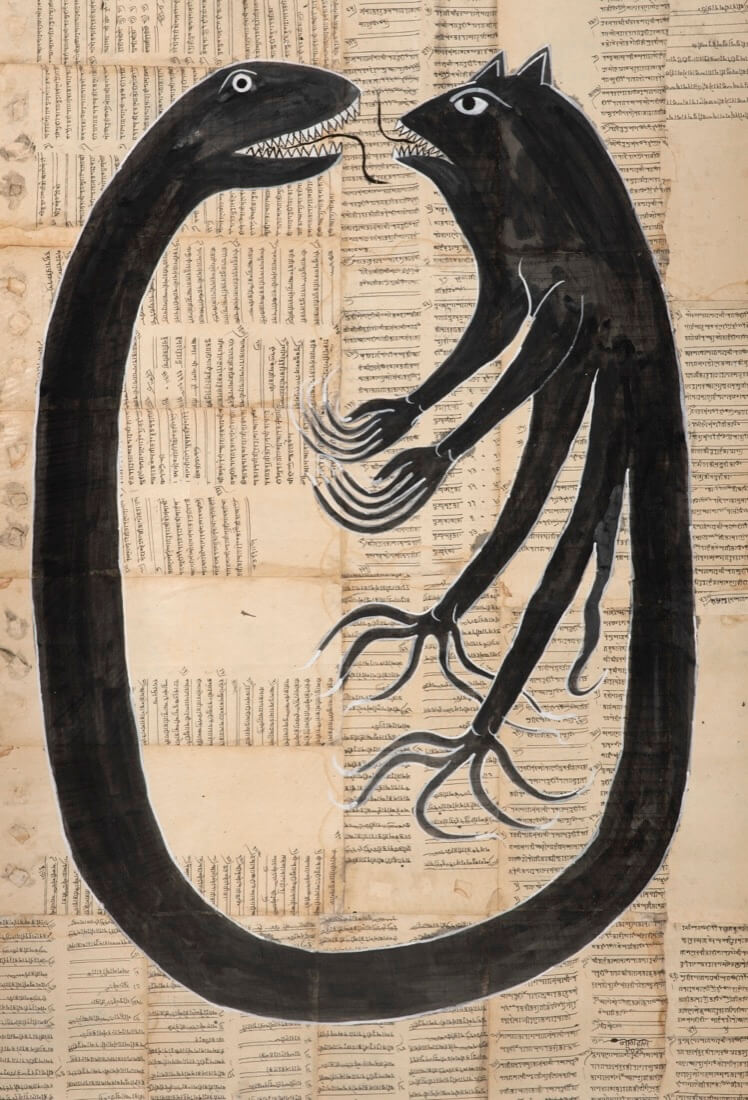
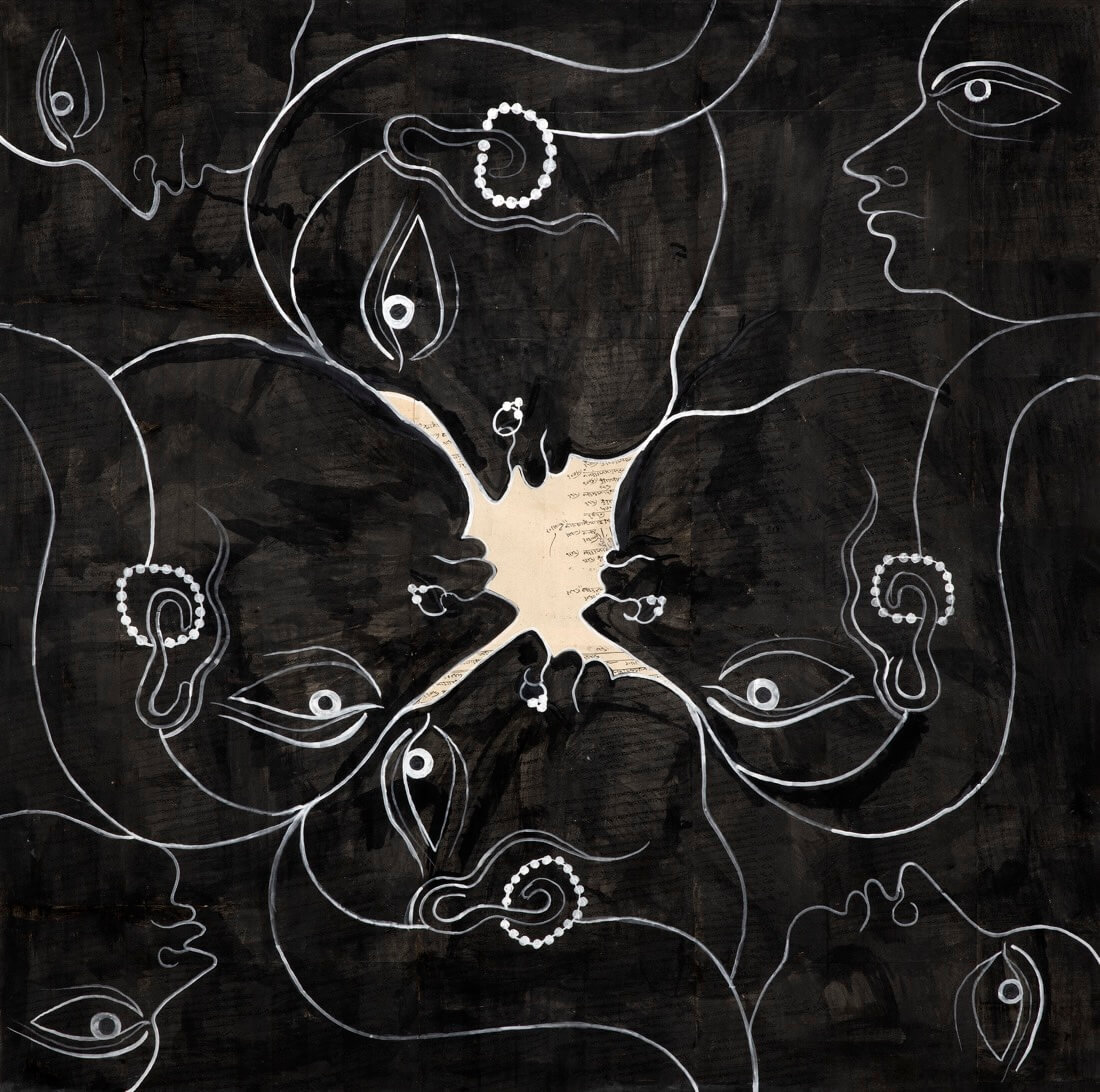
In contrast, The Jadugar of Jaipur presents the powerful black-and-white paintings of Nagdas, a young self-trained outsider artist, who channels the spirit of the ‘jadugar’ or magician in creating fantastic images drawn from his deepest imagination. His works are populated with mystical beings, hybrid forms, and rhythmic patterns that draw from folk myths, oral traditions, and visual storytelling. Using layered surfaces and meticulous detailing, Nagdas constructed a world where the real and the mythical coexist, reflecting the performative and magical dimensions of cultural memory.
While distinct in tone and approach, both exhibitions are united by a shared engagement with the protean creativity of the Pink City of Jaipur, truly a City of Artists.
Hosted across two gallery spaces at the India Habitat Centre, the exhibitions underscore a curatorial vision of The Crites Collection and the ICA Gallery -Jaipur to foreground significant artist voices and foster meaningful conversations within contemporary Indian art.
Also, both of these twin exhibitions promise a rich and immersive experience for collectors, critics, scholars, and art enthusiasts alike, offering two singular yet complementary journeys into the artistic soul of Jaipur.
About the Artists
Nannu Singh: The Enigma of Jaipur
Originally from Hathras and settled in Jaipur since 1947, Nannu Singh (1905-2005) was a self-taught visionary who was given the title of the ‘Picasso of India’ by the legendary artist and educator, Ramgopal Vijayvargiya. Singh’s work, painted on old handmade paper with stone ground and mineral pigments, is a rare bridge between folk traditions and modern abstractions. Some of the most visionary works in the exhibition are Nannu Singh’s imaginative renderings of Lord Ganesha, which reveal a lifetime of spiritual devotion through raw, intuitive brushstrokes. This ground-breaking exhibition only begins to uncover the unique depth of this remarkable artist who remains, for the time being, a puzzling enigma on many levels.
Nagdas: The Jadugar of Jaipur
Nagdas is a self-taught contemporary Indian artist, born on January 22, 1987, in Jalore, Rajasthan, whose work is defined by an intensely personal mythic imagination rather than formal academic training. Raised in a modest Rajput family, his childhood was characterized by outdoor physical play and a deep bond with his father, experiences that instilled in him a lasting sensitivity to movement and instinct. A pivotal turning point occurred when he moved to Jaipur as a teenager and encountered artists at work, an experience that unlocked his creative drive and led him to begin painting on unconventional materials like discarded textiles and old rugs. He is indeed the Jadugar (magician) of Jaipur, enabling us to partake of his transformative vision. Nagdas employs an intuitive, direct working method without preparatory sketches, focusing on the creation of “therianthropes“, hybrid beings that merge human, animal, and mythical forms, while viewing his artistic practice as a form of spiritual worship and devotion.