
By Kailash Poojary, Founder and CEO of V V. Exports Universal Pvt. Ltd. Hand embroidery plays a functional role in how luxury fashion brands define themselves. Beyond visual appeal, it signals time, labour, and skill, factors that continue to differentiate luxury from mass production in a rapidly industrialised fashion ecosystem. Many manufacturing processes have …
By Kailash Poojary, Founder and CEO of V V. Exports Universal Pvt. Ltd.
Hand embroidery plays a functional role in how luxury fashion brands define themselves. Beyond visual appeal, it signals time, labour, and skill, factors that continue to differentiate luxury from mass production in a rapidly industrialised fashion ecosystem.
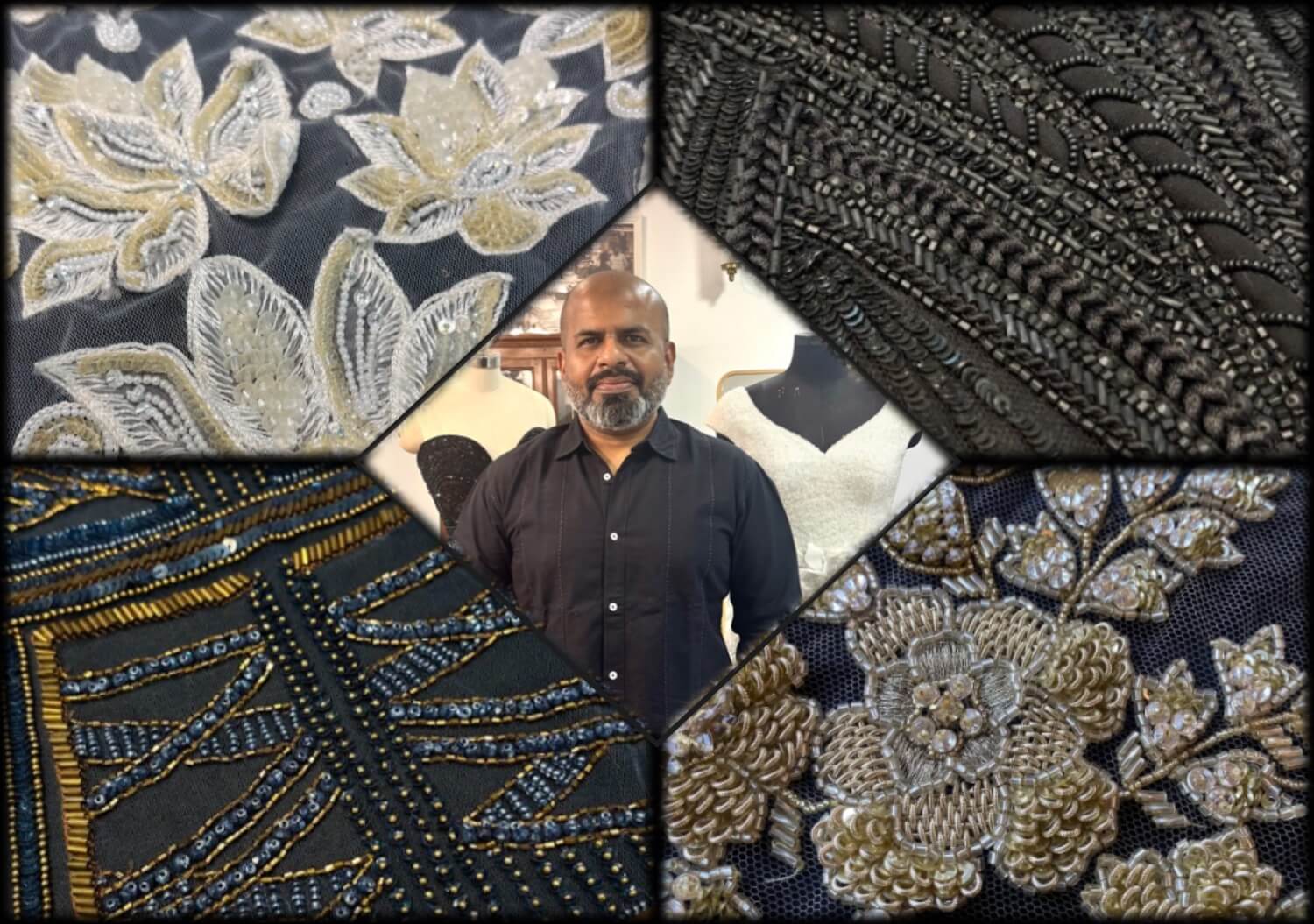
Many manufacturing processes have been updated through technology, while hand embroidery continues to rely on traditional methods. The quality of the output varies with the experience of the worker. These details can be seen in the final garment. Stitches and spacing are not uniform, and the surface texture changes slightly across pieces. In luxury production, this is not corrected during finishing. It is kept as an indicator of manual work and skilled labour, and as a clear distinction from machine-based embroidery.
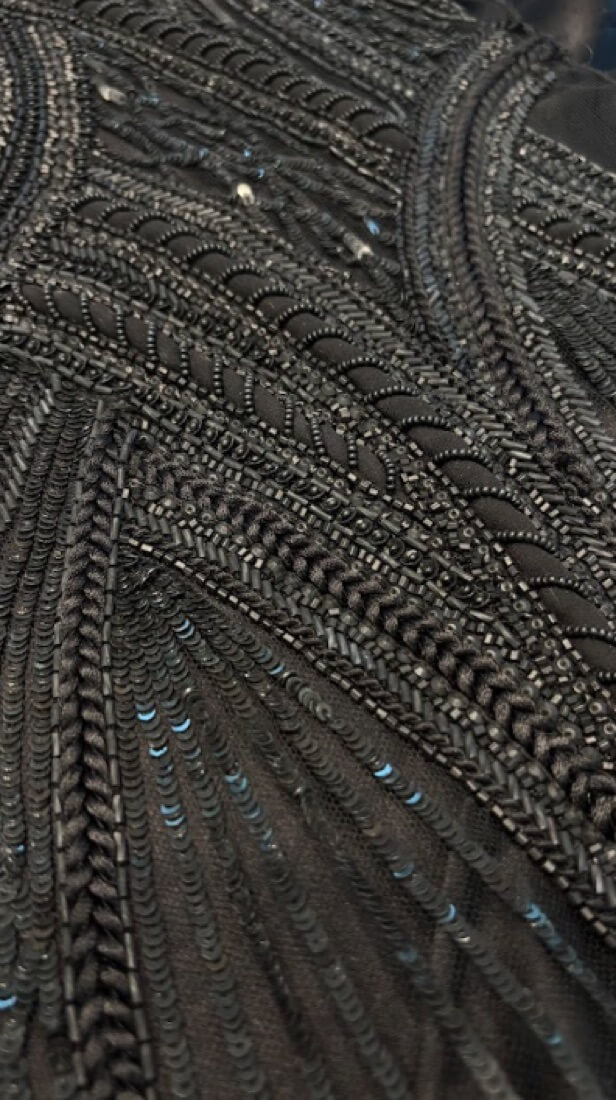
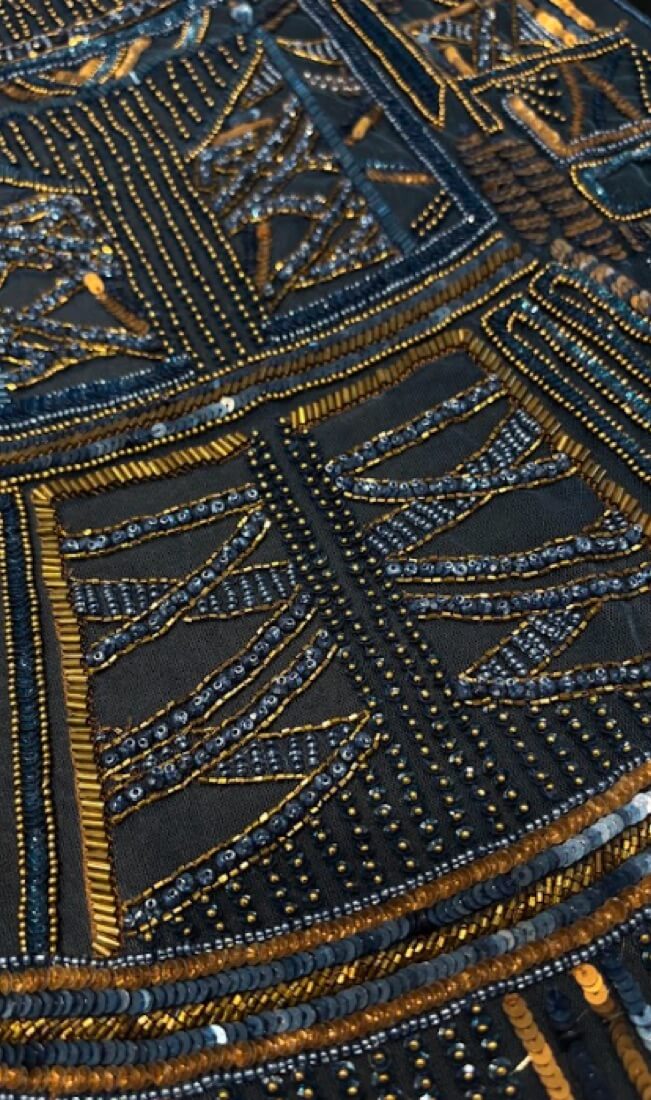
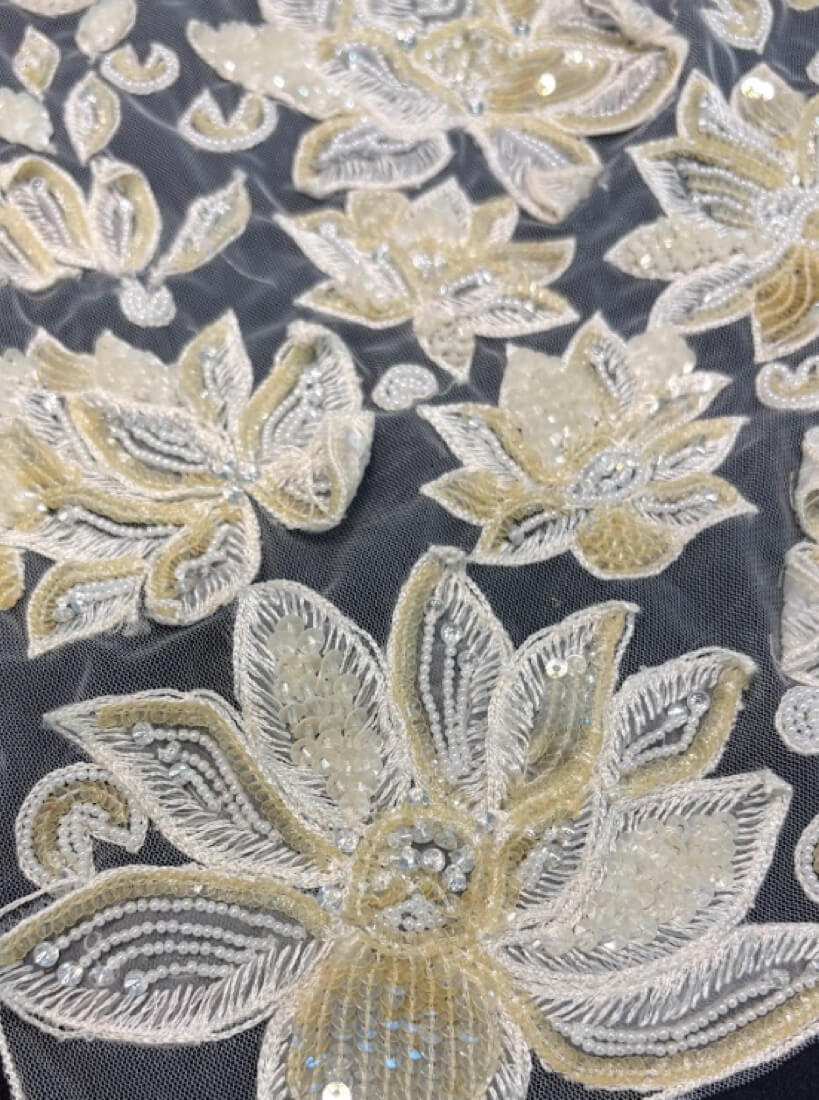
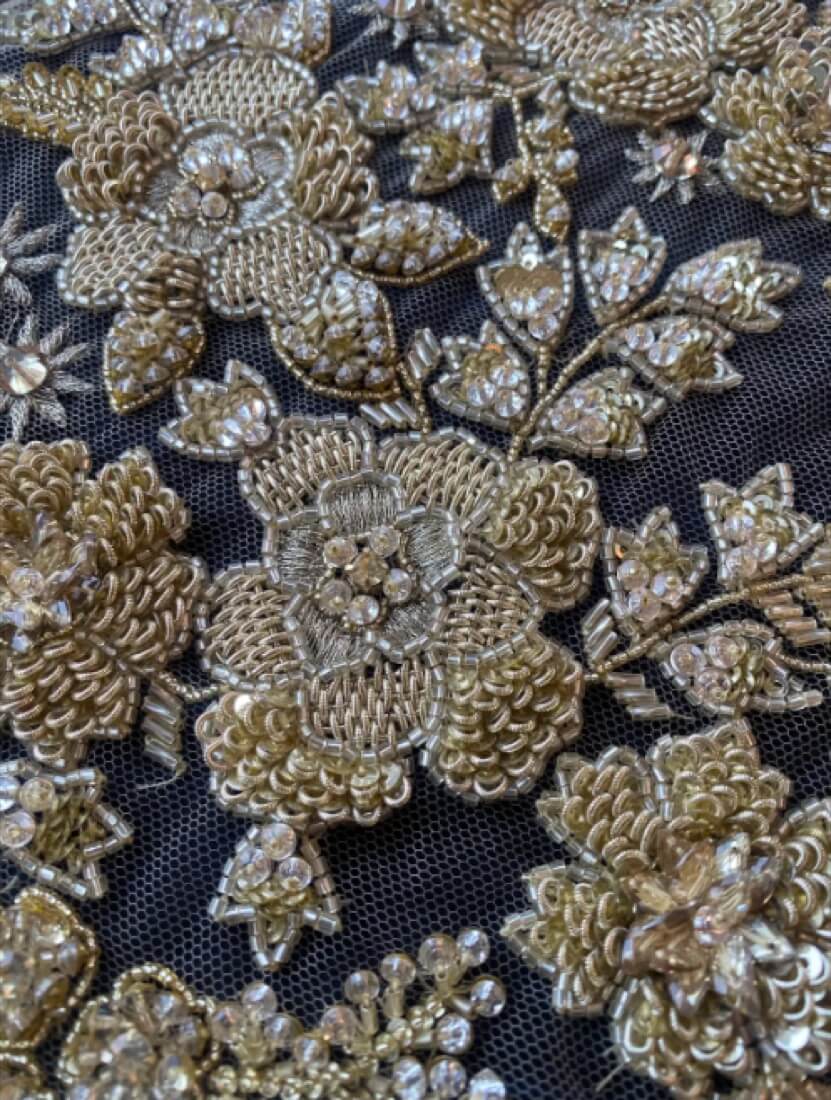
Hand embroidery is also used to reference specific design influences and production contexts. Motifs often come from ancient and local craft methods or designs, or elements found in nature. In couture, the garment reflects both the design intent and the craft method applied. Techniques such as Indian zardozi, aari work, and European hand embroidery are used to connect current collections with established craft practices.
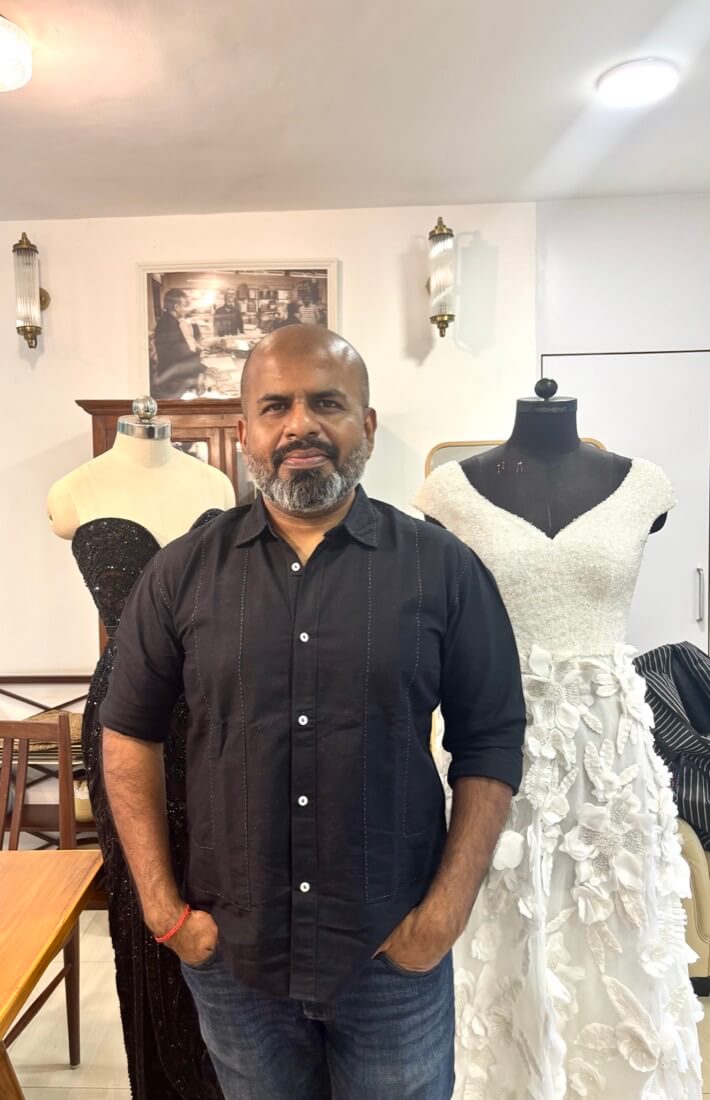
The production of embroidered garments is time-intensive. Some designs take several hundred hours to complete, depending on the level of detail involved. The amount of time spent on production affects how the garment is priced and positioned in the luxury segment.
Luxury brands continue to use hand embroidery as part of their positioning strategy. By combining traditional processes with modern design, brands maintain continuity while adapting to current markets. Within luxury fashion, value is defined by process, skill, and time investment rather than production speed.