
About the Book For decades, writing on Dalit women has been shaped by two dominant frameworks: structural analysis and narratives of suffering or resilience. While these remain important, they often leave out the textures of everyday life, how Dalit women experience desire, navigate relationships, negotiate faith, or make meaning of their own identities. Dalit Women …
About the Book
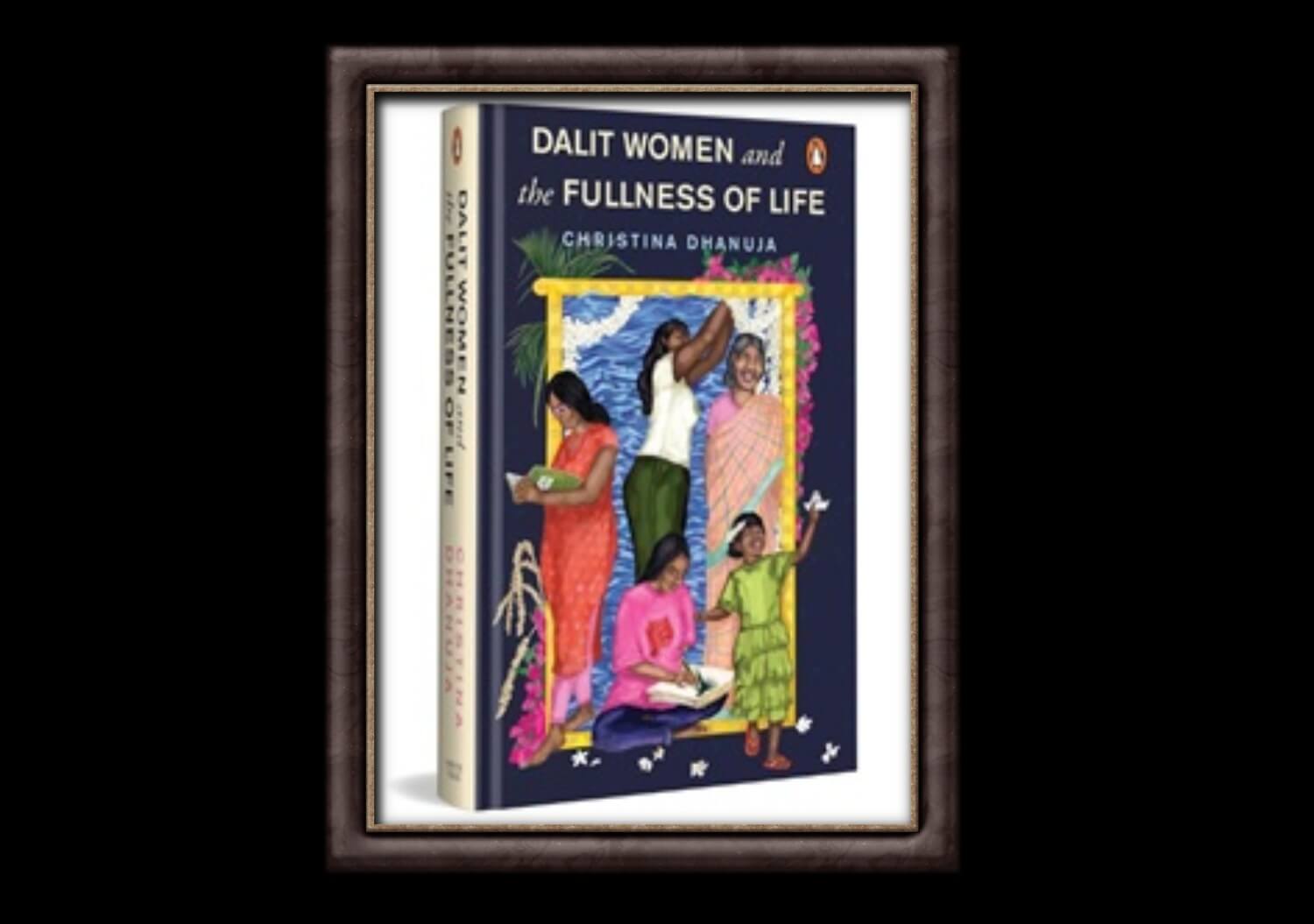
For decades, writing on Dalit women has been shaped by two dominant frameworks: structural analysis and narratives of suffering or resilience. While these remain important, they often leave out the textures of everyday life, how Dalit women experience desire, navigate relationships, negotiate faith, or make meaning of their own identities.
Dalit Women and the Fullness of Life addresses this gap.
Through ten interconnected chapters—Identity, Movements, Work, Community, Sisterhood, Body, Desire, Trauma, Faith, and Joy, Christina Dhanuja builds a layered account of lived experience. Rather than presenting a singular narrative, the book maps multiple, sometimes contradictory realities: strength alongside fragility, solidarity alongside isolation, faith alongside doubt.
A significant part of the book examines how caste is internalised, how it shapes not only access and opportunity, but also self-worth, emotional responses, and interpersonal dynamics. It traces how systemic inequalities manifest in everyday decisions: whom to trust, how to belong, what to aspire to.
The book also engages with areas that remain underrepresented in mainstream discourse, including Dalit Christian experiences and the role of religion in shaping identity and community. By doing so, it expands the scope of caste conversations beyond familiar frameworks.
At its core, this is a work that combines personal narrative with critical inquiry, using memoir not as confession, but as a method to understand larger structures. It seeks to create space for conversations that have historically been overlooked, and to document lives beyond their most visible struggles.
 Why This Book Matters
- Expanding Dalit Narratives
Moves beyond dominant representations centred on violence and resilience to include everyday lived experiences across identity, relationships, and selfhood. - Documenting the Interior Life
Engages with aspects rarely addressed in discourse, desire, intimacy, contradiction, emotional complexity, and joy. - Faith and Identity
Explores the intersection of caste and religion, particularly within Dalit Christian contexts, an area often absent from mainstream conversations. - Memoir as Inquiry
Combines personal experience with social analysis to examine how structural realities shape individual lives. - Caste as Lived Reality
Traces how caste operates internally, through self-perception, relationships, and everyday decision-making, not just external systems.
About the Author
Christina Dhanuja is a writer whose work engages with caste, gender, faith, and identity. Her writing has appeared across media platforms and has contributed to ongoing conversations around representation, intersectionality, and lived experience.
Dalit Women and the Fullness of Life is her first book, developed over several years following an article she wrote in 2020.