
Mumbai, 03 July 2026 – Giftex presents Shared Ground: Forms of Belonging, a solo exhibition by celebrated sculptor G. Reghu, from 7-10 July 2026 at the ICIA Gallery, Kalaghoda. The exhibition will bring together 36 ceramic stoneware sculptures created between 2021 and 2024 at the artist's Bhopal studio. Marking Reghu's first exhibition in Mumbai in …
Mumbai, 03 July 2026 – Giftex presents Shared Ground: Forms of Belonging, a solo exhibition by celebrated sculptor G. Reghu, from 7-10 July 2026 at the ICIA Gallery, Kalaghoda. The exhibition will bring together 36 ceramic stoneware sculptures created between 2021 and 2024 at the artist’s Bhopal studio. Marking Reghu’s first exhibition in Mumbai in 5 years, the exhibition offers an intimate exploration of humanity’s enduring relationship with nature, memory and the earth through a body of work shaped by over four decades of artistic practice.
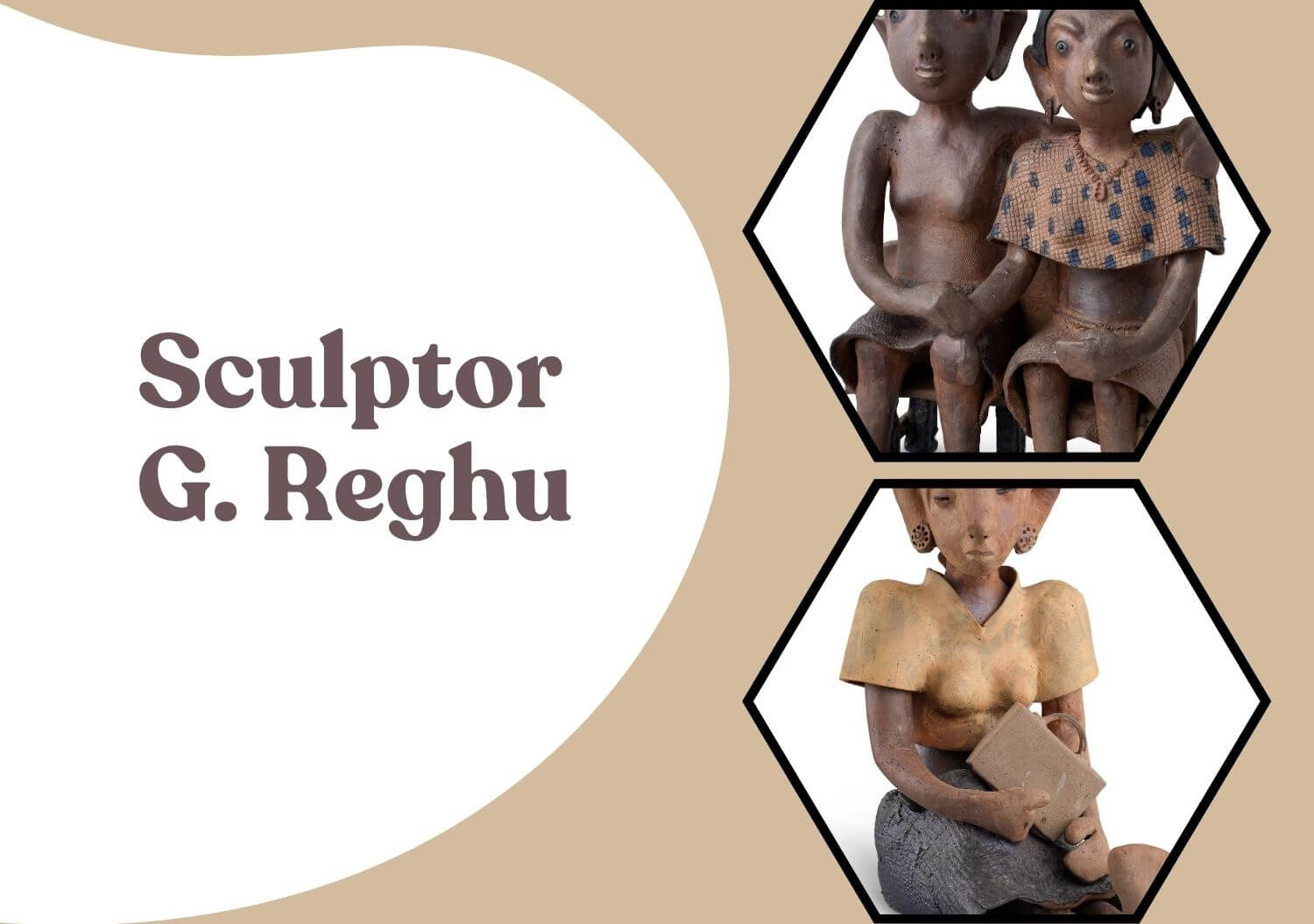
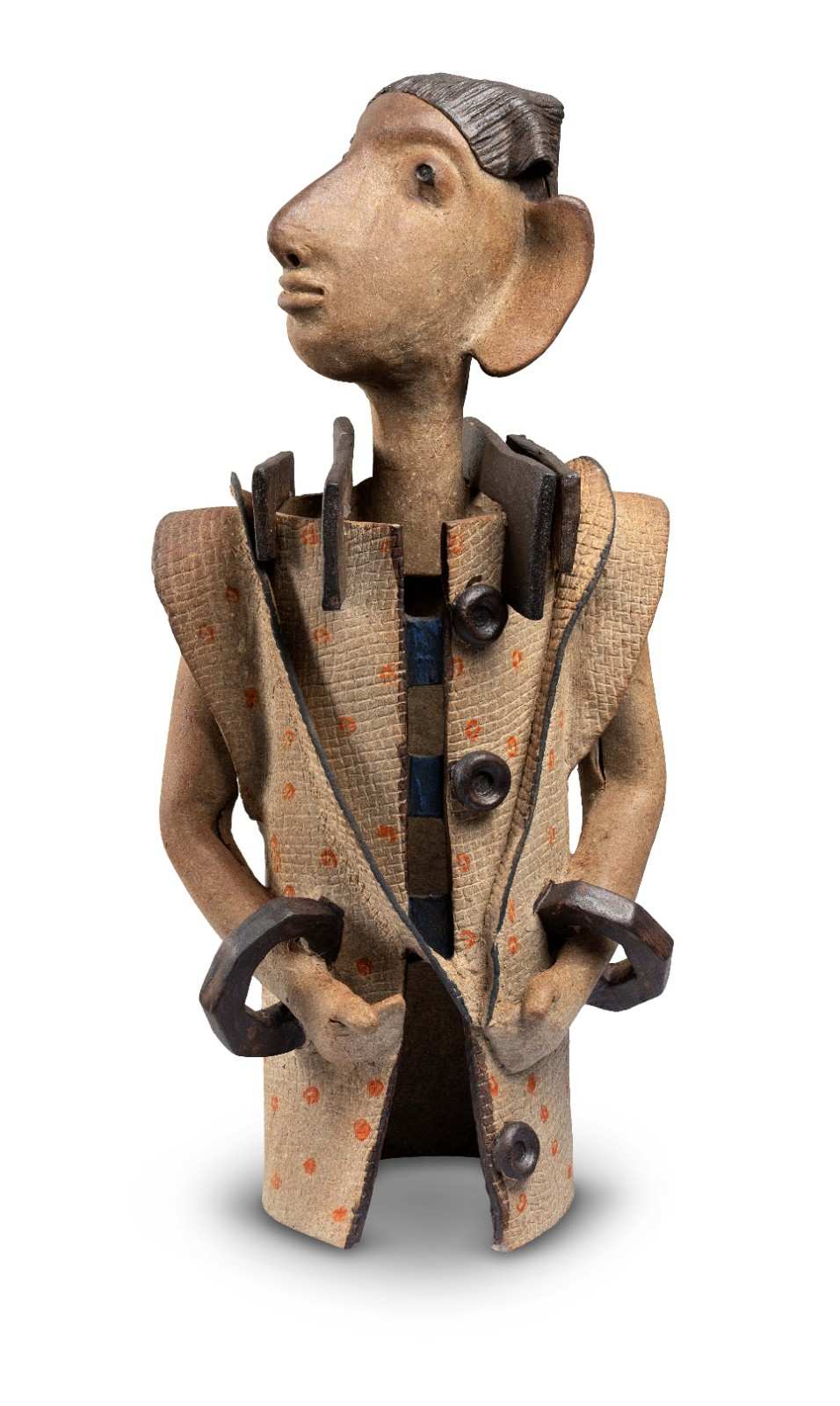
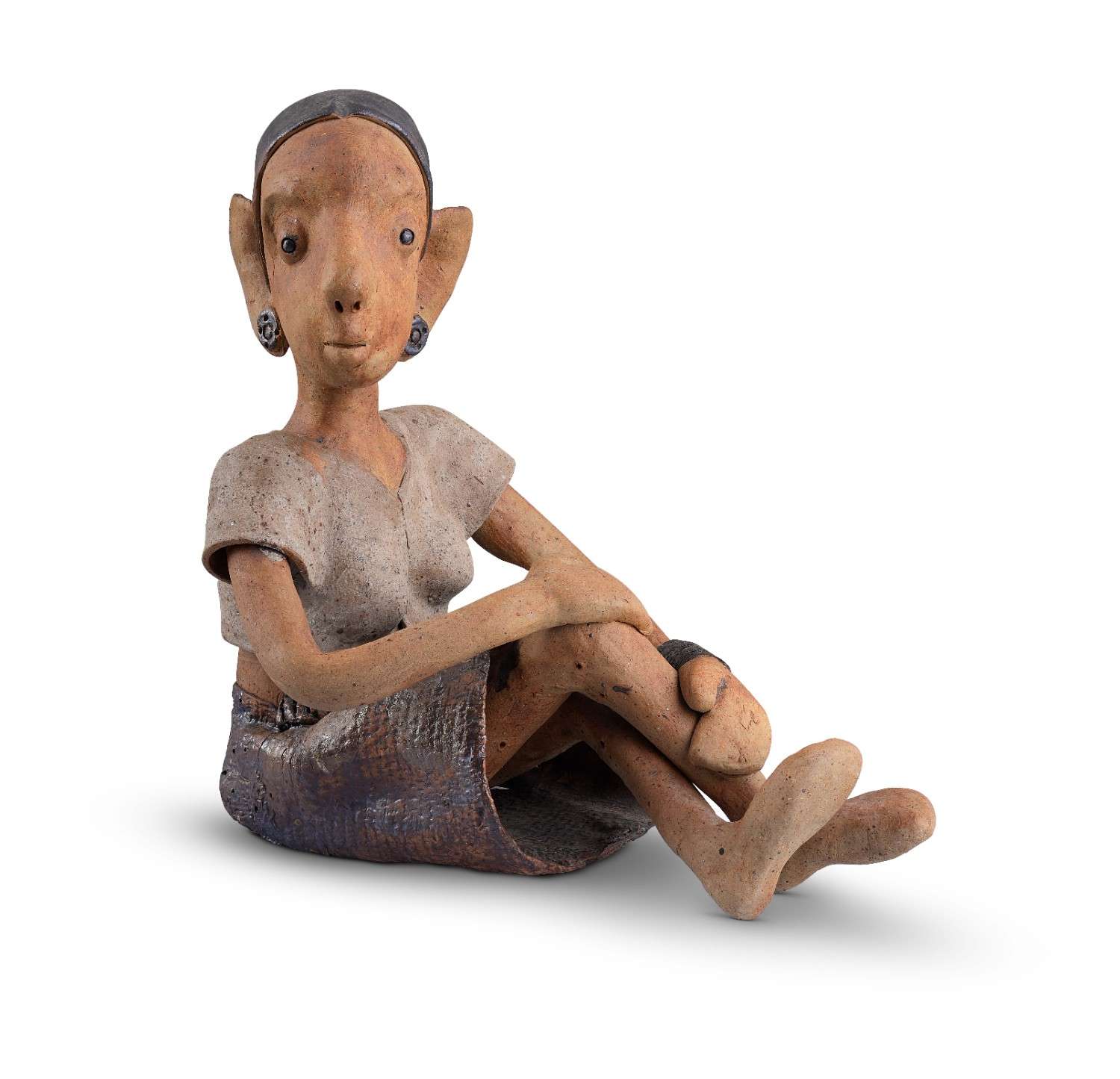
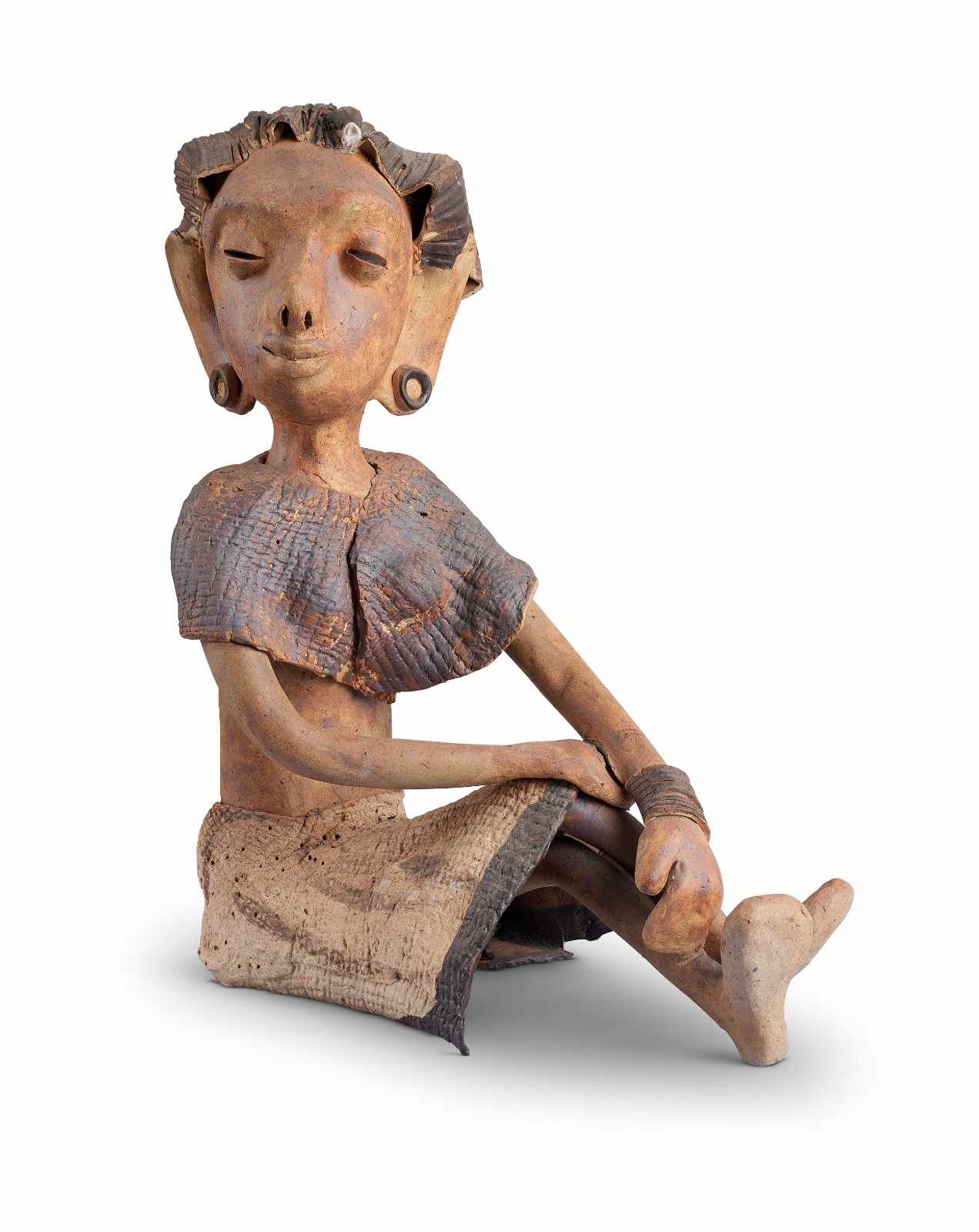
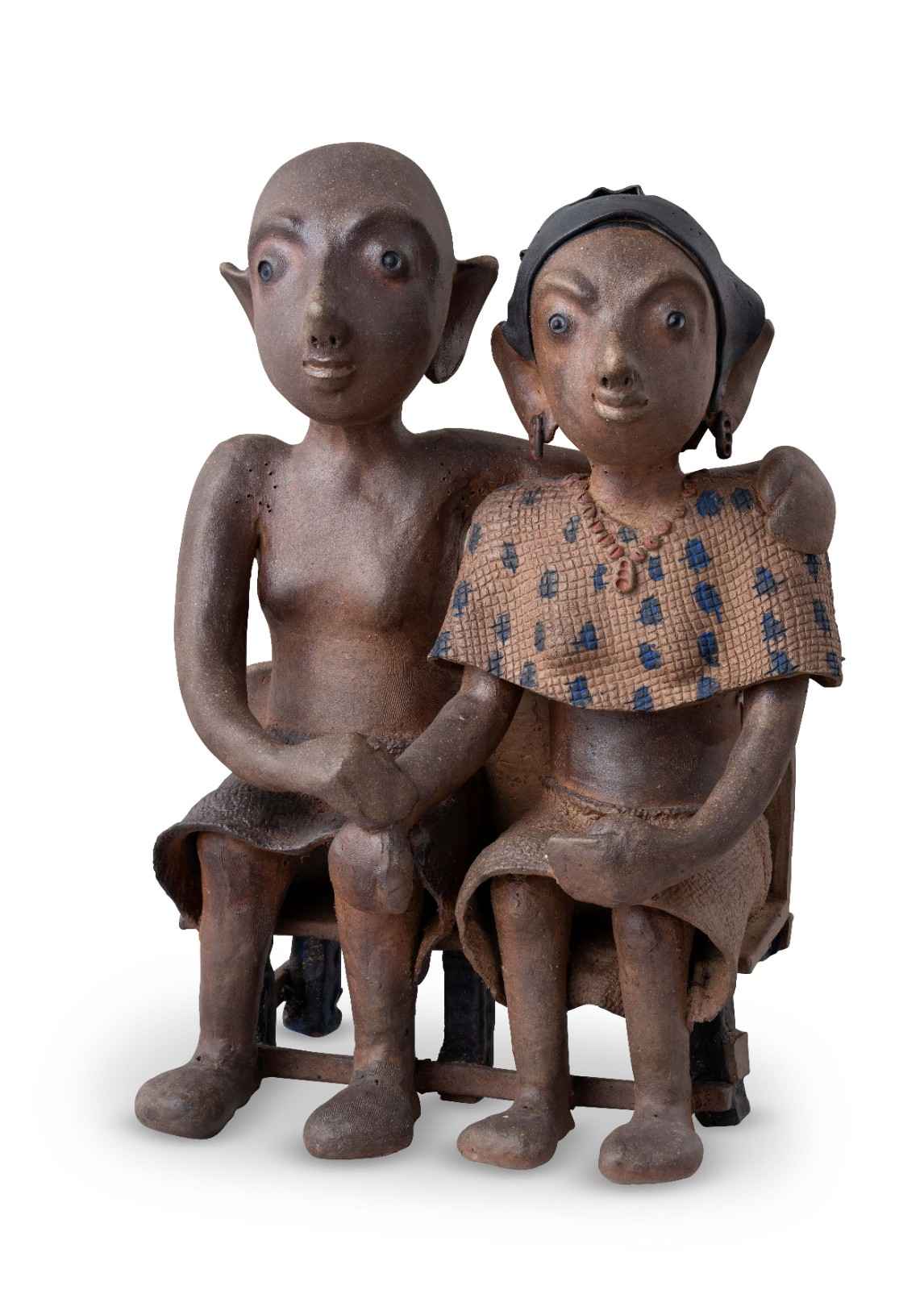
Working primarily with clay, Reghu creates quiet, contemplative sculptures that resist spectacle in favour of deeply human encounters. His figures—seated, crouching, resting or gently leaning into the earth—occupy a space between abstraction and figuration, evoking the understated rhythms of rural life. Rendered in muted organic tones with richly textured matte surfaces, the sculptures embody humility, stillness and an enduring connection to the land.
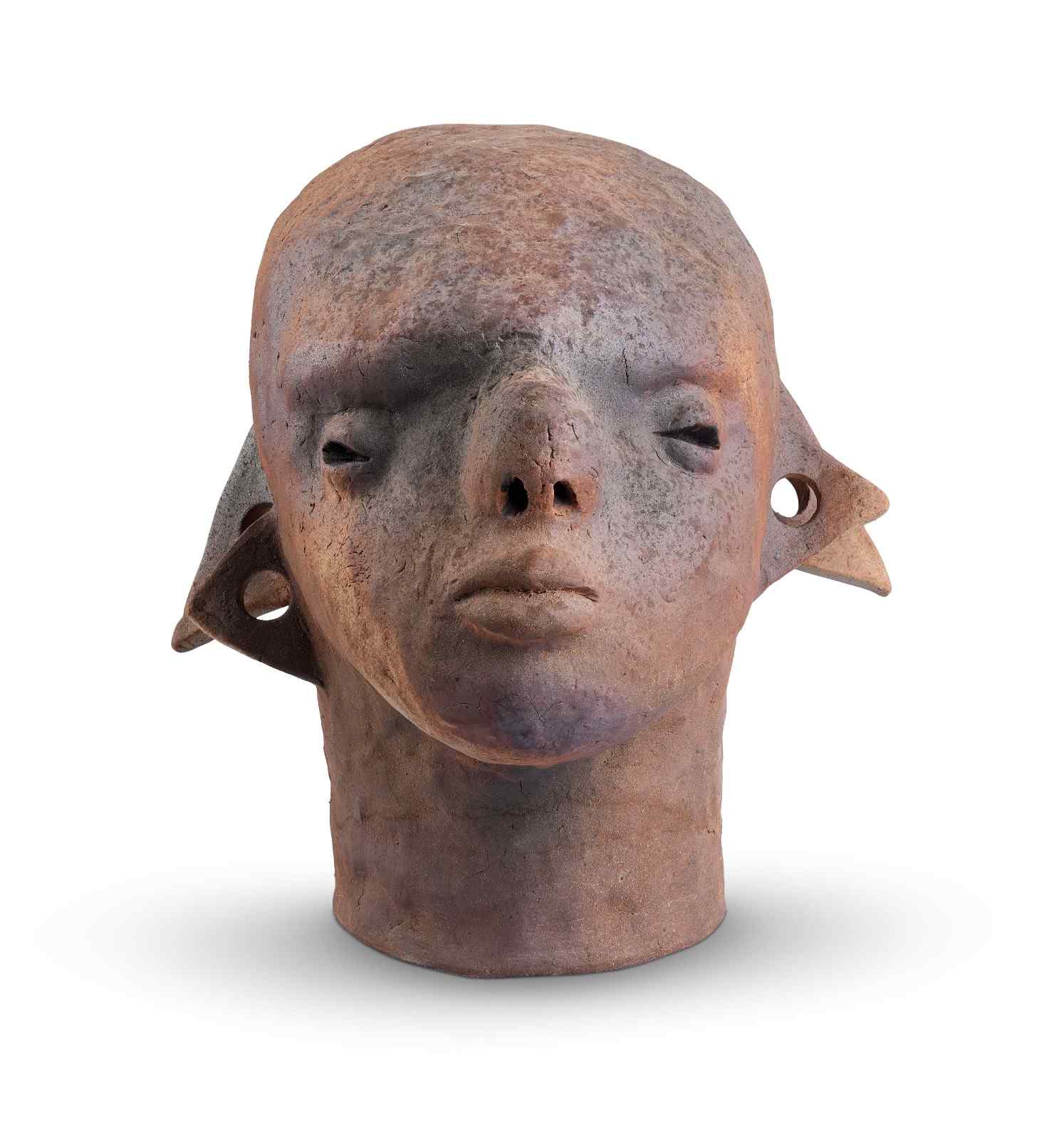
The exhibition’s title Shared Ground: Forms of Belonging reflects that human beings are inseparable from the earth that shapes and sustains them. For Reghu, clay is more than a medium; it is an extension of human existence. His sculptures emerge through an intuitive dialogue with the material, carrying visible traces of touch, smoke, ash and fire that celebrate the honesty of the making process.
Commenting on the exhibition, Siddharth Sivakumar, Director, Curation & Artist Relations at ICIA Gallery said, “While contemporary Indian sculpture has expanded into monumentality, installation, and material experimentation, G. Reghu has remained committed to the human form. His works are disarmingly quiet and deeply vulnerable. Through the slightest shifts in expression and posture, they carry with them an entire world. The exhibition invites us to slow down, embrace quieter ways of being, and reconnect with the earth.”
Rather than assigning titles to the works, Reghu deliberately leaves each sculpture unnamed, inviting viewers to engage with them without predetermined narratives or interpretations.
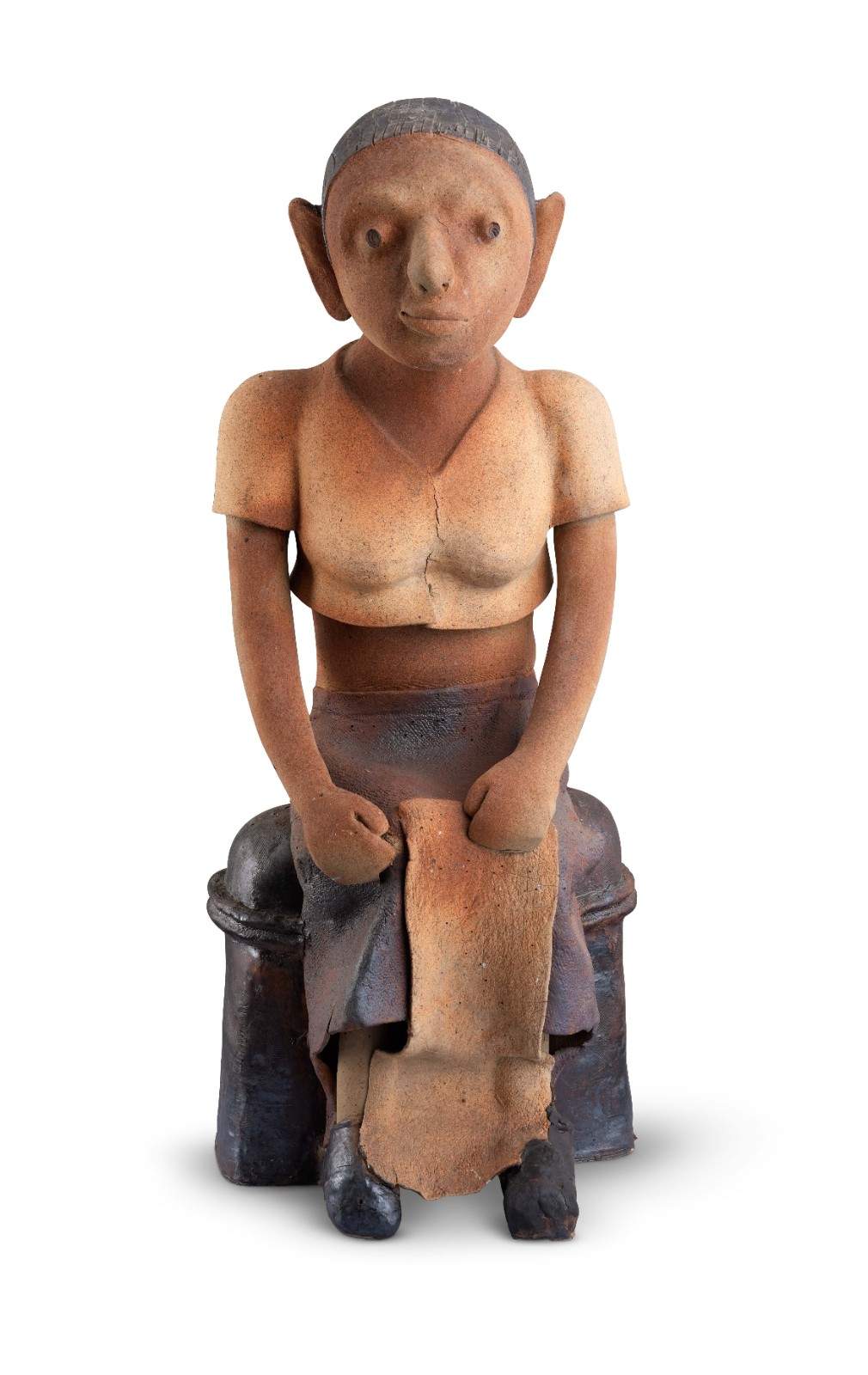
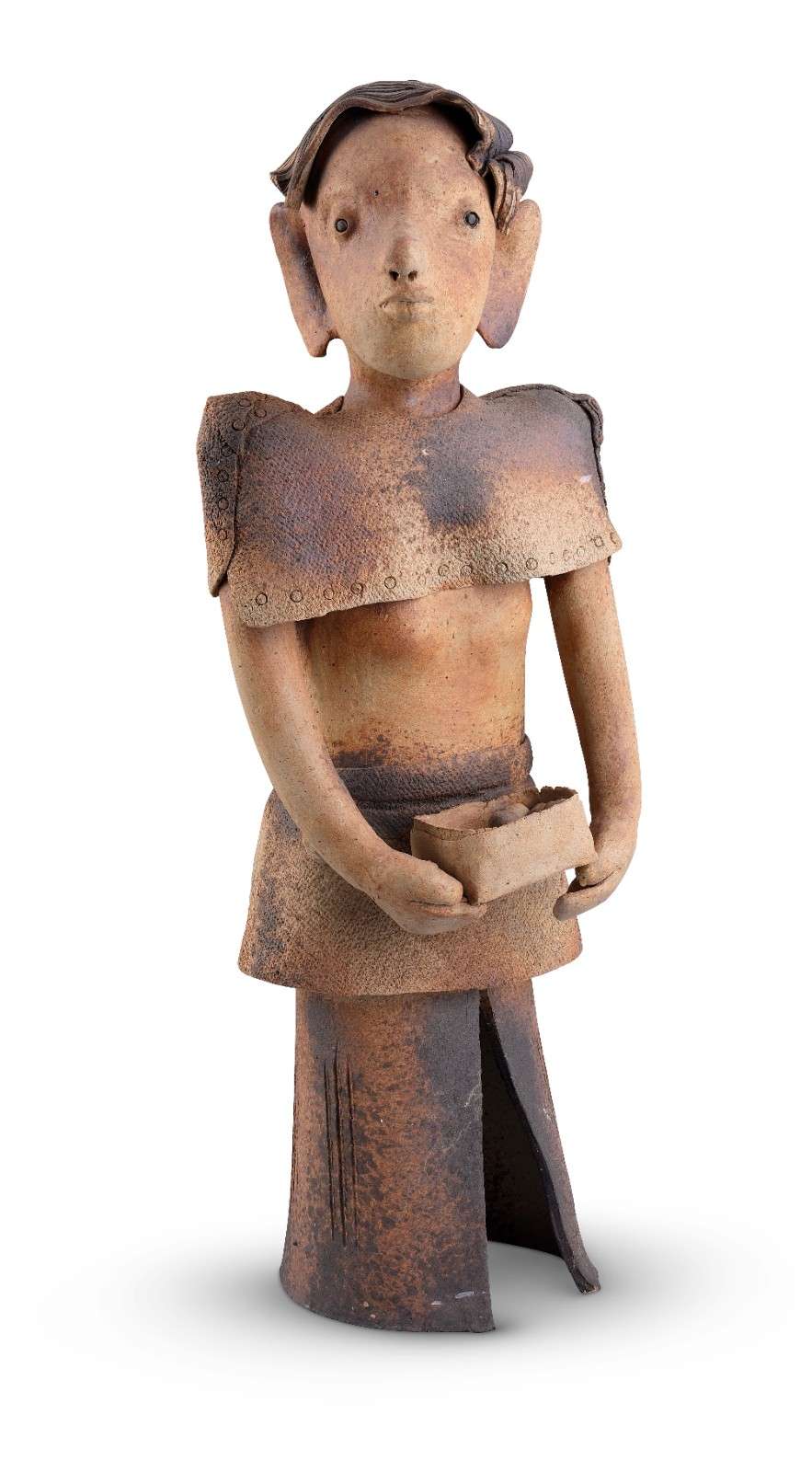
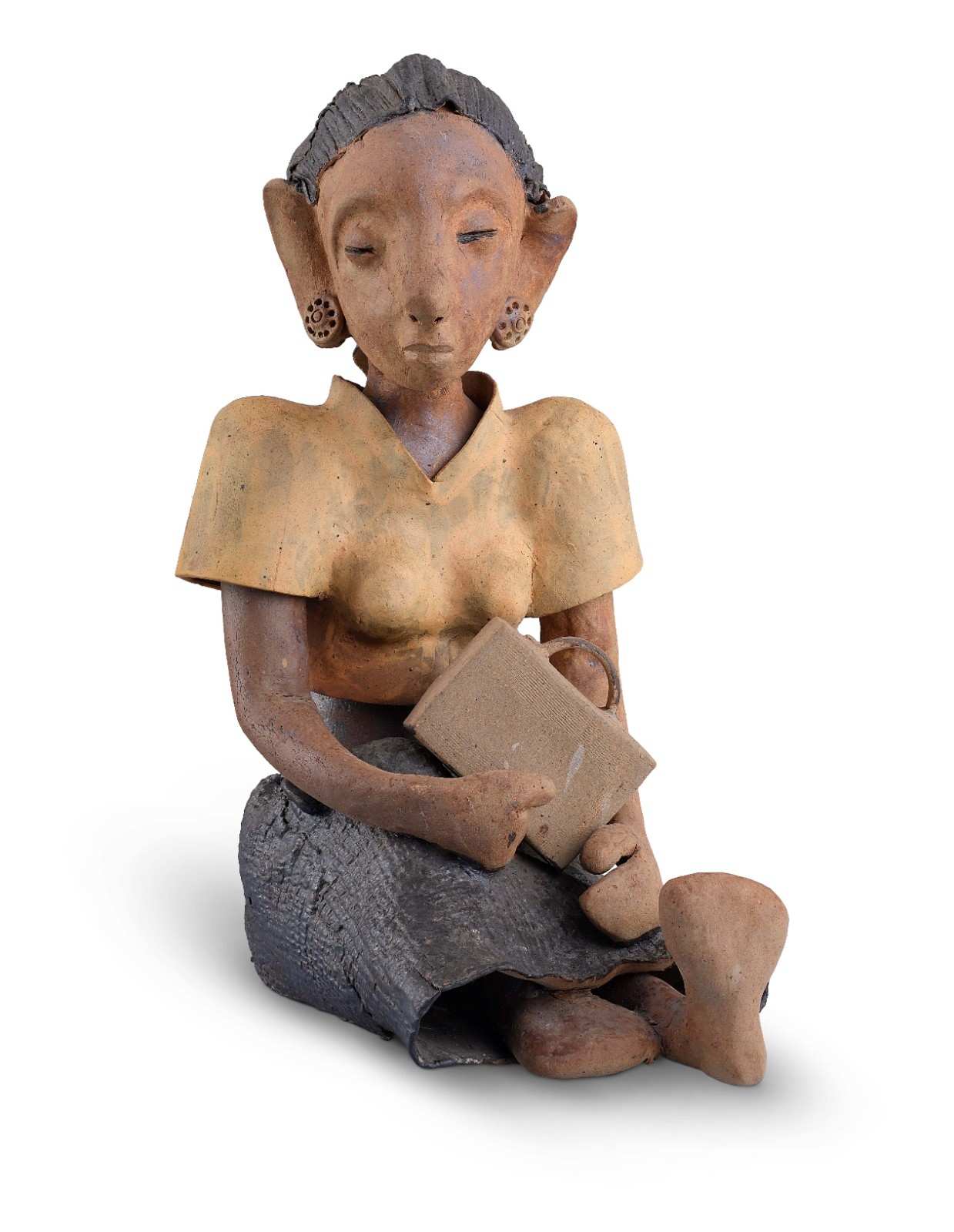
About his upcoming exhibition, artist G Reghu says, “To be human is to experience a full range of emotions such as joy, sadness, humour, silence, and stillness. Each of these is equally important. In my sculptures, I try to bring these feelings together. The figures may appear calm or simple, but they carry many emotions within them. I believe it is this spectrum of emotions that makes us truly human.”
Over the course of his career, Reghu has spent significant time in the rural regions of Wayanad in Kerala and Bastar in Chhattisgarh, experiences that have profoundly informed his visual language. His time with the indigenous communities also deepened his understanding of humanity’s interconnectedness with nature, particularly as ecosystems face growing exploitation. The elongated ears, stylised hairstyles and simplified facial features found throughout his work are inspired by the people and cultures of these regions.
Rather than functioning as ethnographic representations, however, the sculptures remain open-ended reflections on human presence, memory and belonging.
Influenced by Gandhian philosophy and the architectural principles of Laurie Baker, Reghu embraces locally sourced materials and traditional firing techniques. Each sculpture is wood-fired at temperatures between 1,250 and 1,280 degrees centigrade using natural oxides instead of chemical finishes, producing distinctive earthy surfaces that preserve the integrity of the clay and reveal the unpredictability of the kiln.
His practice has been shaped by several defining influences, including architects Laurie and Elizabeth Baker, as well as artist J. Swaminathan, under whose mentorship at Bharat Bhavan he developed the sculptural language that has come to define his work. His sculptures continue to reflect an enduring belief in simplicity, material honesty and the quiet dignity of everyday life.
Shared Ground: Forms of Belonging invites audiences to slow down and encounter sculpture through intuition rather than explanation. In doing so, the exhibition offers a deeply personal yet universal meditation on our relationship with the earth, the body and one another.
Exhibition Details
- Exhibition: Shared Ground: Forms of Belonging by G. Reghu
- Venue: ICIA Gallery, Kalaghoda, Mumbai
- Dates: 7 – 10 July 2026
- Timings: 11 am to 7 pm
About the Artist
G. Reghu is a prominent Indian sculptor from Kilimanoor, Kerala, celebrated for his ceramic and terracotta sculptures inspired by rural life, indigenous traditions, and the natural environment. Trained at the College of Fine Arts, Thiruvananthapuram, his practice was shaped by the philosophies of Elizabeth and Laurie Baker and further influenced by artist J. Swaminathan during his time at Bharat Bhavan, Bhopal, where he developed his distinctive sculptural language. Working primarily with clay and terracotta, Reghu creates expressive figurative forms using traditional hand-building techniques. Since 1988, he has exhibited extensively in India and internationally, including in Germany, Egypt, Mumbai, and New Delhi, and has received several honours, including awards from Bharat Bhavan and the Bombay Art Society.