
When the Past Informs Instead of Imitating What if heritage were something to consider rather than something to imitate? And what if its most important lessons were never meant to be seen, but lived? All too frequently, modern architecture borrows from the past by imitating its surface, meaningless ornamentation, and arches without context. The end …
When the Past Informs Instead of Imitating
What if heritage were something to consider rather than something to imitate?
And what if its most important lessons were never meant to be seen, but lived?
All too frequently, modern architecture borrows from the past by imitating its surface, meaningless ornamentation, and arches without context. The end product is pastiche, familiar but empty. The true difficulty lies in extracting principles rather than patterns.
We typically use monuments, opulent palaces, temples, and forts that honour privilege and power to define heritage. However, this lens is not complete. It describes the lives of a select few rather than the majority. Even though the homes, streets, and vernacular settlements of the “forgotten many” contain deeper, more pertinent intelligence, they are still mainly invisible.
Therefore, heritage is a storehouse of knowledge rather than a list of forms. Traditional and vernacular architecture incorporates material logic, spatial hierarchy, climate responsiveness, and culture. A courtyard serves as a social anchor and passive cooling mechanism in addition to being an aesthetic addition. A shaded threshold is performative rather than symbolic. These are systems to reinterpret rather than styles to imitate.
Meaningful continuity starts at this point. Architecture must act as a mediator between local specificity and global modernity, as Kenneth Frampton argues. In a similar vein, Paul Oliver reminds us that vernacular architecture is constructed to satisfy needs rather than to impress, while Juhani Pallasmaa prioritises experience and memory over visual imitation.
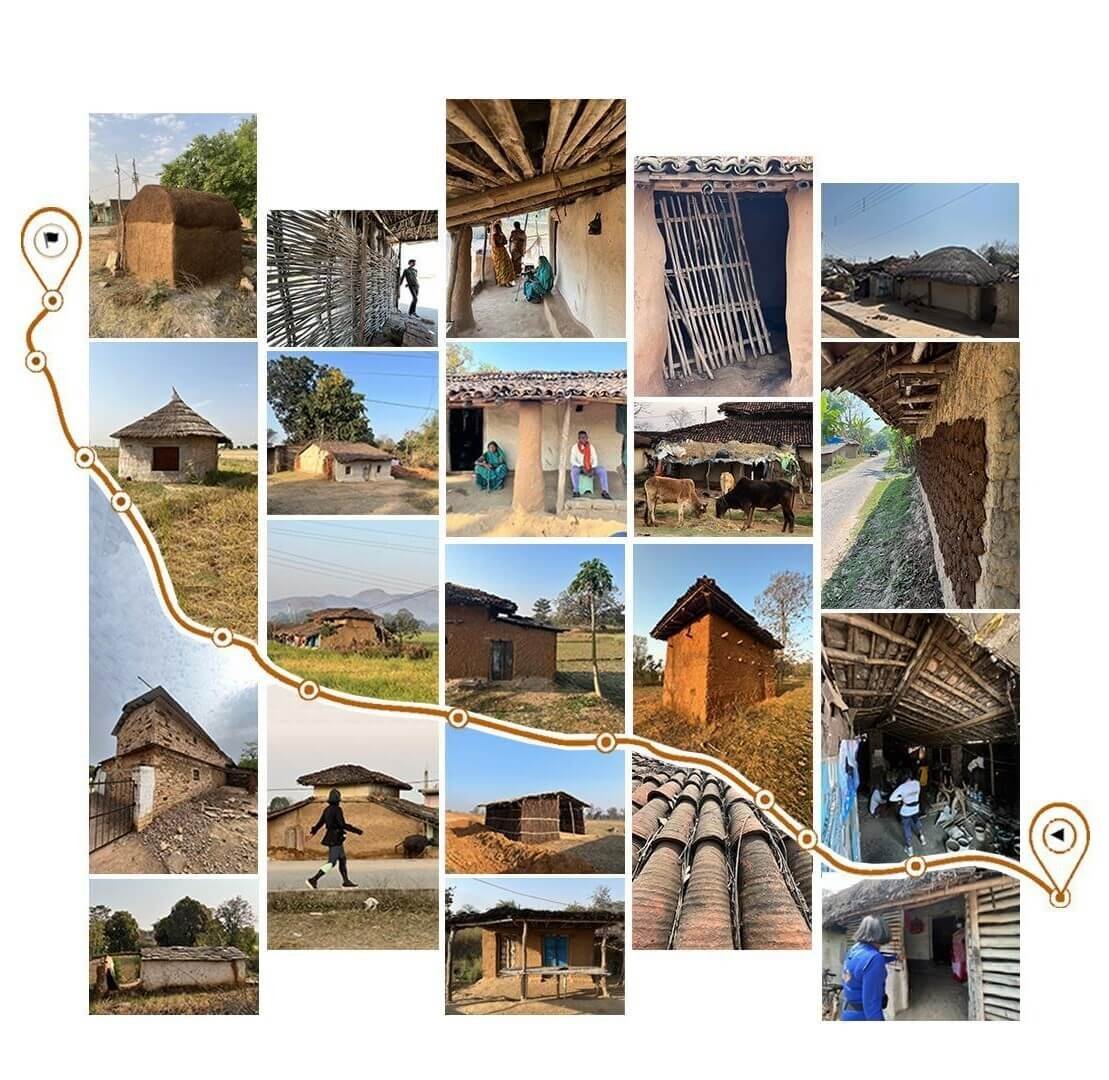
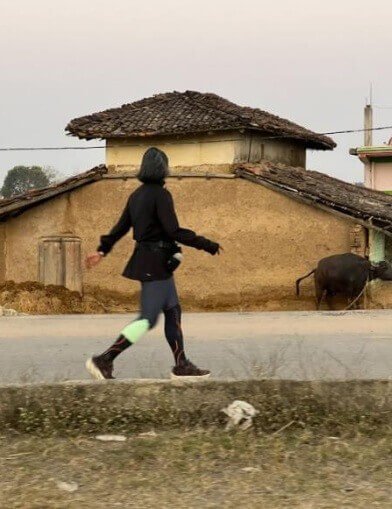
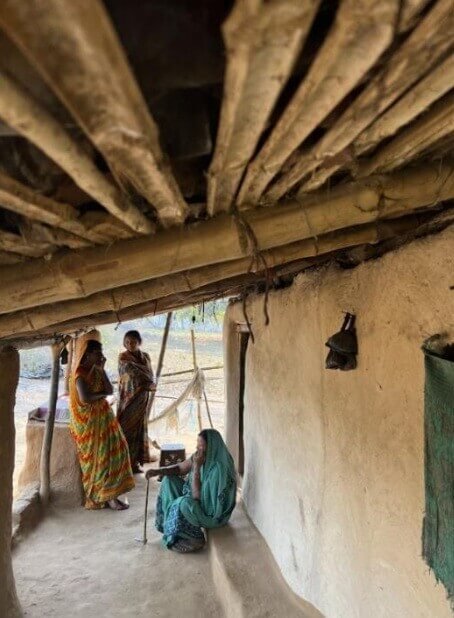

To design without pastiche, we must shift focus from what is celebrated to what is sustained. As public awareness grows, so does the urgency to document and value everyday structures before they disappear.
The goal is not nostalgia. It is continuity.
Not replication, but translation.
The monuments of tomorrow will not just be icons.
They will be evidence of how we chose to learn, include, and carry heritage forward.
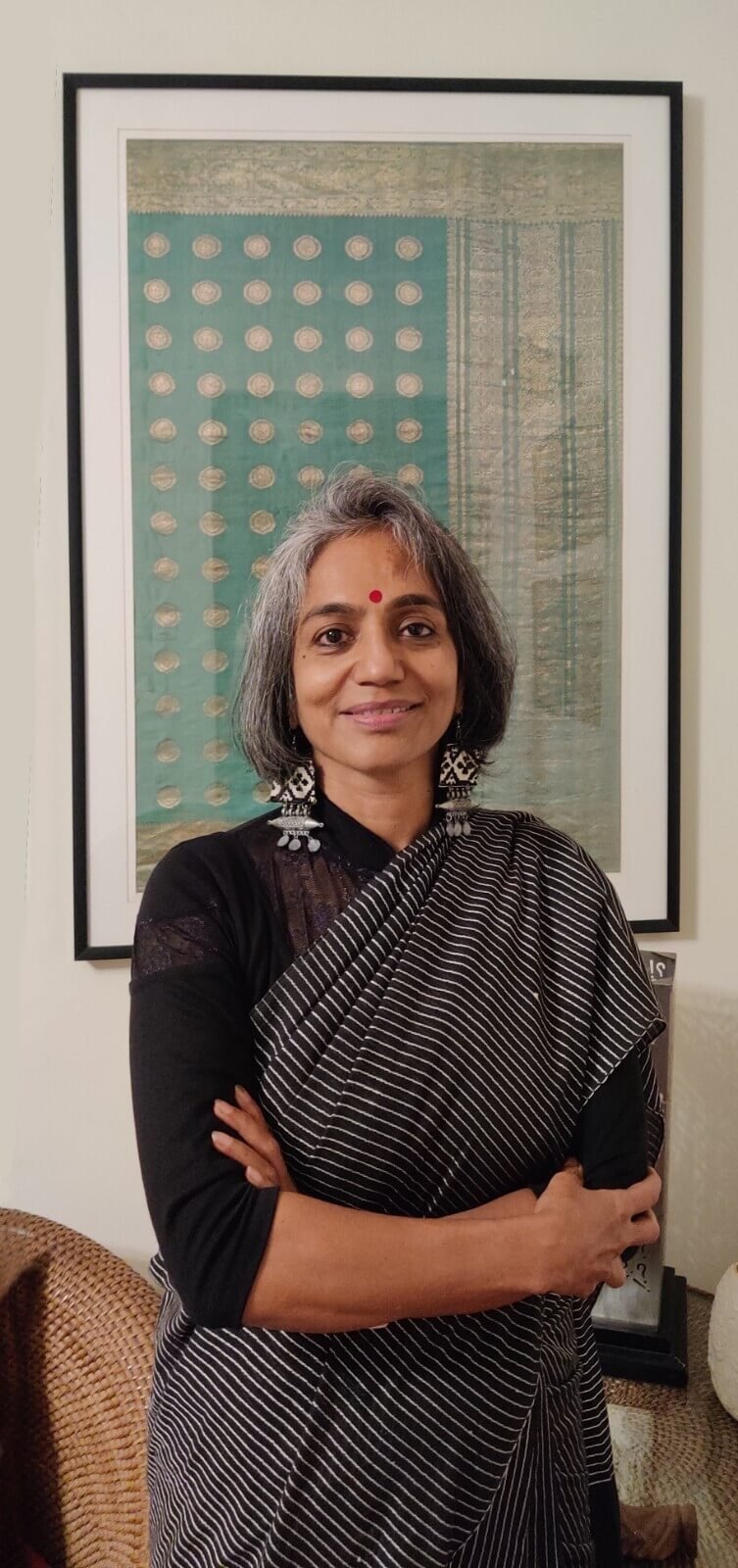
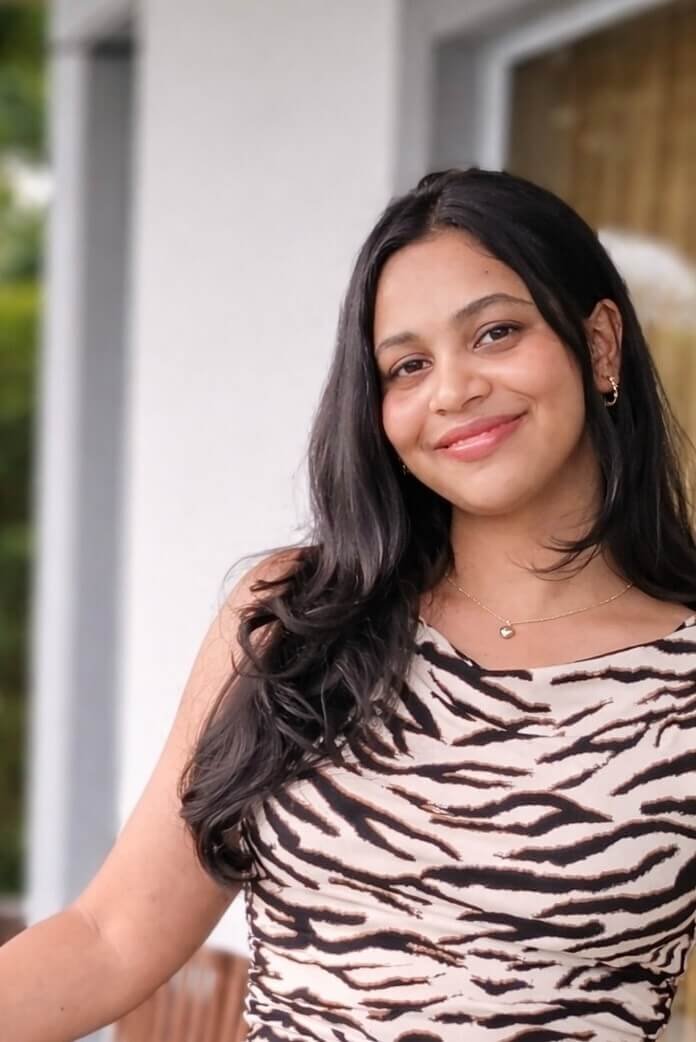
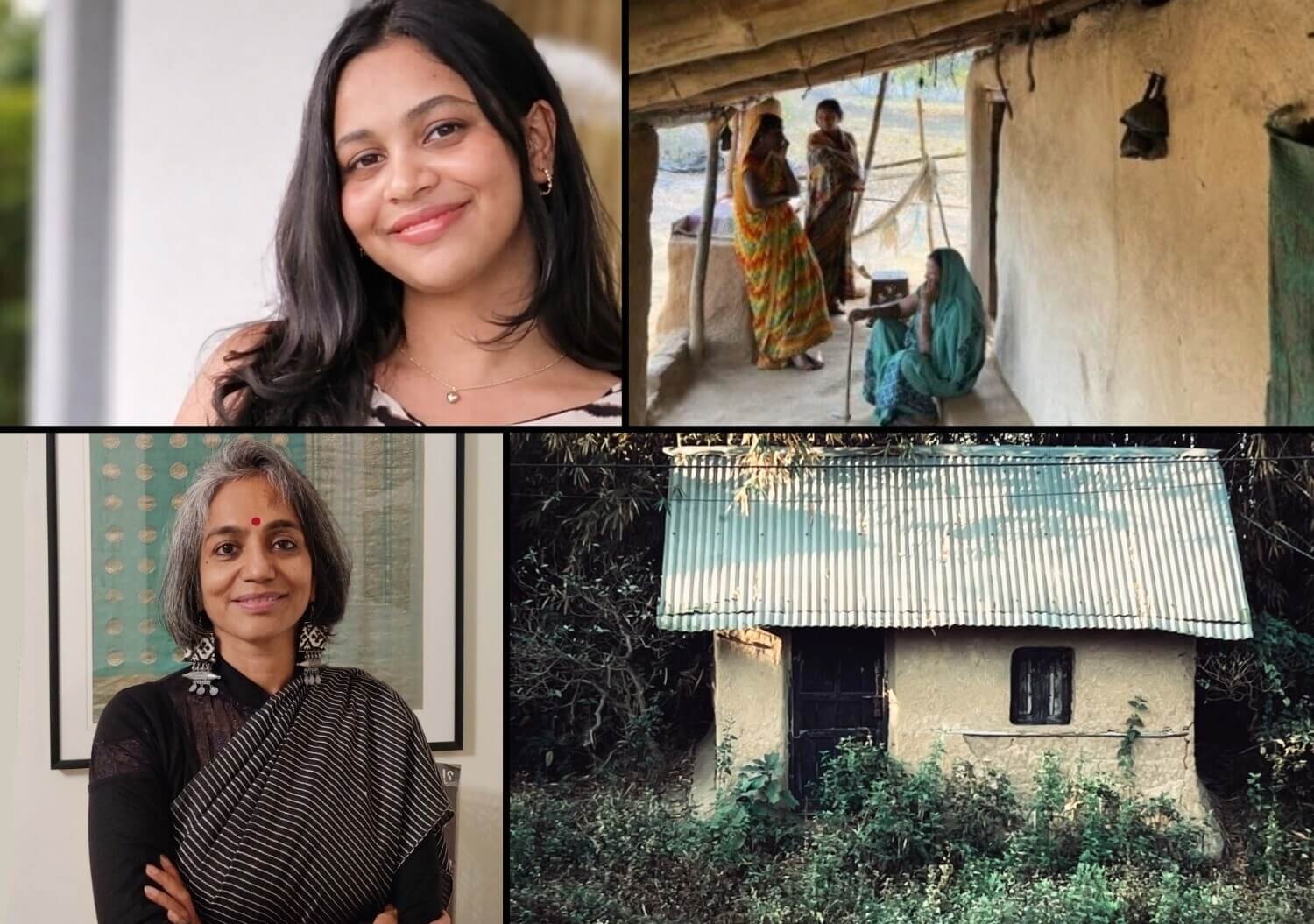
Co-authored by Ar. Gita Balakrishnan, Founder and Trustee, Ethos Foundation and Ar. Priyanka Michael, Program Assistant, Ethos Foundation
More about our work and mission can be found here: https://ethosfoundation.in/our-mission/
Social Media Handles:
Instagram: https://www.instagram.com/ethosarcause/
Gita Balakrishnan Instagram: https://www.instagram.com/gita_ethos/
LinkedIn: https://www.linkedin.com/company/ethos-foundation-arcause/posts/?feedView=all