
Taftoon in BKC celebrates the diverse culinary traditions of the Indian subcontinent, drawing inspiration from the regions, routes and cultures that shaped them. The restaurant’s approach often looks beyond familiar restaurant formats, focusing instead on the landscapes, journeys and circumstances that shaped how food evolved across the country. That same thinking forms the foundation of …
Taftoon in BKC celebrates the diverse culinary traditions of the Indian subcontinent, drawing inspiration from the regions, routes and cultures that shaped them. The restaurant’s approach often looks beyond familiar restaurant formats, focusing instead on the landscapes, journeys and circumstances that shaped how food evolved across the country. That same thinking forms the foundation of Pagdandi: a month-long food festival inspired by the lesser-seen food trails of Rajasthan.
Pagdandi is a path that never appears on maps. It forms slowly over time through footsteps across Rajasthan’s desert landscapes linking villages, hunting grounds and settlements long before formal roads came into existence. Along these narrow trails travelled traders, shepherds and communities, and with them travelled food. The dishes that took shape here were not born from abundance but from necessity: ingredients that could endure the desert climate, cooking methods that relied on fire and preservation, and meals that could sustain long journeys across unforgiving terrain.
At Taftoon, Pagdandi draws from these lesser-documented food traditions. Instead of dividing the menu into vegetarian and non-vegetarian sections, the dishes are organised around the circumstances that shaped them: what grew despite the desert, what could be preserved for travel, what was cooked over open fires during hunts, and what was prepared when journeys ended.
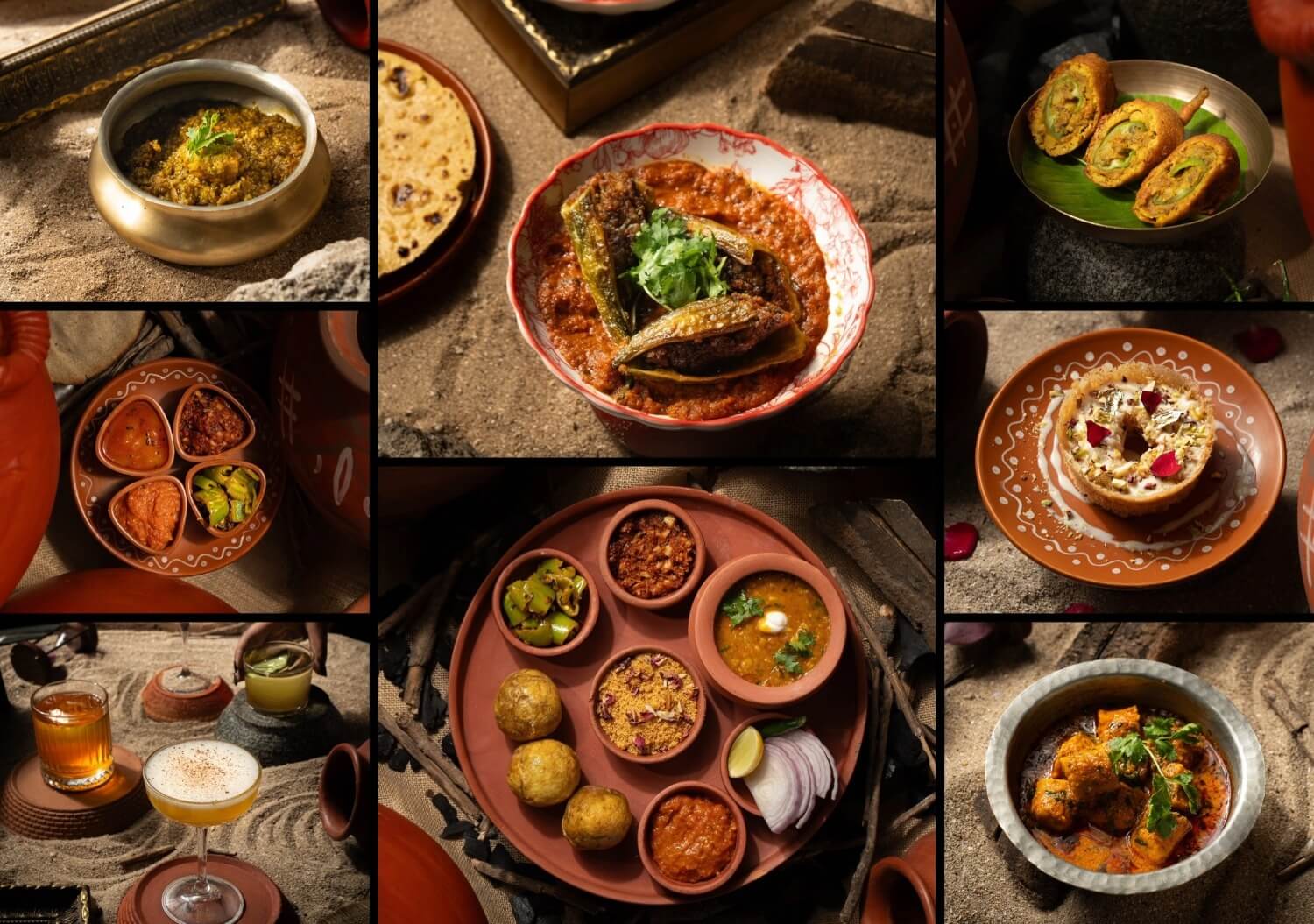
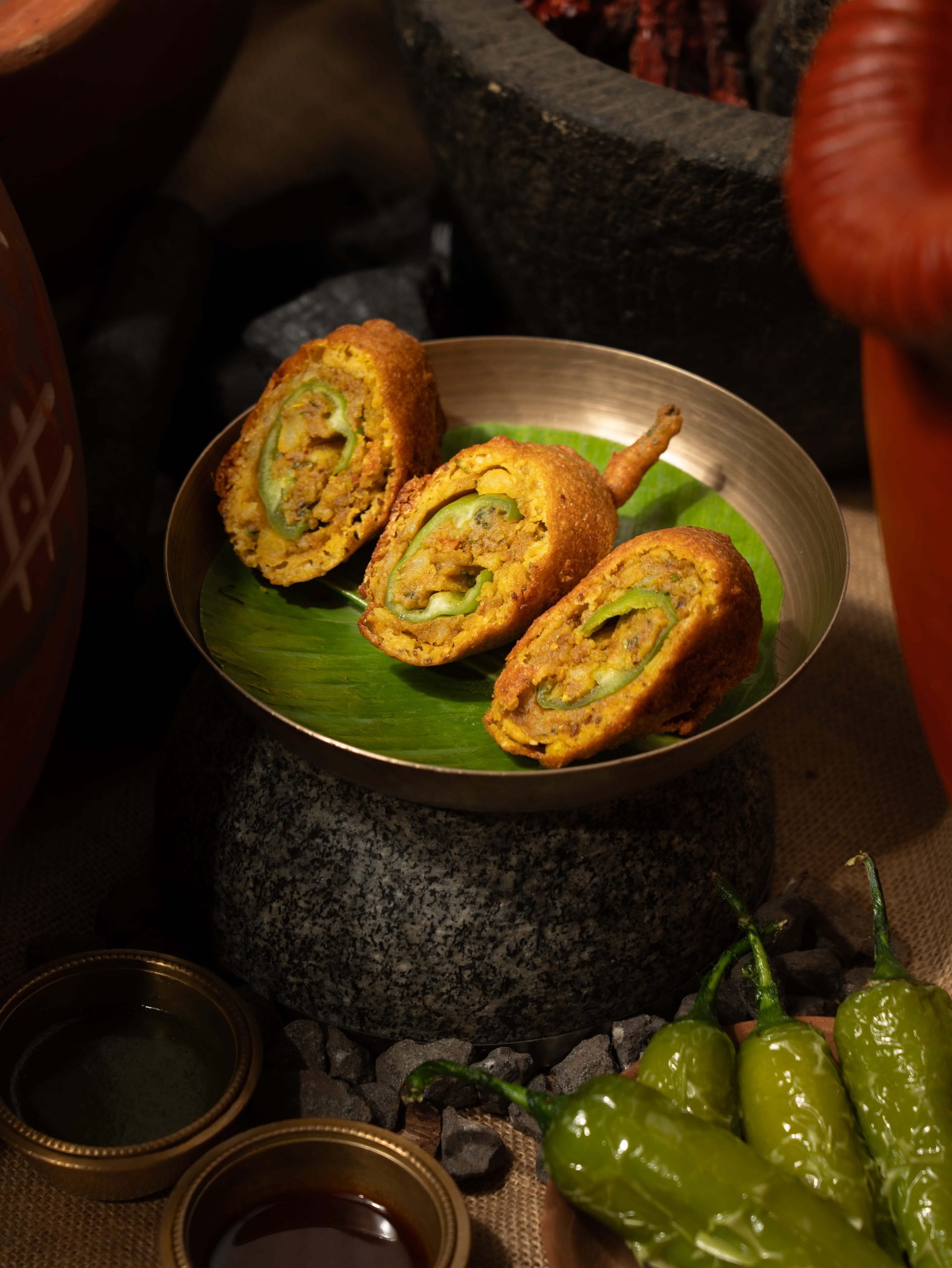
The menu moves through these ideas in a natural progression, beginning with From Night Fires, where dishes like Shikari Jungli Shorba reflect food cooked in camps and over open desert flames. It then transitions into From the Bazaar Paths, bringing in familiar roadside and town favourites such as Mirchi Vada and Makai Dahi Ke Kebab.
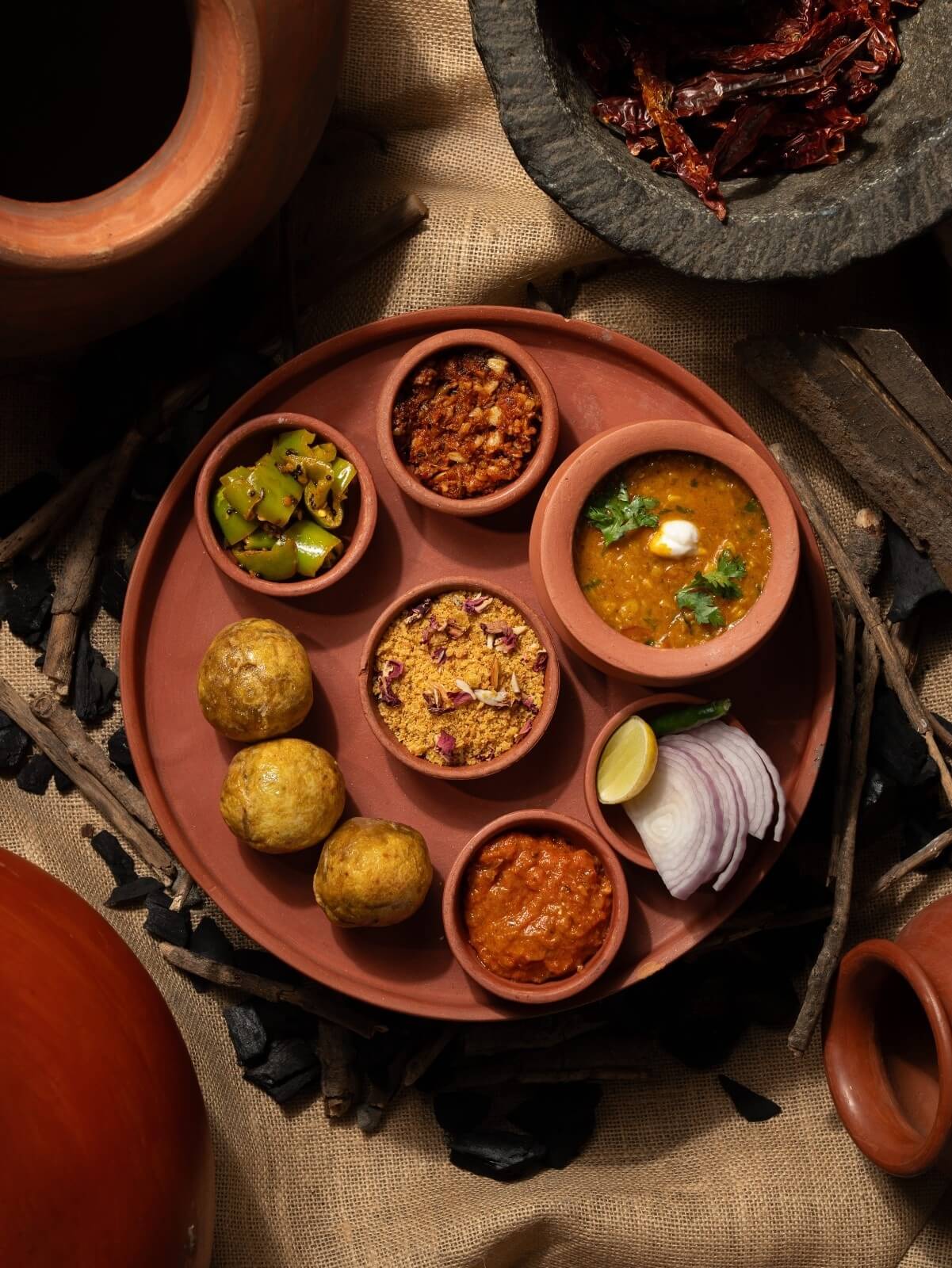
The narrative continues into From the Hunting Trails, where meat preparations such as Maas Ke Soole and Khad Murg highlight cooking shaped by fire, patience and instinct. The Desert Table is where dishes like Panchmel Dal, Baati and Churma represent everyday sustenance built around grains and lentils in a harsh landscape.


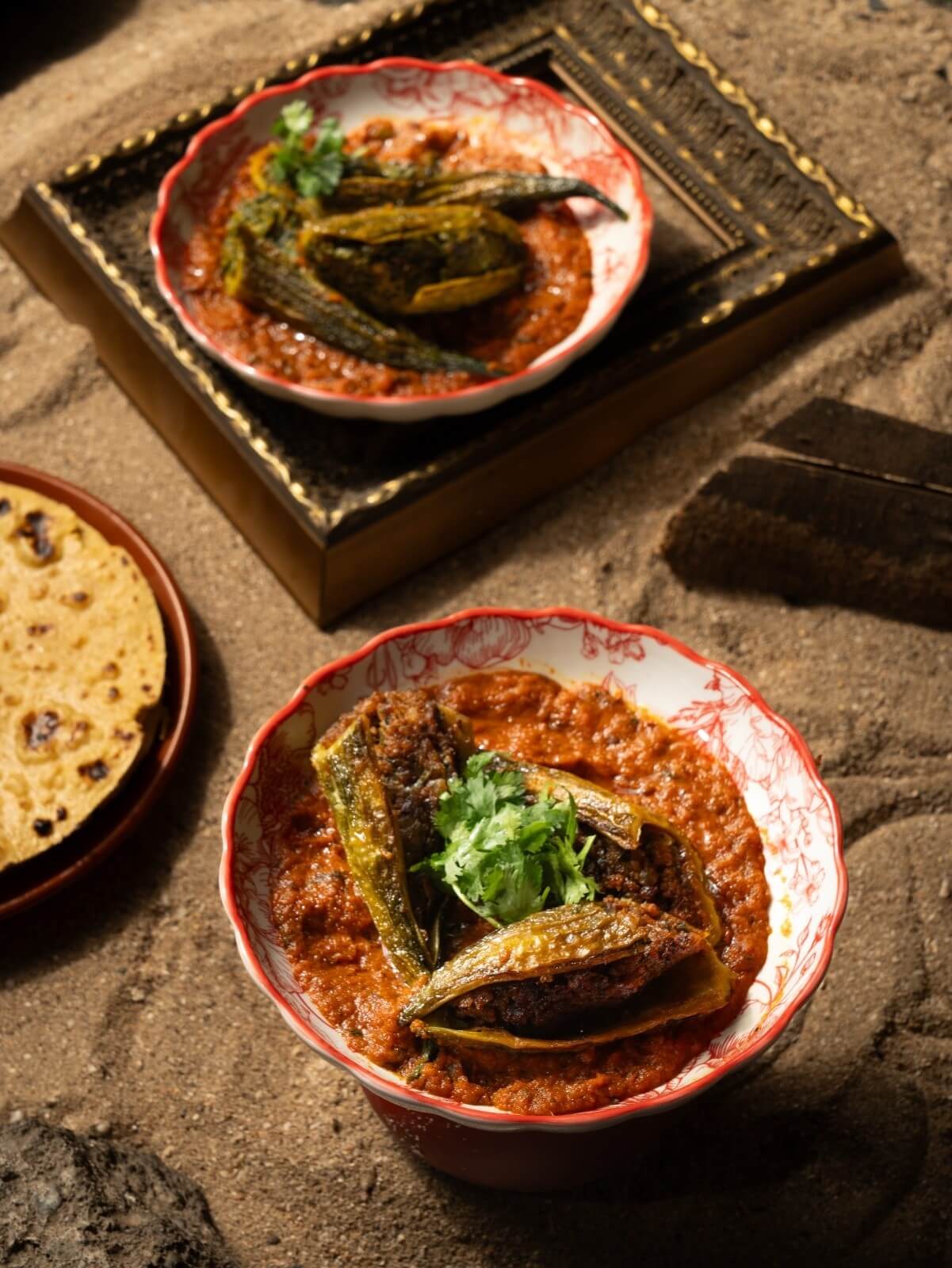
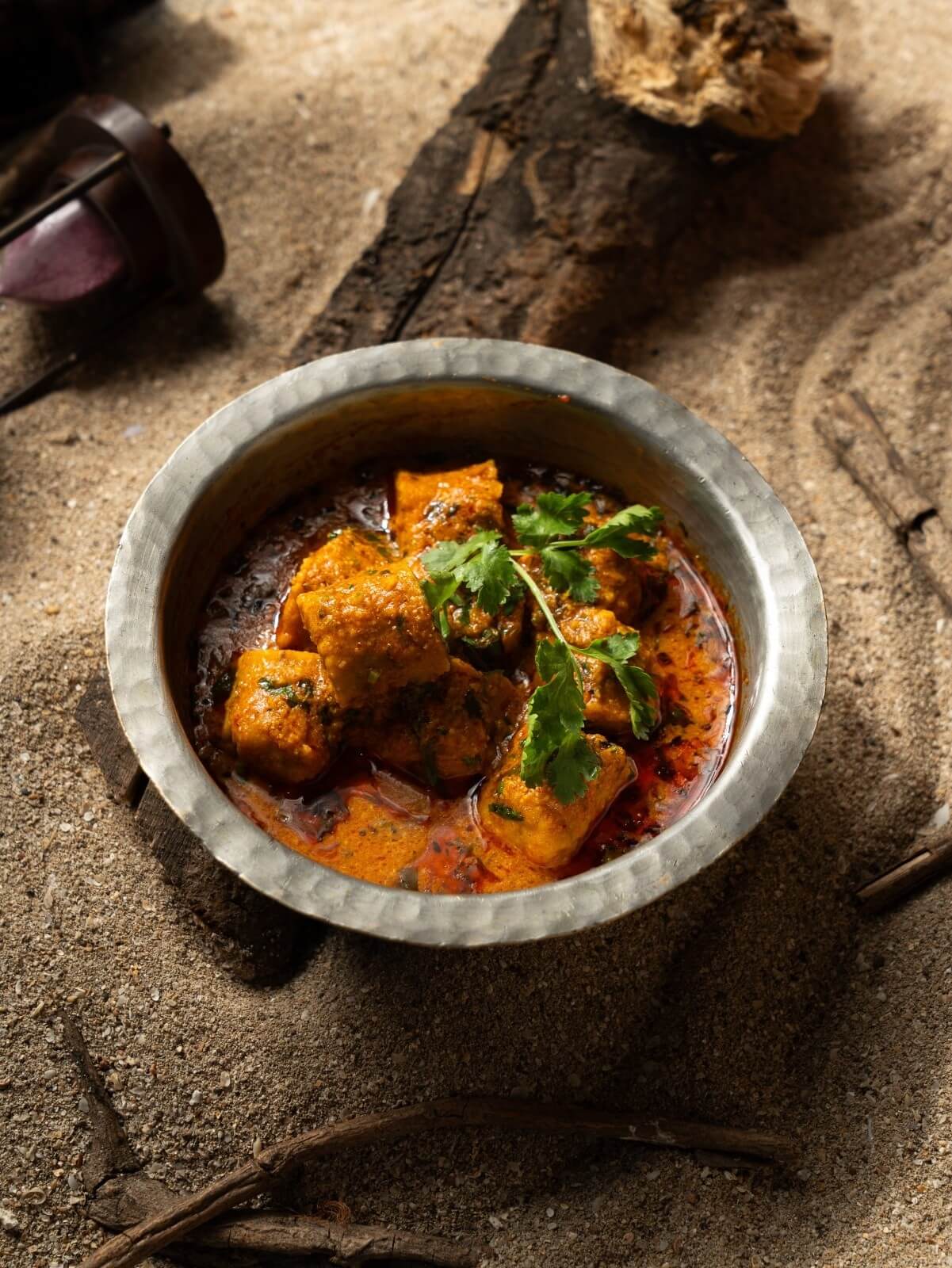
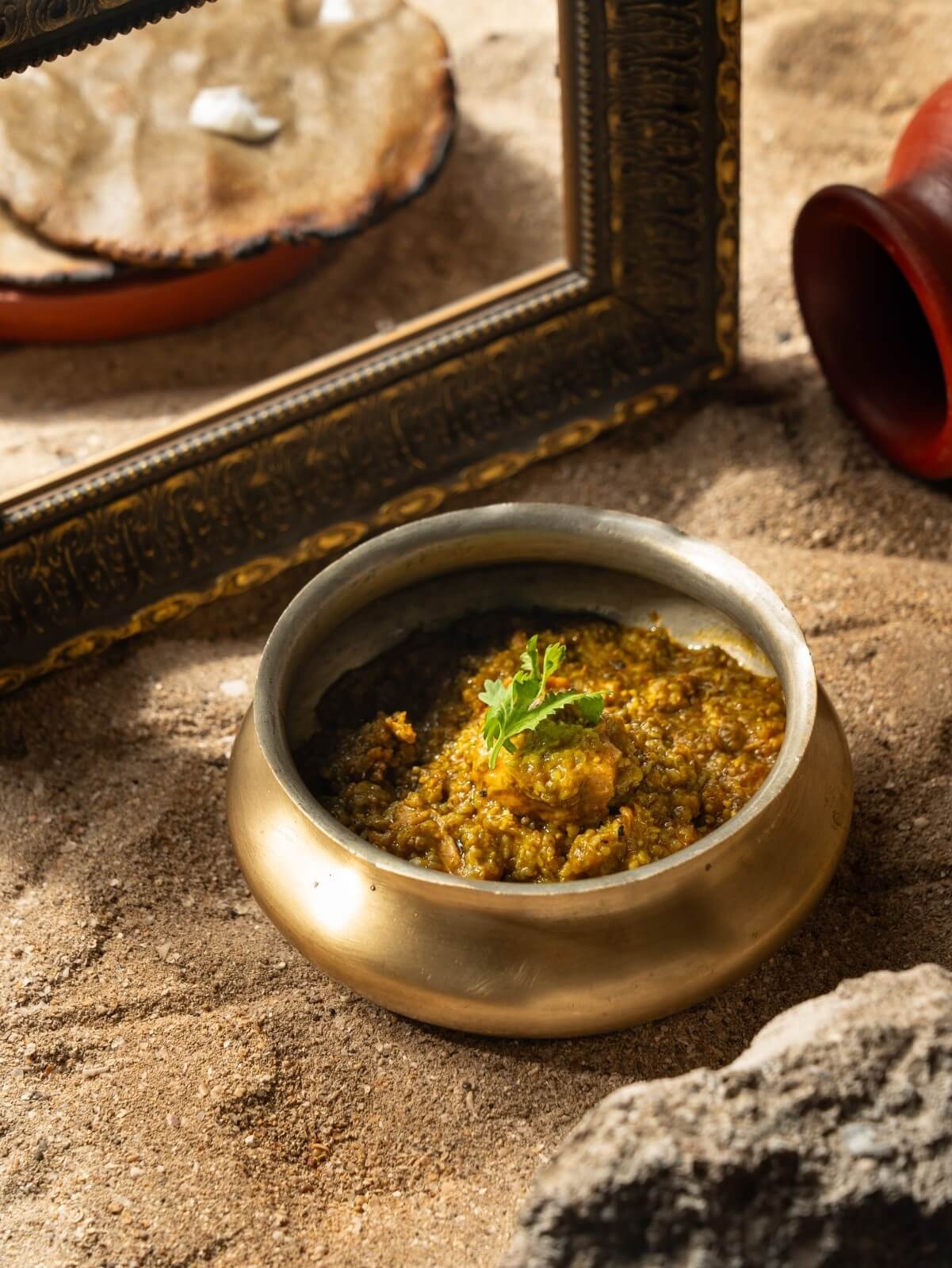
The menu further explores resilience through What Grew Despite the Desert, with dishes such as Ker Sangri Sabzi, Besan Gatte and Bhune Besan Ki Bhindee showcasing ingredients that endured Rajasthan’s climate. This is followed by What Was Hunted & Shared, where robust preparations like Lal Maans and Bajre Ka Soyta reflect the bold, hearty cooking styles shaped by the terrain.
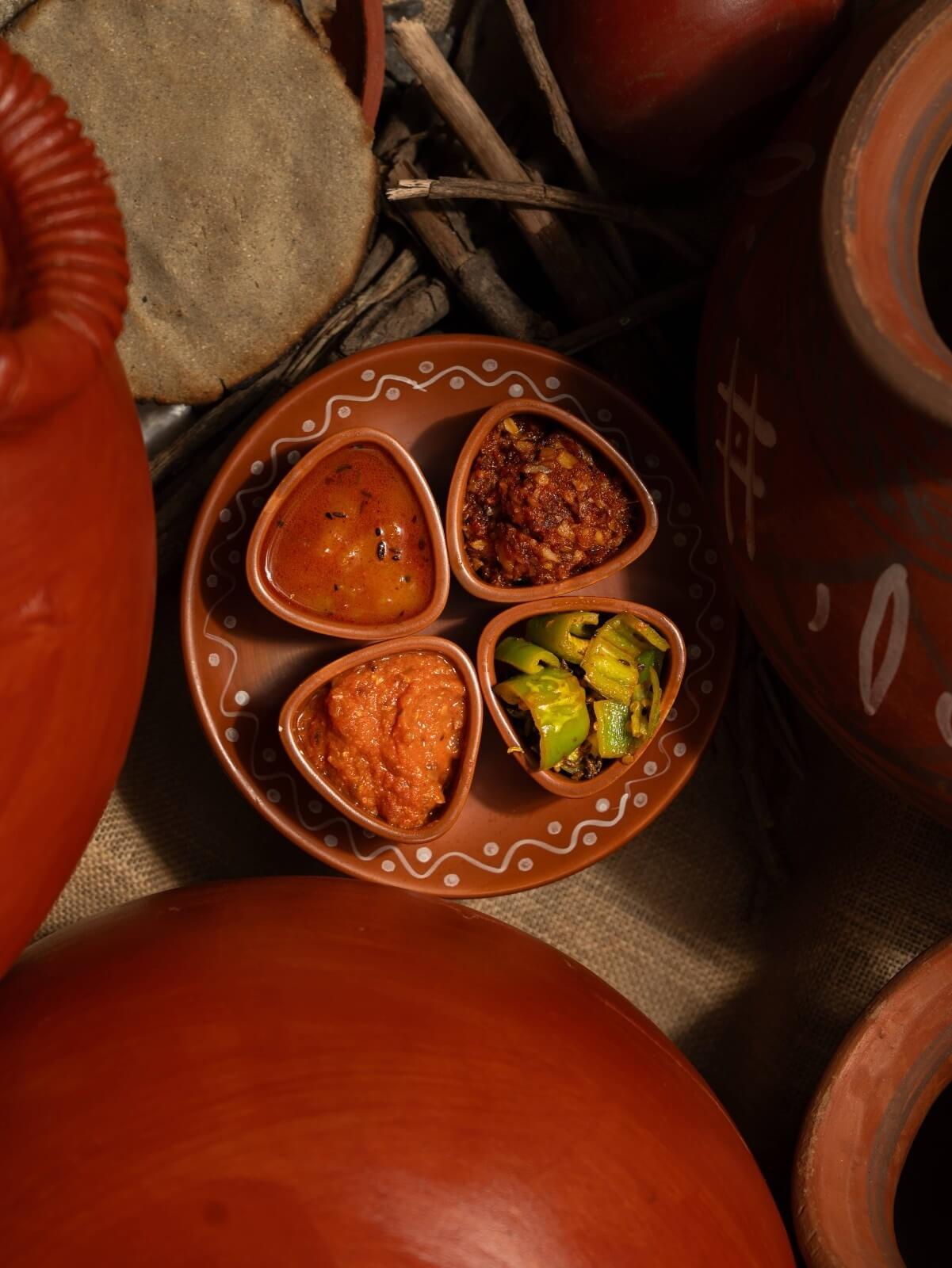
The experience is complemented by Accompaniments of the Desert, including Lasoon Ki Chutney, Mirchi Ka Kutt, Kachri Ki Chutney and Aam Ki Launji, alongside Breads of the Millet Belt such as Khooba Roti, Missi Roti, Bajre Ki Roti and Makki Ki Roti. The journey concludes with For the Return, where desserts like Ghevar and Paan Kulfi mark the end of the meal, much like they would at the end of a long journey.
Adding to the experience is a selection of traditional Rajasthani alcohol inspired by royal heritage liqueurs. Crafted in-house, these drinks draw from the flavours of desert feasts and palace kitchens, reinterpreted in a contemporary format. The Kesar Kasturi (Hot Toddy Style) is saffron-infused, aromatic and regal, while Chandr Hass (Sour Style) offers delicate floral notes with a smooth finish. Shahi Gulab (Martini Style) is floral and expressive, echoing desert gardens, and Royal Saunf (Straight Up) brings a fennel-forward profile that is cooling and digestive.
“Pagdandi is not just about presenting Rajasthani dishes, but about understanding the circumstances that shaped them,” says the chef. “Much of the region’s cooking evolved around limited resources, preservation techniques and fire-based methods. Through this menu, we’ve tried to stay true to that philosophy keeping the approach minimal, focusing on traditional techniques, and allowing the ingredients and context to lead. The idea is not to change the dishes, but to honour them as food shaped by resilience, ingenuity and necessity”.
Through this month-long festival, Taftoon invites diners to follow a culinary trail shaped by desert landscapes and lived histories, where every dish carries the memory of the paths that quietly sustained life along the way.
Date: 1st April – 1st May 2026
Address: Naman Centre Bank Of India, G Block Rd, opp. SIDBI, G Block BKC, Bandra Kurla Complex, Bandra East, Mumbai, Maharashtra 400051
Timing: 12:30 PM – 11:00 PM
Reservations: 022 4973 5748
For more information follow @taftoonindia