
Featuring 12 artists from varied creative backgrounds, the exhibition brings together explorations of human experience, abstract expression, cultural memory, nature and the passage of time, from 1 to 30 November. Pune, November 2026: Art is not always about what is immediately visible. Sometimes, it lies in the movement of a line, the memory held within …
Featuring 12 artists from varied creative backgrounds, the exhibition brings together explorations of human experience, abstract expression, cultural memory, nature and the passage of time, from 1 to 30 November.
Pune, November 2026: Art is not always about what is immediately visible. Sometimes, it lies in the movement of a line, the memory held within a colour, or the emotions that emerge from an abstract form. Exploring these dimensions of artistic expression, Onirique: Between the Seen and Felt brings together 12 artists for a month-long group exhibition at Vesavar Art Gallery, on view from 1 to 30 November 2026.
The exhibition features Ashok Bhowmick, Yusuf, Haren Thakur, Sanjay Kuar, Milind Limbekar, Jai Krishna Agarwal, Mukesh Bijole, Rakhi Kumar, Pranalli Harpudeh, Meenakshi Jha, Priyanka Sinha and Suman Pandey, bringing together distinct approaches to visual storytelling and artistic interpretation.
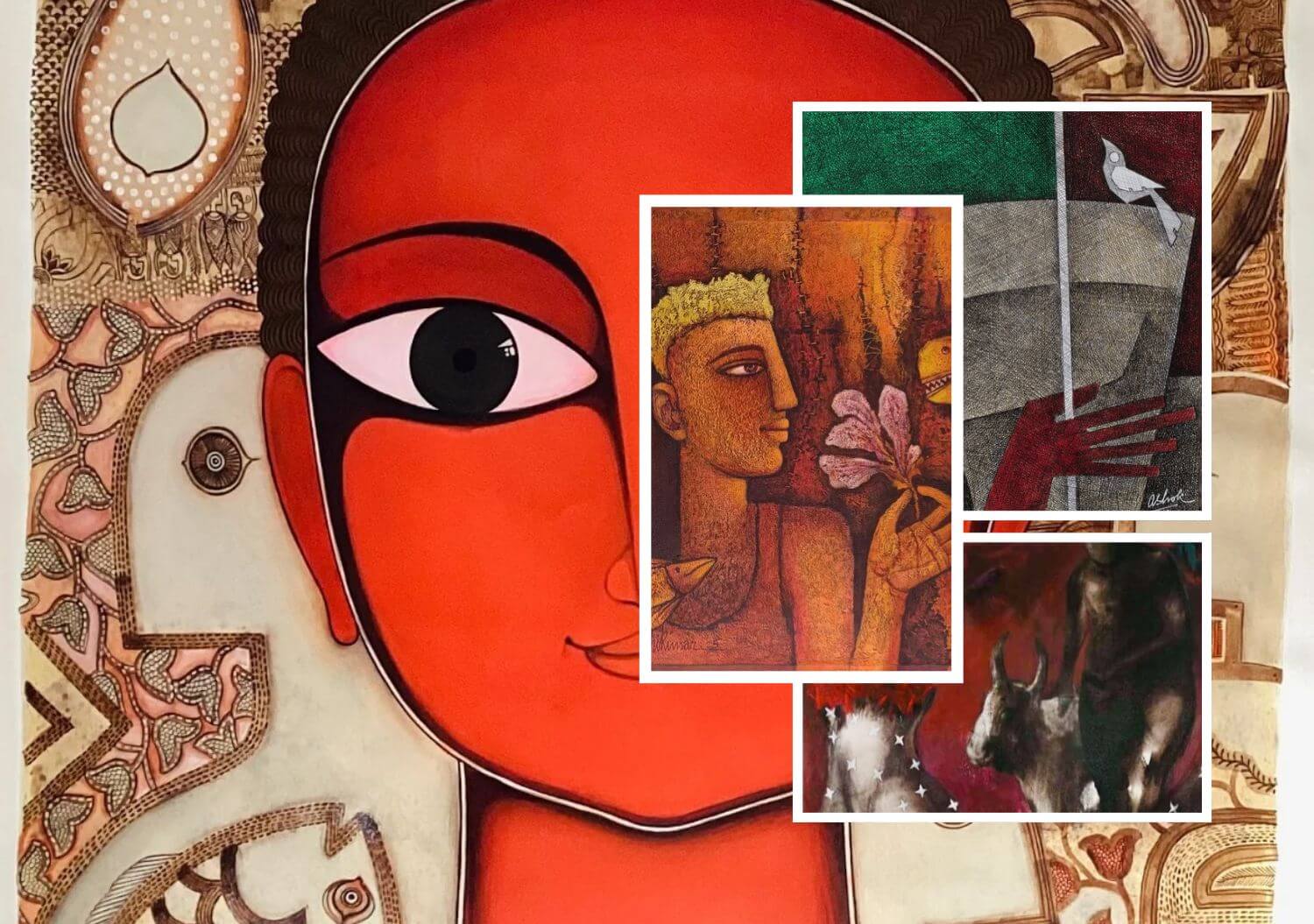
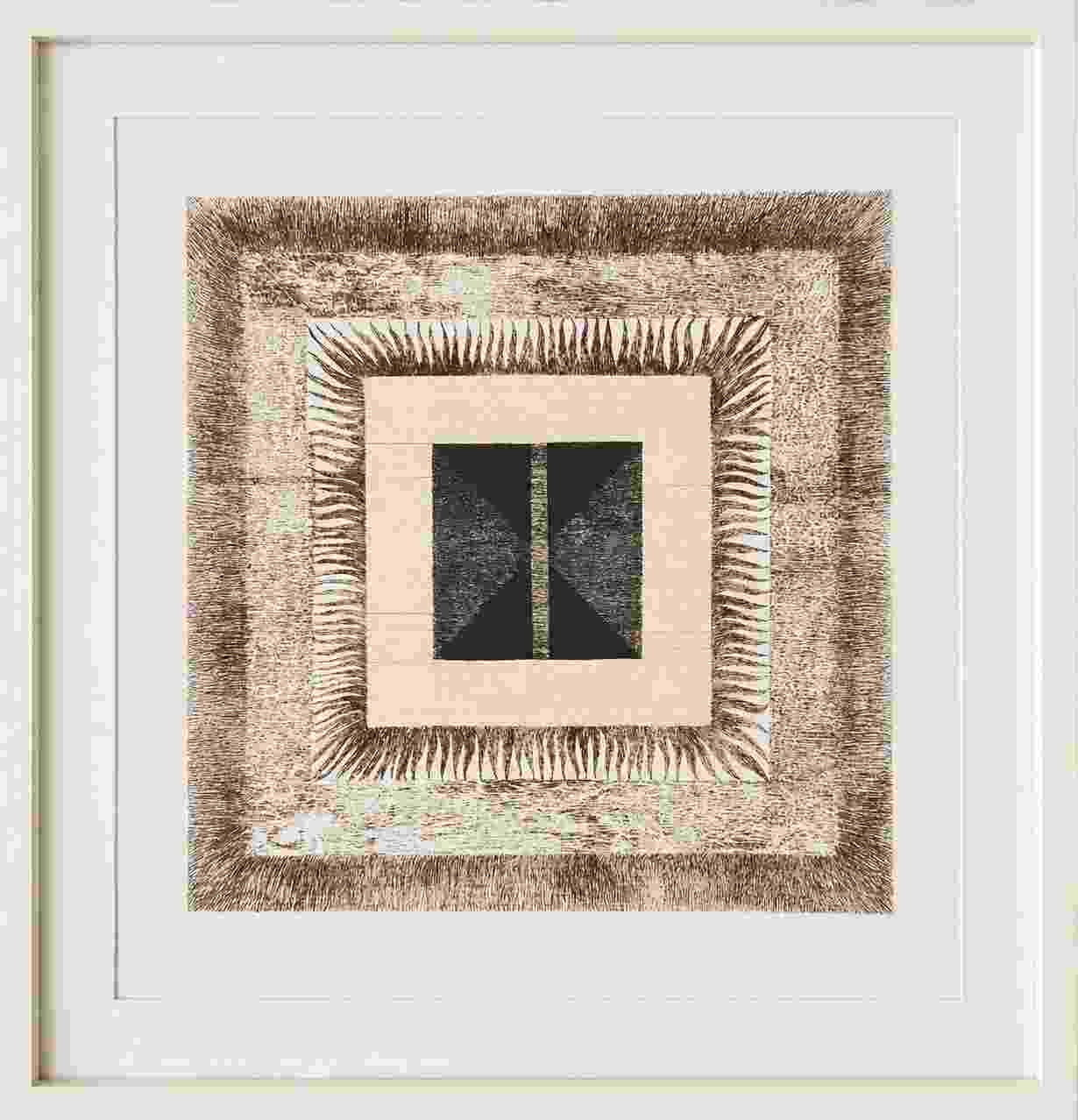
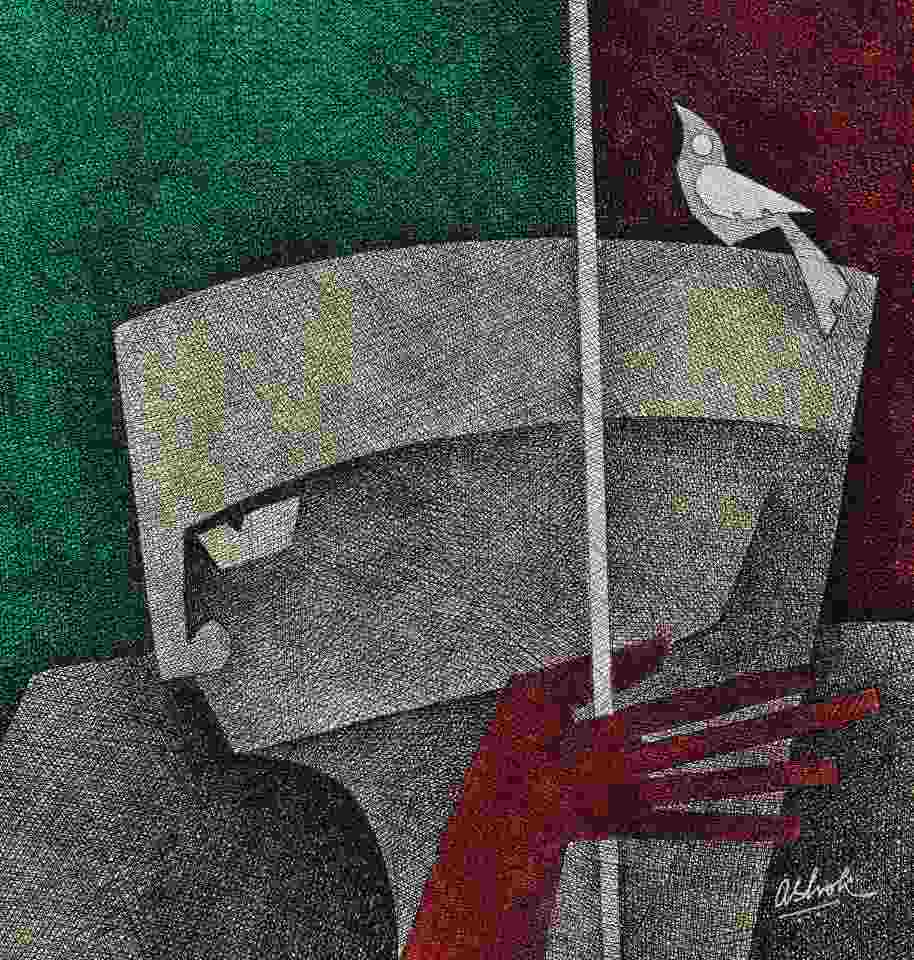
Among the featured artists, Ashok Bhowmick’s practice explores the intersections of life and art, while Yusuf examines the expressive possibilities of the line. For Yusuf, a line is not merely a boundary defining an object but an independent element capable of movement, rhythm and transformation. His compositions explore the relationship between drawn lines and the spaces between them, creating works that he describes as musical notations of music yet unborn.
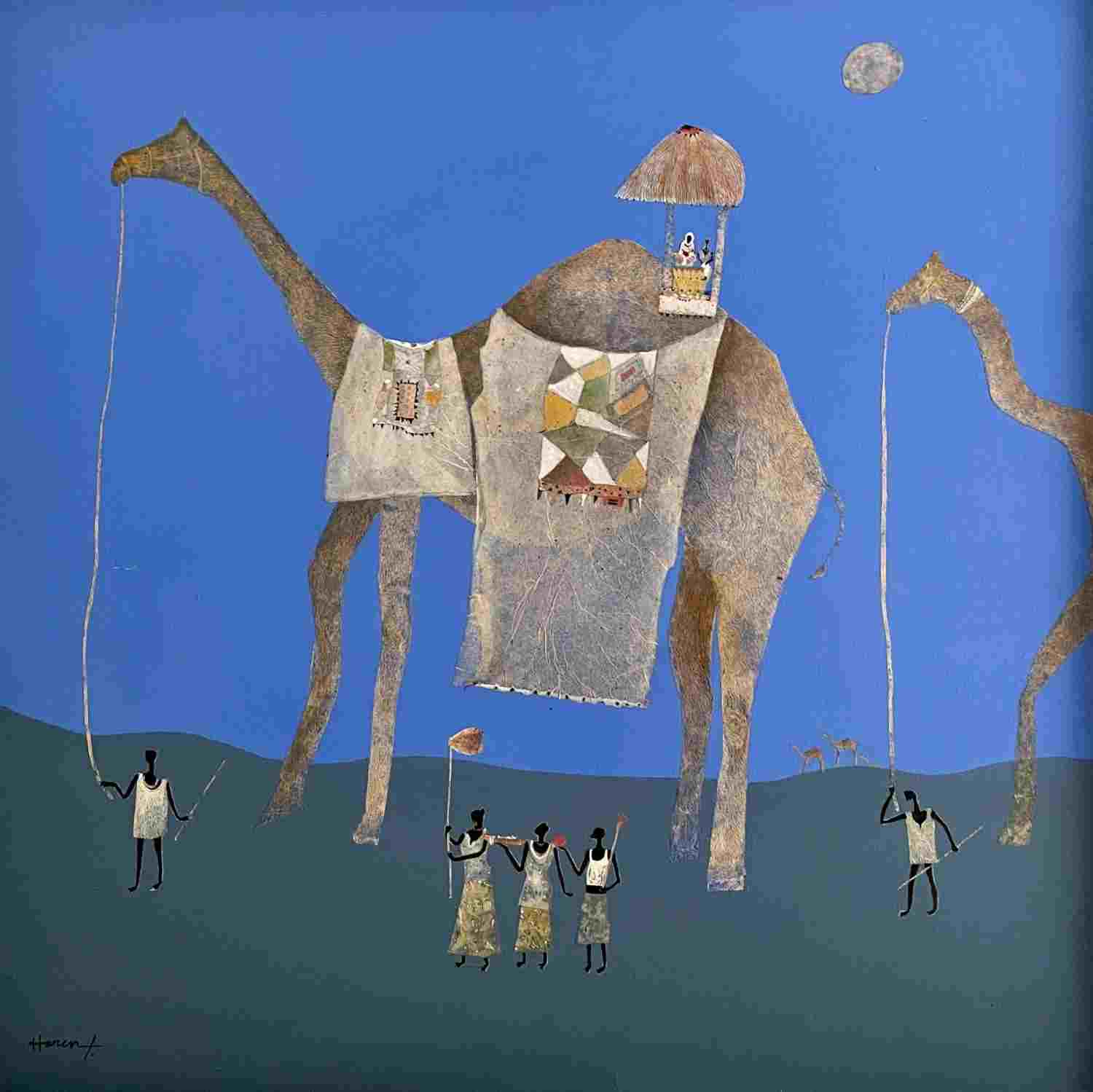
Haren Thakur’s artistic perspective draws from nature, cultural traditions and the legacy of Santiniketan. His work engages with the evolution of Indian modernism, reflecting the relationship between regional identities, indigenous artistic traditions and contemporary thought. Speaking about his relationship with nature, Haren shares, “An artist's connection with nature is something deeply inherent. Artists do not create nature; it is God's creation. We simply bring our own expressions and interpretations to what already exists, adding our perspective through art.” His approach brings attention to the ways cultural heritage continues to influence and shape modern artistic expression.
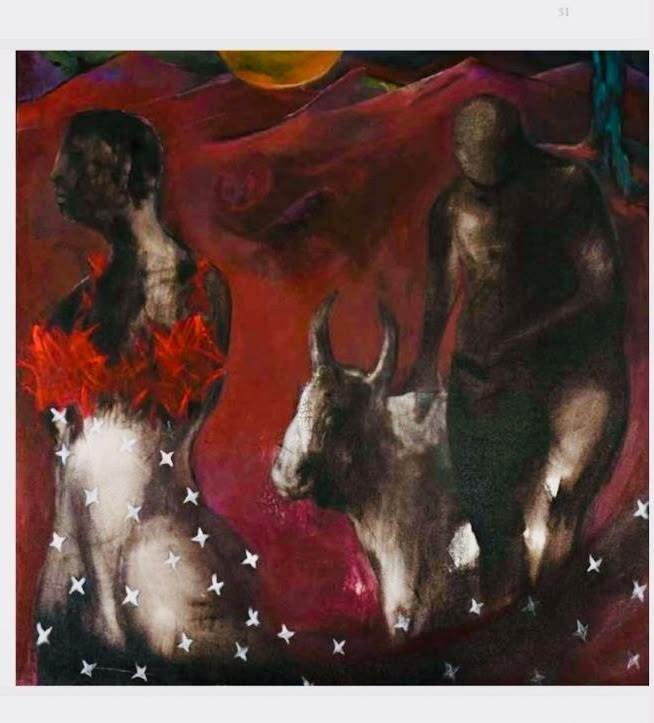
Milind Limbekar’s Starry Night explores existence, memory and the subconscious through an imagined nocturnal landscape. Set against a deep crimson sky, figures, an animal and scattered stars occupy a space between familiarity and mystery, evoking a journey through dreams, silence and unanswered questions. Jai Krishna Agarwal presents limited-edition Giclée prints created through the digital manipulation of photographic images. His deliberate use of black and white draws attention to the character of forms and their underlying ideas, while his preference for leaving works untitled allows viewers to develop their own interpretations.
Mukesh Bijole draws inspiration from small-town life and India’s rich folk traditions. His figurative compositions portray communities engaged in everyday labour, celebration and togetherness, using bold lines and vibrant colours to capture the vitality of rural life. Influences from tribal and prehistoric visual languages lend his work a distinctive character, bringing cultural memory into contemporary expression. Reflecting on his creative process, Mukesh says, “My paintings draw their inspiration from nature and the people around us. I don't believe in looking for something extraordinary or distant for inspiration; it is often found in the everyday things we see and experience. Whenever I travel, I rarely take photographs. Instead, I observe and absorb my surroundings, return home, reflect on those experiences, and let them find their way onto the canvas.”
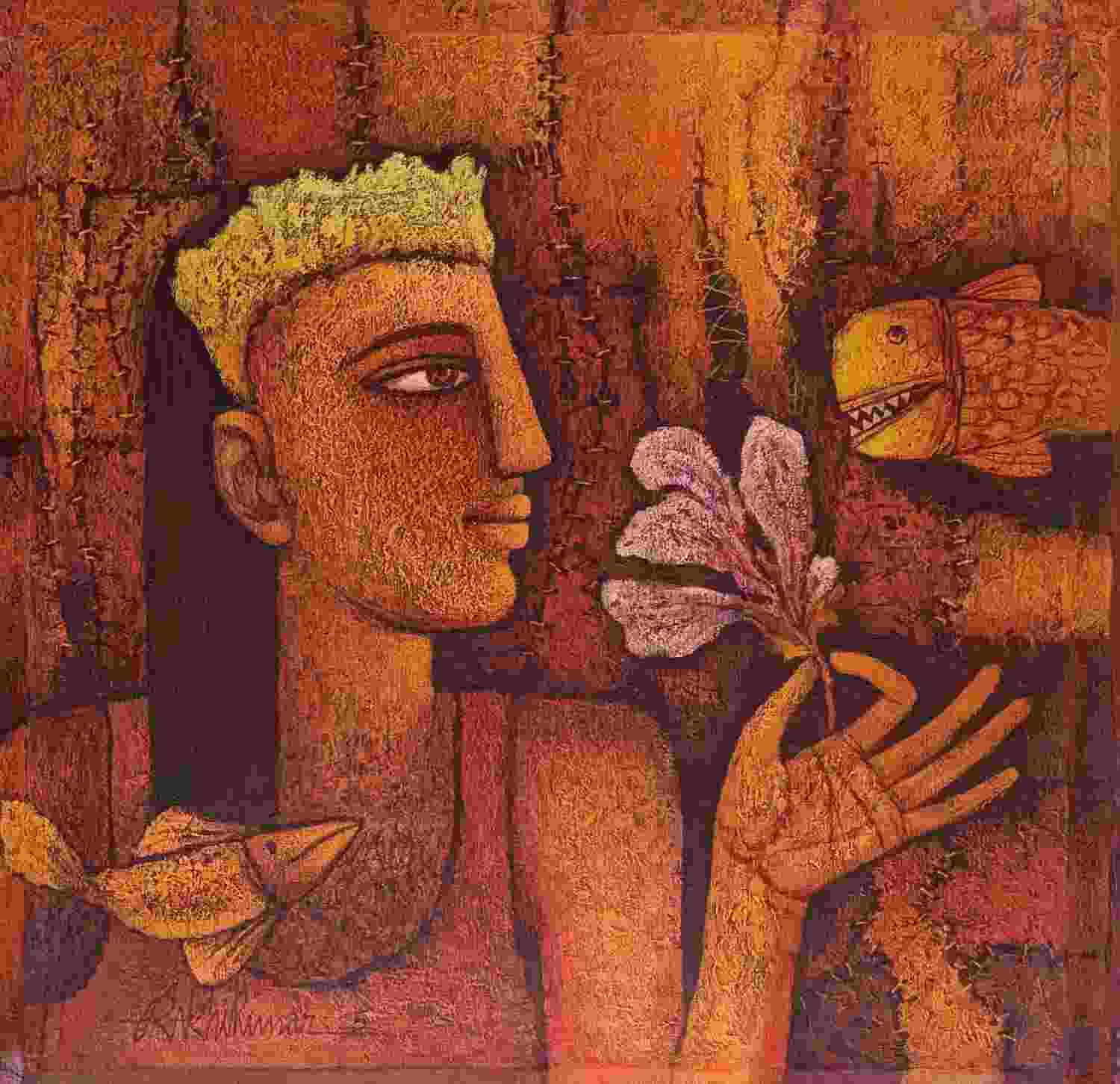
Rakhi Kumar’s The Silent Echoes series explores the connection between women and nature through the symbolism of Shakti. Depicting women in quiet encounters with birds and fish, her paintings reflect on freedom, empathy and the emotions that often remain unspoken. Through textured surfaces, earthy colours and stylised human forms, nature becomes both a physical landscape and a space for memory, dreams and introspection.
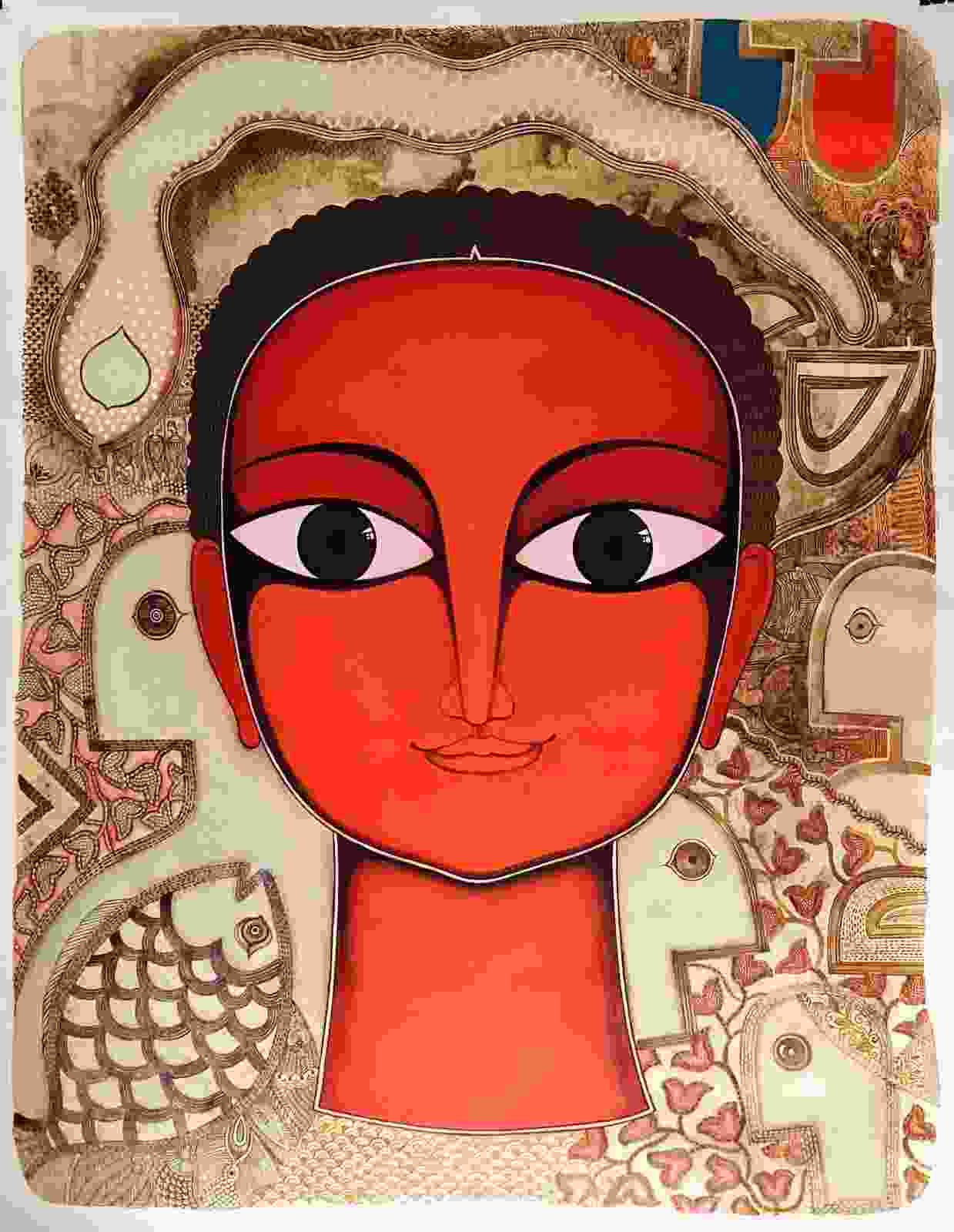
Meenakshi Jha Banerjee brings the traditions of Mithila into conversation with contemporary artistic expression. Drawing from her cultural roots in Bihar, her practice combines vibrant colours, intricate detailing and symbolic imagery with themes of feminine strength, mythology, cultural rituals and social realities. Through acrylics and mixed media, her work reflects how traditional visual languages can evolve while retaining their cultural significance.
Priyanka Sinha explores human emotions, spirituality and consciousness through painting, sculpture, installation, printmaking and photography. Her Aspiration series examines control and manipulation in human relationships through the imagery of puppets and ghunghroo, while Peace of Mind reflects on spirituality and the search for inner balance. In Unframed, she questions the boundaries imposed on relationships and emotions, while Invisible in the Visible explores the unseen forces of hope, energy and emotion that shape human experience. Her practice combines introspection with an engagement with the complexities of society and the human condition.
Suman Pandey’s six-part textile work, Rashmi and Martandya, from her ongoing series Dampati: Marital Myths & Sacred Matters, draws on two dimensions of the Sun in Vedic mythology: its radiant energy and its mortal, ephemeral aspect. A recurring red circular form evokes the solar disc, while layered and striped textile surfaces suggest the passage of time, memory and impermanence. Through repetition, texture and material, the work reflects on the relationship between creation and dissolution, attachment and letting go.
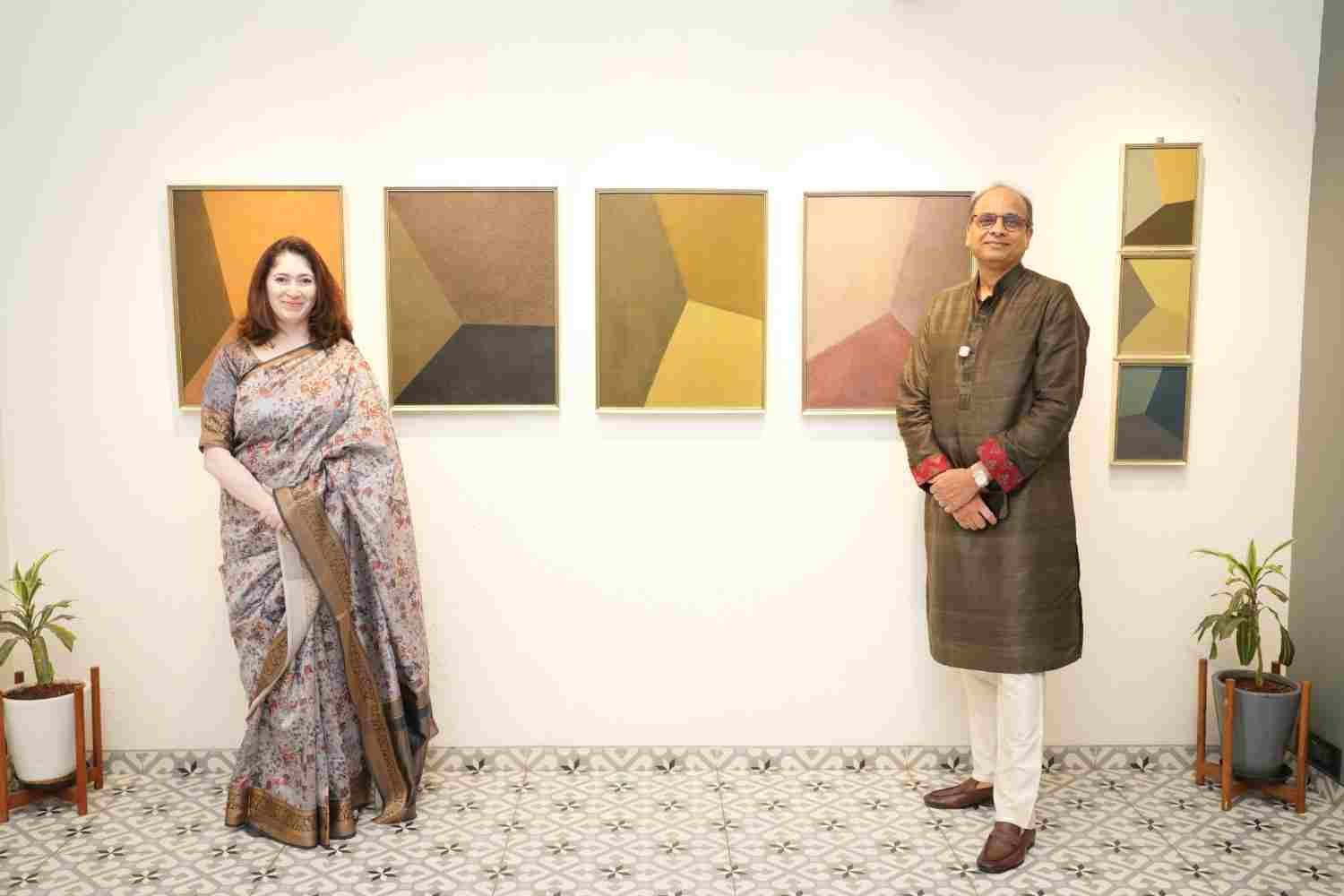
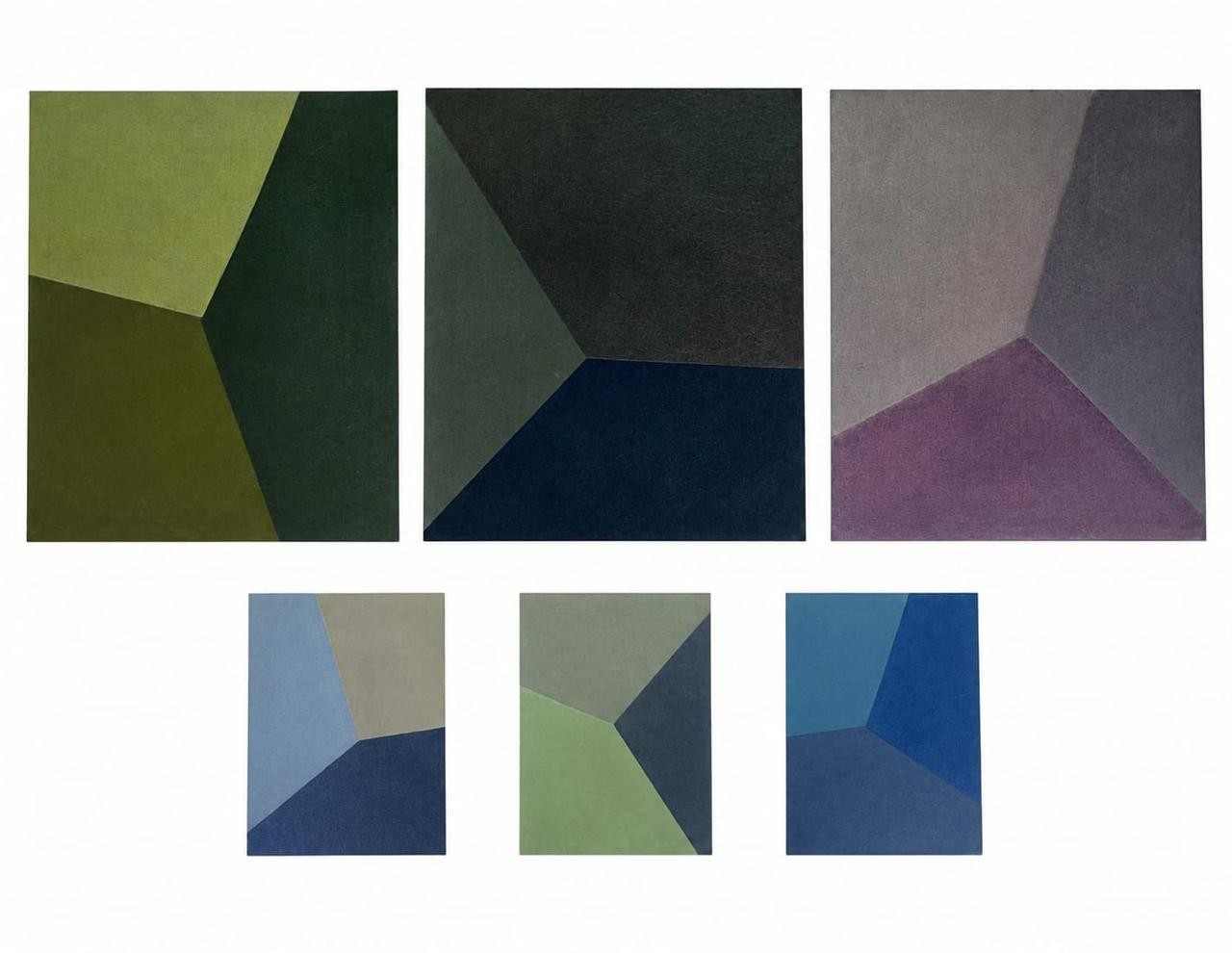
Pranalli Harpudeh explores the relationship between geometric forms, colour and human emotions through abstract oil paintings. Her compositions bring angular, interconnected shapes together at central points, suggesting moments of connection, conflict and transformation. Carefully arranged colour fields and intersecting planes create a balance between structure and complexity. Explaining the thought behind her abstract compositions, Pranalli says, “Through geometry and abstract forms, I wanted to explore how a painting can evoke emotions even in the absence of recognisable objects. The idea was to move beyond what viewers can physically identify and allow them to connect with the artwork through their own feelings and interpretations.”
The exhibition also features Sanjay Kuar, bringing together a wider range of artistic voices within the collective presentation. Across the exhibition, the artists engage with different subjects and mediums, from folk traditions and cultural memory to abstraction, spirituality and the passage of time.
Through this group exhibition, Vesavar Art Gallery creates a space for diverse artistic practices to come together, offering audiences an opportunity to experience the many ways art can communicate, question and inspire.