

Aayush Arya, Founder and Principal Designer of 6Hues Architecture Studio, brings a distinct, research-driven perspective to contemporary architectural discourse. With a background in technology journalism, Arya approaches design with a sharp analytical lens, combining storytelling with spatial intelligence. His practice has consistently emphasized context-led, climate-responsive architecture, positioning 6Hues at the forefront of a new wave …
Aayush Arya, Founder and Principal Designer of 6Hues Architecture Studio, brings a distinct, research-driven perspective to contemporary architectural discourse. With a background in technology journalism, Arya approaches design with a sharp analytical lens, combining storytelling with spatial intelligence. His practice has consistently emphasized context-led, climate-responsive architecture, positioning 6Hues at the forefront of a new wave of Indian design thinking that prioritizes both performance and cultural relevance.
By 2025, façade and fenestration design in India marked a decisive shift away from the long-dominant glass-heavy, Western-inspired aesthetic. Architects across the country began to critically reassess the viability of fully glazed façades in India’s harsh climatic conditions. High solar exposure, heat gain, and increased cooling loads made it evident that transparency alone could not define contemporary architecture.
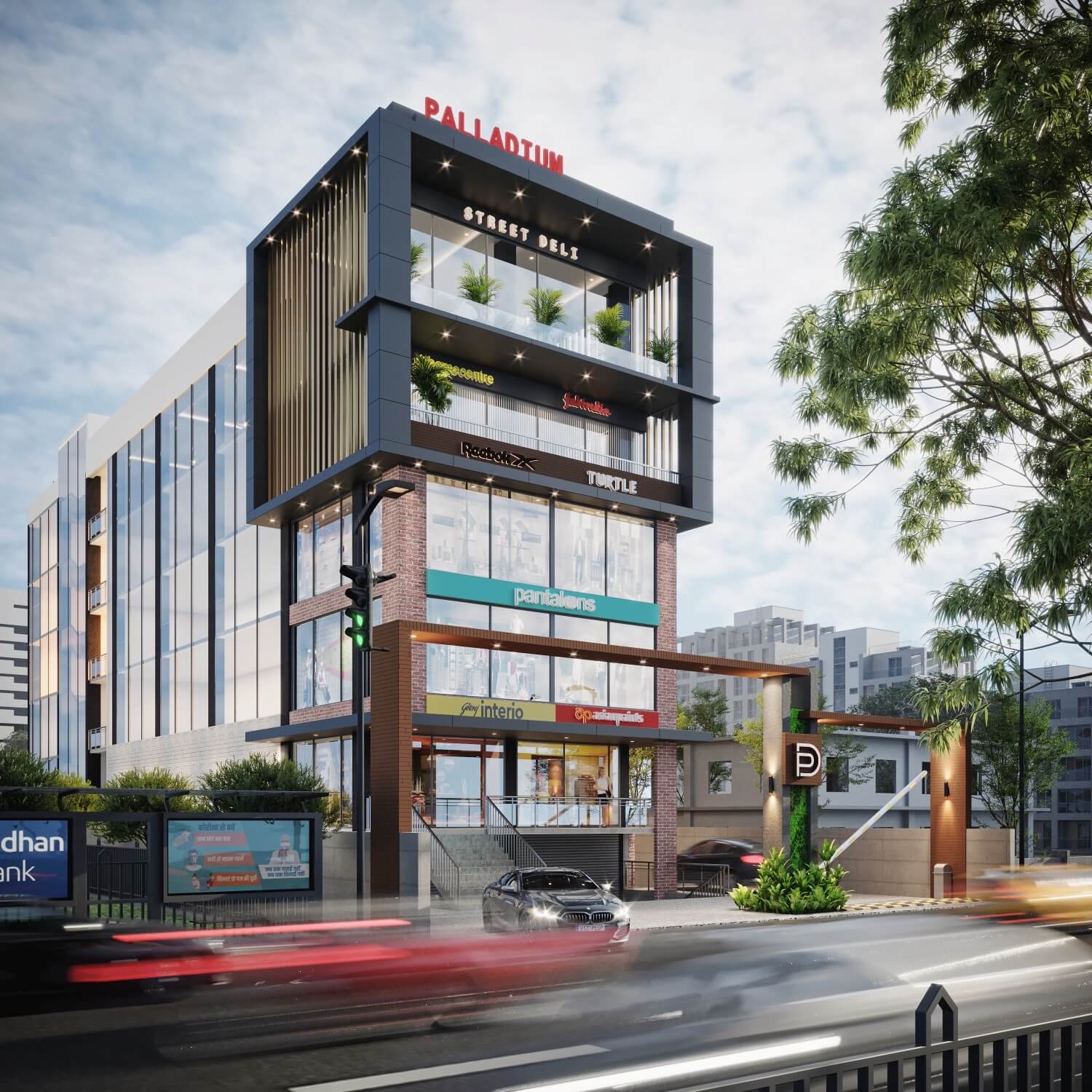
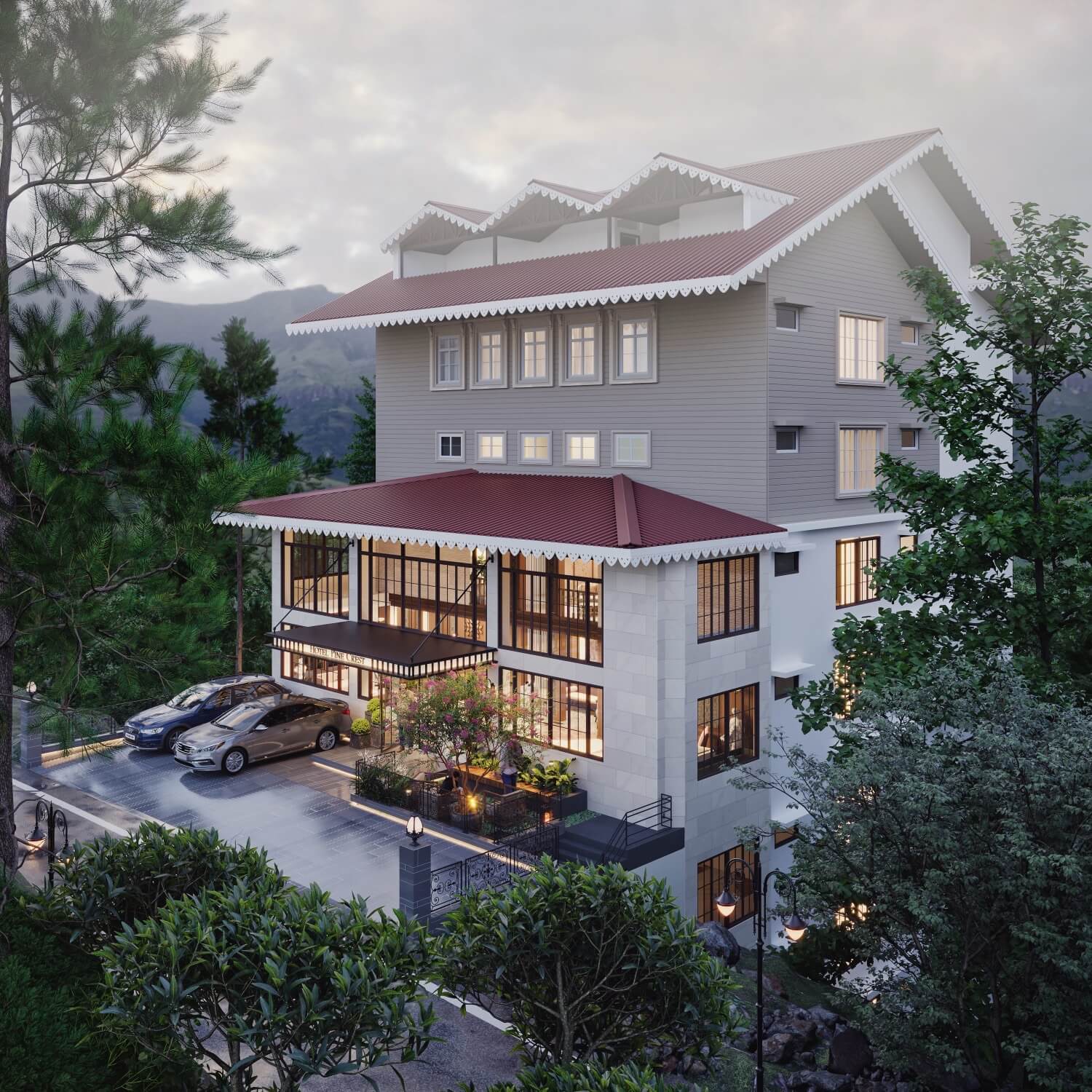
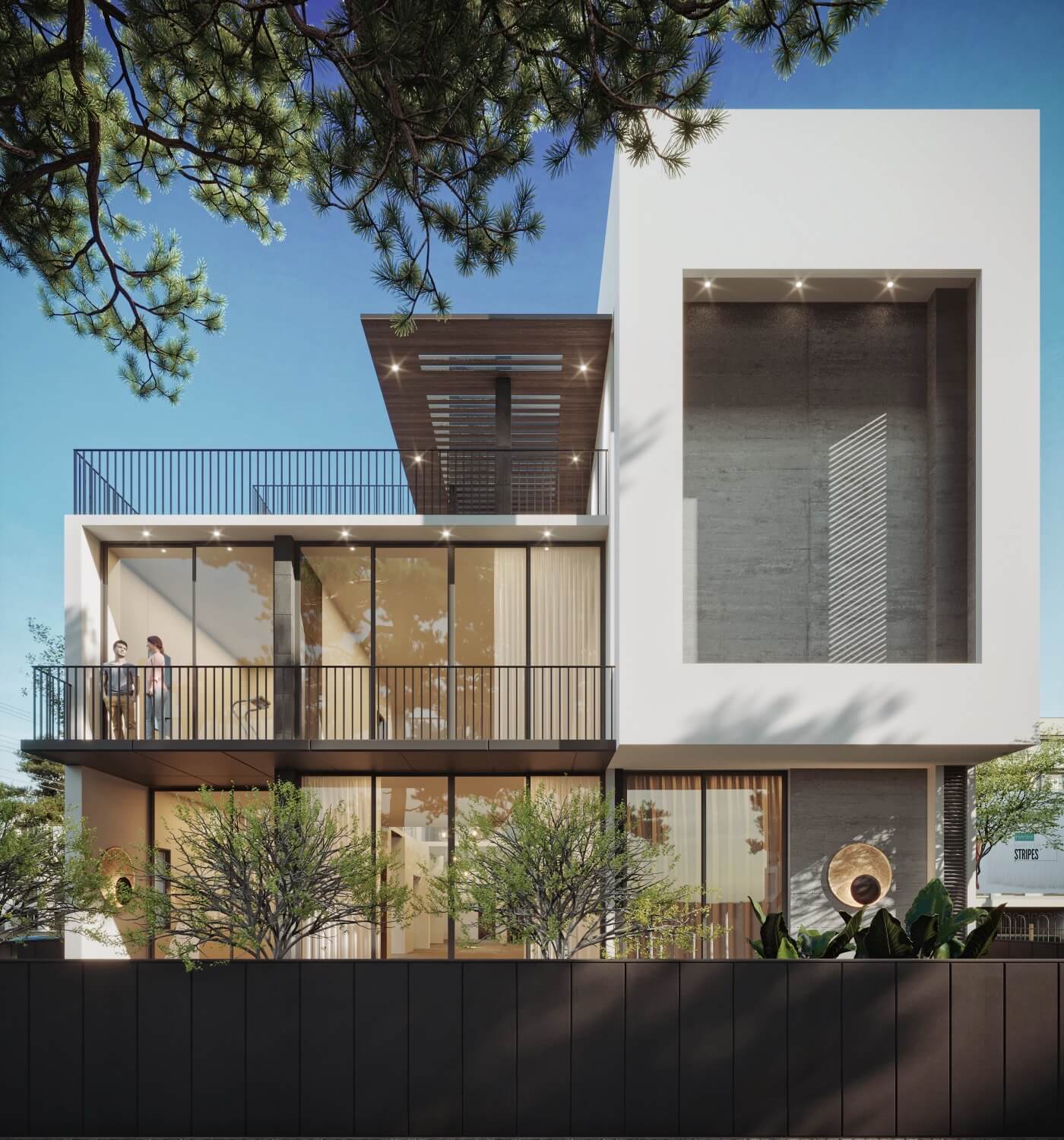
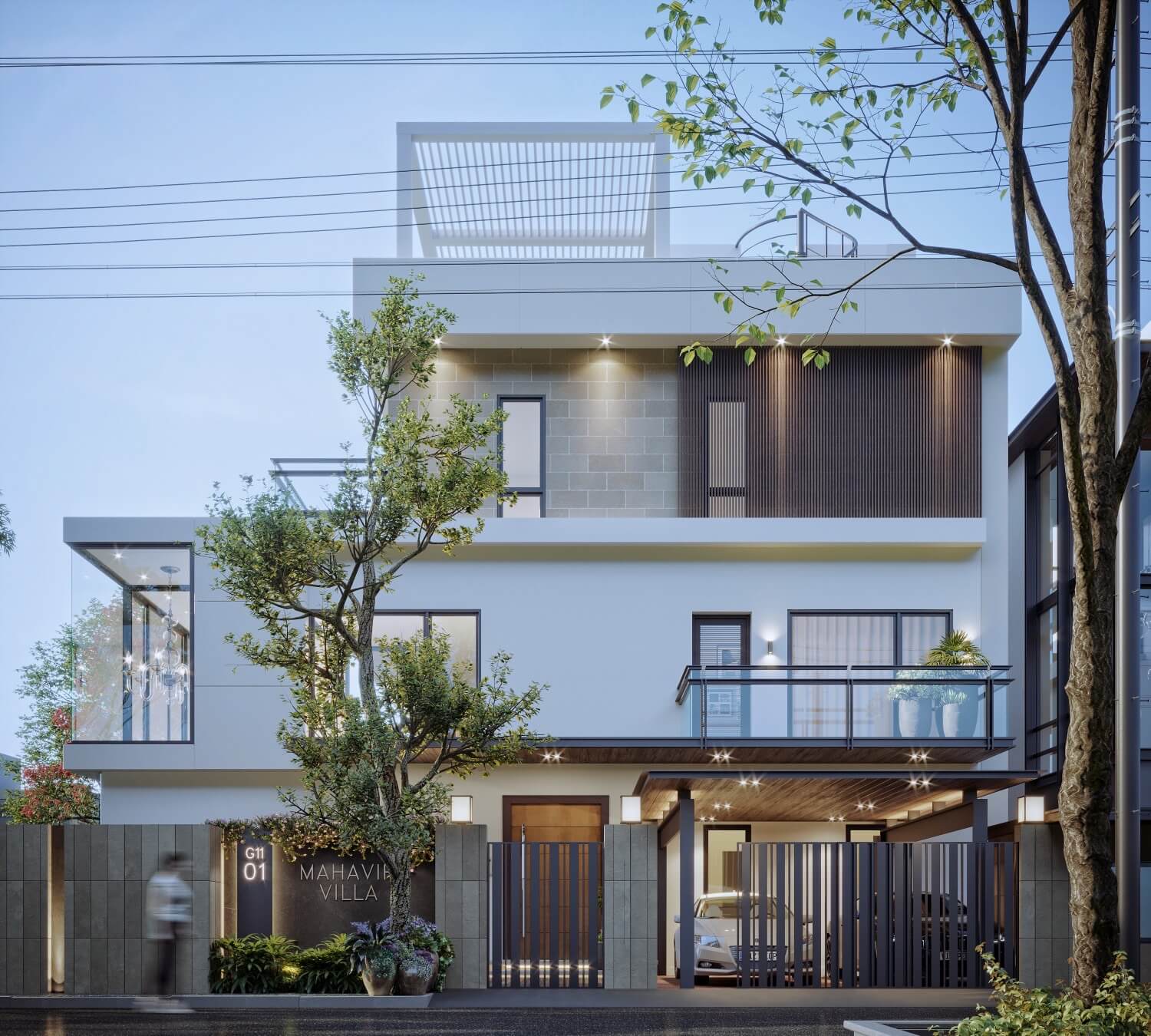
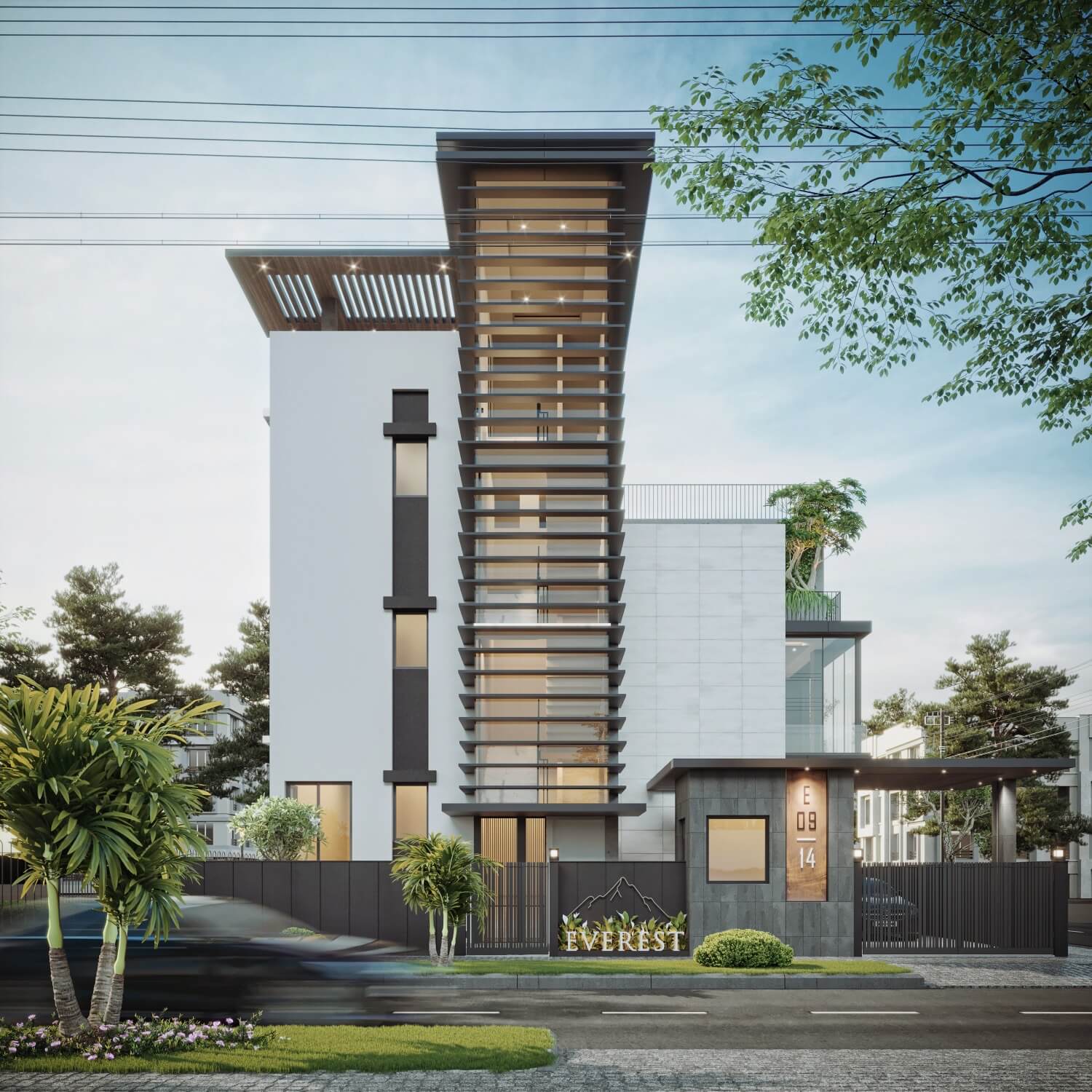
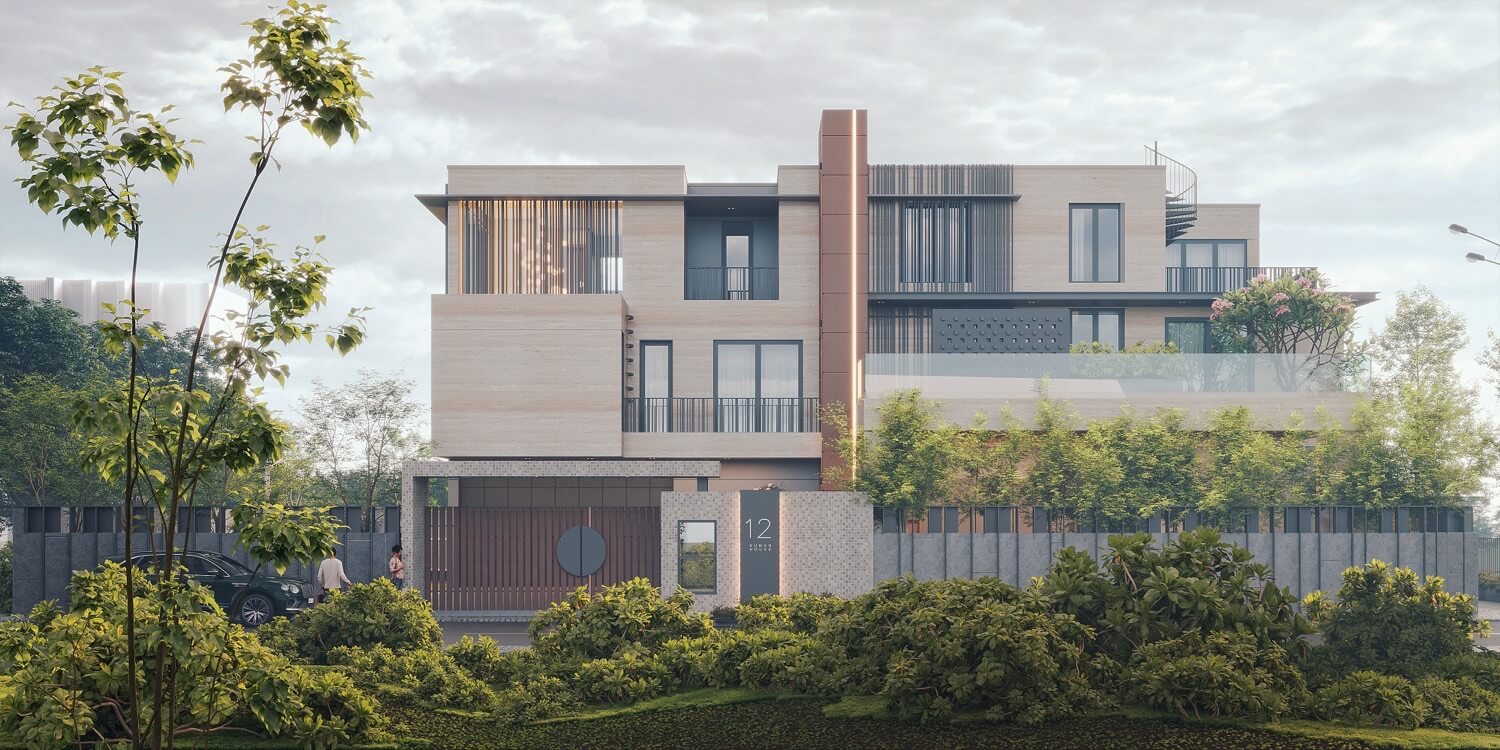
In response, design strategies evolved to incorporate shading systems, layered façades, screens, and solar-control glazing. Materials such as exposed brick, sandstone, limestone, and terracotta regained prominence, valued for their thermal mass, durability, and inherent connection to place. The focus moved from visual lightness to environmental performance, marking a return to grounded, climate-sensitive design.
As the industry progresses into 2026, this shift is becoming more refined and technologically integrated. High-performance systems like double-glazed units (DGU) are now being adopted more widely, balancing transparency with insulation and comfort. At the same time, façades are evolving into hybrid systems—combining glass with solid, earthy materials and integrated shading devices.
A key emerging direction is the incorporation of dynamic lighting within façades, transforming buildings into adaptive, expressive surfaces after dark. This convergence of material intelligence, environmental responsiveness, and technological innovation signals a future where façades are no longer static envelopes, but active, responsive elements of architecture.
Author: Aayush Arya