


Authored by Dr Sidharth Bawa, General Physician, Diabetes & Geriatric Care Specialist at Shremoha When we talk about the well-being of older adults, we often assume that living with family takes care of their emotional needs. Having children and grandchildren around certainly brings comfort, but it does not always mean that a person feels socially …
Authored by Dr Sidharth Bawa, General Physician, Diabetes & Geriatric Care Specialist at Shremoha
When we talk about the well-being of older adults, we often assume that living with family takes care of their emotional needs. Having children and grandchildren around certainly brings comfort, but it does not always mean that a person feels socially connected. Loneliness can exist even in a home full of people, and this is something we need to understand better as we rethink what it means to age well.
As a geriatric care specialist, I believe it is important to look beyond whether an older person has someone at home. We must also ask what their everyday life looks like. Do they have people to talk to about their interests? Do they look forward to meeting someone or taking part in an activity? Do they have friendships that exist independently of their family relationships?
Ageing often brings changes that can quietly reduce these opportunities. Retirement takes away the routine of meeting colleagues. Children become occupied with work and their own families, and losing a spouse or close friends can make the days feel different. Family members may be caring and attentive, yet an older person can still miss the ease of spending time with someone who shares their interests, memories or stage of life.
There is a difference between being alone and feeling lonely. Some seniors enjoy their own company and remain socially fulfilled, while others may feel disconnected despite having people around them. The quality of relationships matters as much as their number. Being able to speak freely, feel understood and share everyday experiences can make a real difference to a person’s sense of belonging.
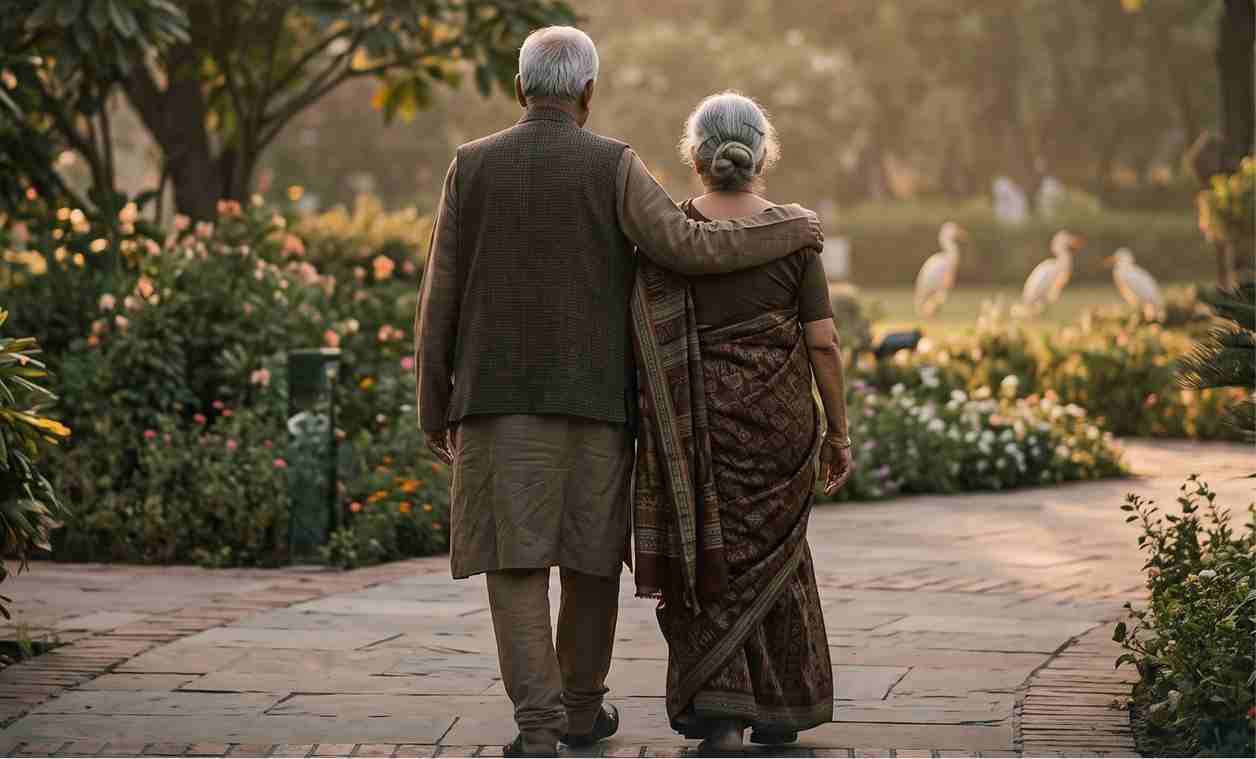
This is not just an emotional concern. Research from the National Institute on Aging has linked loneliness and social isolation in older adults with several health risks, including depression, cardiovascular disease and cognitive decline. While these associations do not necessarily mean that loneliness directly causes these conditions, they highlight why social connection deserves greater attention as an important part of healthy ageing.
One aspect that deserves more attention is the value of friendships among peers. Spending time with people of a similar age or with shared interests can offer a kind of understanding that is difficult to explain but easy to recognise. A conversation over tea, a walk together or participating in a shared hobby may seem like small things. Yet these moments give people something to look forward to and opportunities to form relationships beyond their immediate family.
This is also why senior living communities are worth considering as part of the conversation around healthy ageing. Their value should not be measured only by accommodation or access to healthcare. A thoughtfully designed community can give older adults the freedom to maintain their independence while making social interaction a natural part of daily life. It can also allow families to remain closely involved without being the sole source of companionship.

None of this diminishes the role of family. Regular conversations, shared meals and time spent together remain deeply important. But caring for an ageing parent should also mean recognising their need for friendships, interests and a life that feels meaningful to them.
Perhaps the question we should ask is not simply whether our seniors live with family, but whether they feel connected to the world around them. Growing older should not mean gradually losing one’s social life. The opportunity to make friends, share experiences and feel part of a community remains important at every age.