Every year on the 21st of June, millions of people roll out a mat to mark International Yoga Day. After travelling the world and accumulating countless interpretations along the way, yoga is entering a new chapter in India. A generation that grew up surrounded by wellness trends, fitness cycles and optimisation culture is increasingly looking …
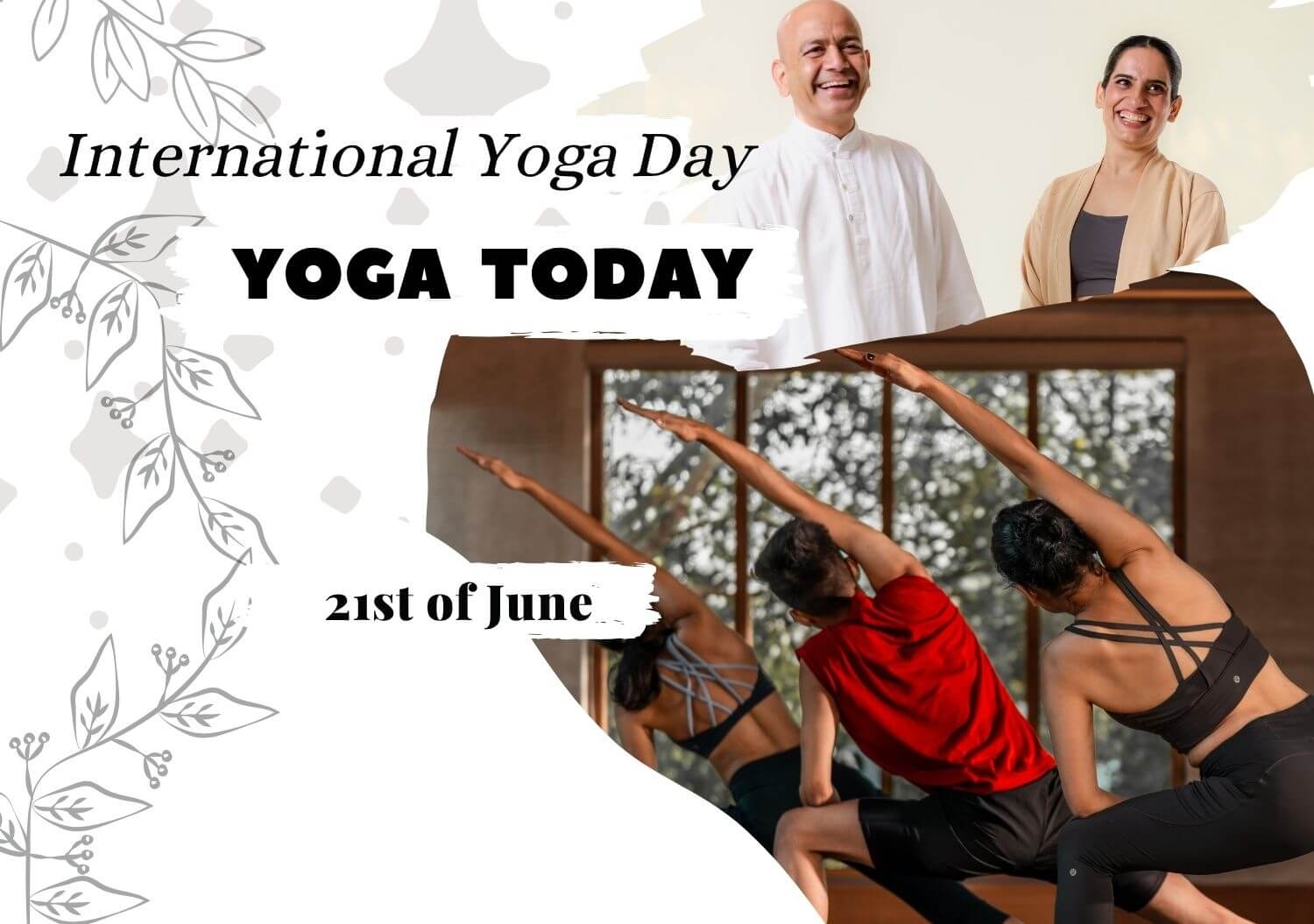
Every year on the 21st of June, millions of people roll out a mat to mark International Yoga Day. After travelling the world and accumulating countless interpretations along the way, yoga is entering a new chapter in India. A generation that grew up surrounded by wellness trends, fitness cycles and optimisation culture is increasingly looking beyond quick fixes and one-size-fits-all solutions. In that search, many are rediscovering a practice that has always accommodated strength and stillness, discipline and recovery, effort and rest.
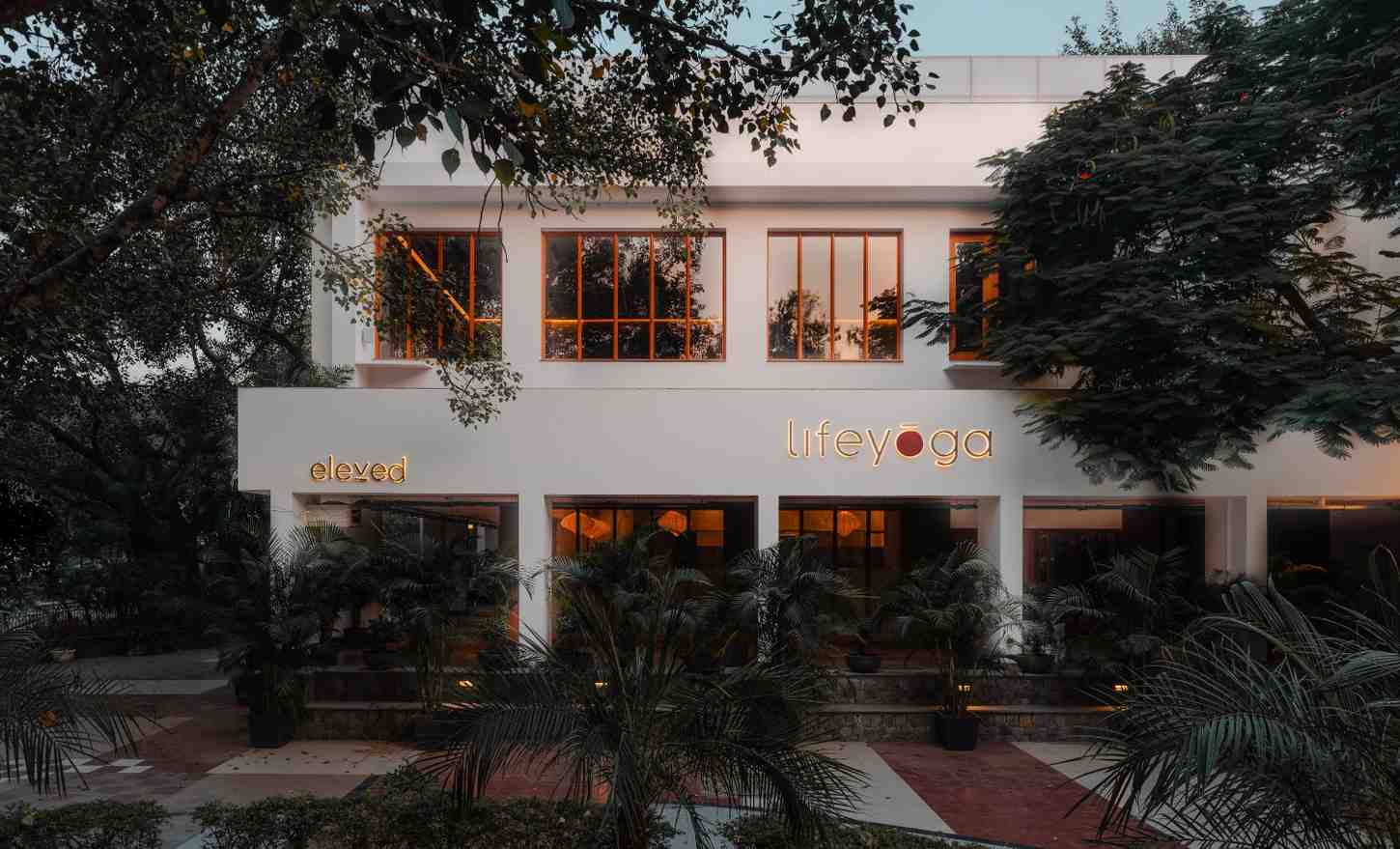
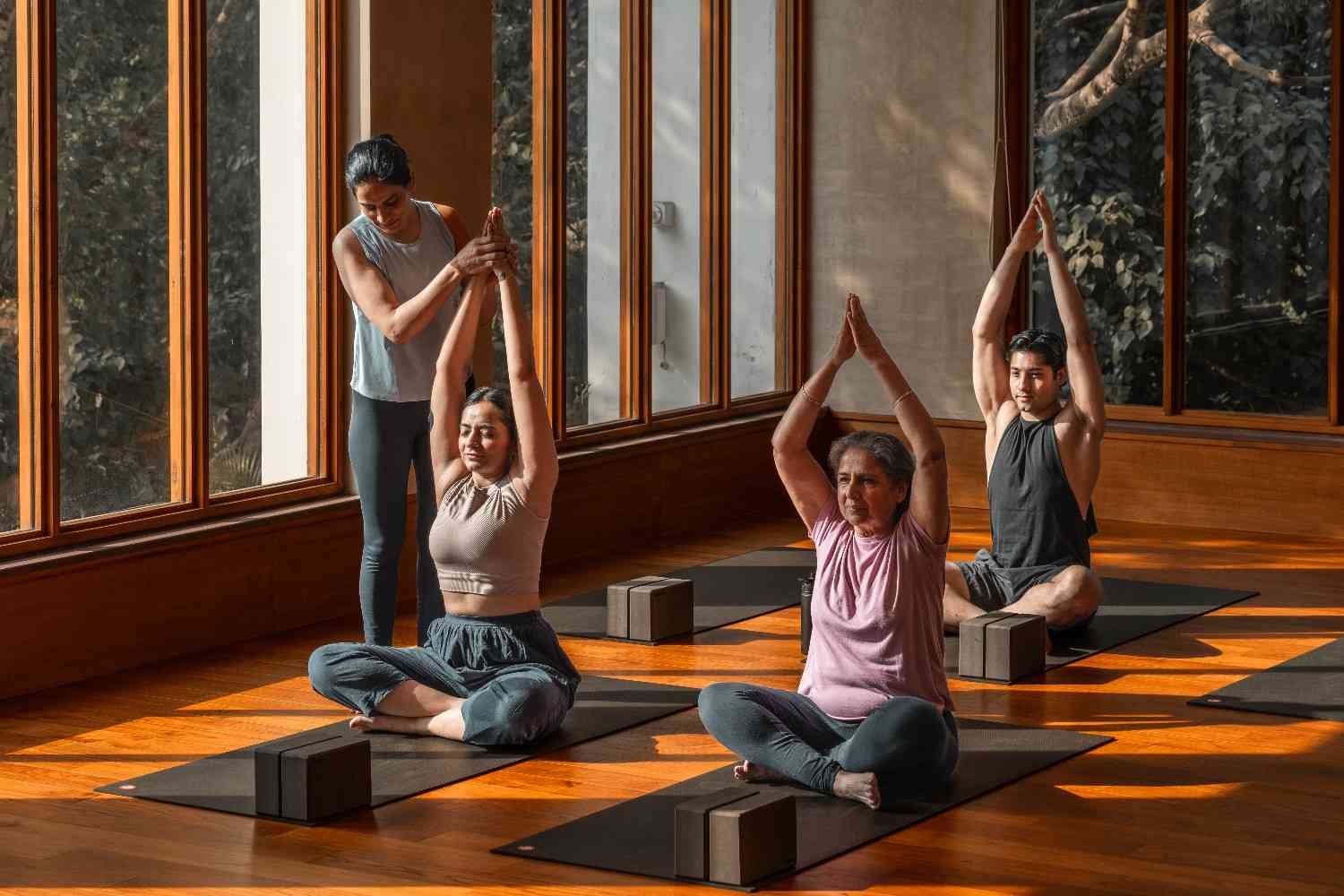
This International Yoga Day, Lifeyoga introduces YOGA RELAY, a day-long programme that reflects that broader understanding of yoga. Across six sessions led by the faculty, the studio explores the many ways people are engaging with the practice today, from endurance and coordination to breathwork, restoration, recovery and relaxation. Moving across multiple teachers and teaching styles within a single session, participants are encouraged to stay present, adapt quickly and maintain focus as the practice evolves around them.
- For those interested in discipline and stamina, Ashtanga Challenge with Ravitabh Sahu explores one of yoga’s most structured traditions. Through breath-synchronised movement and repetitive sequencing, the session develops endurance, concentration and physical resilience.
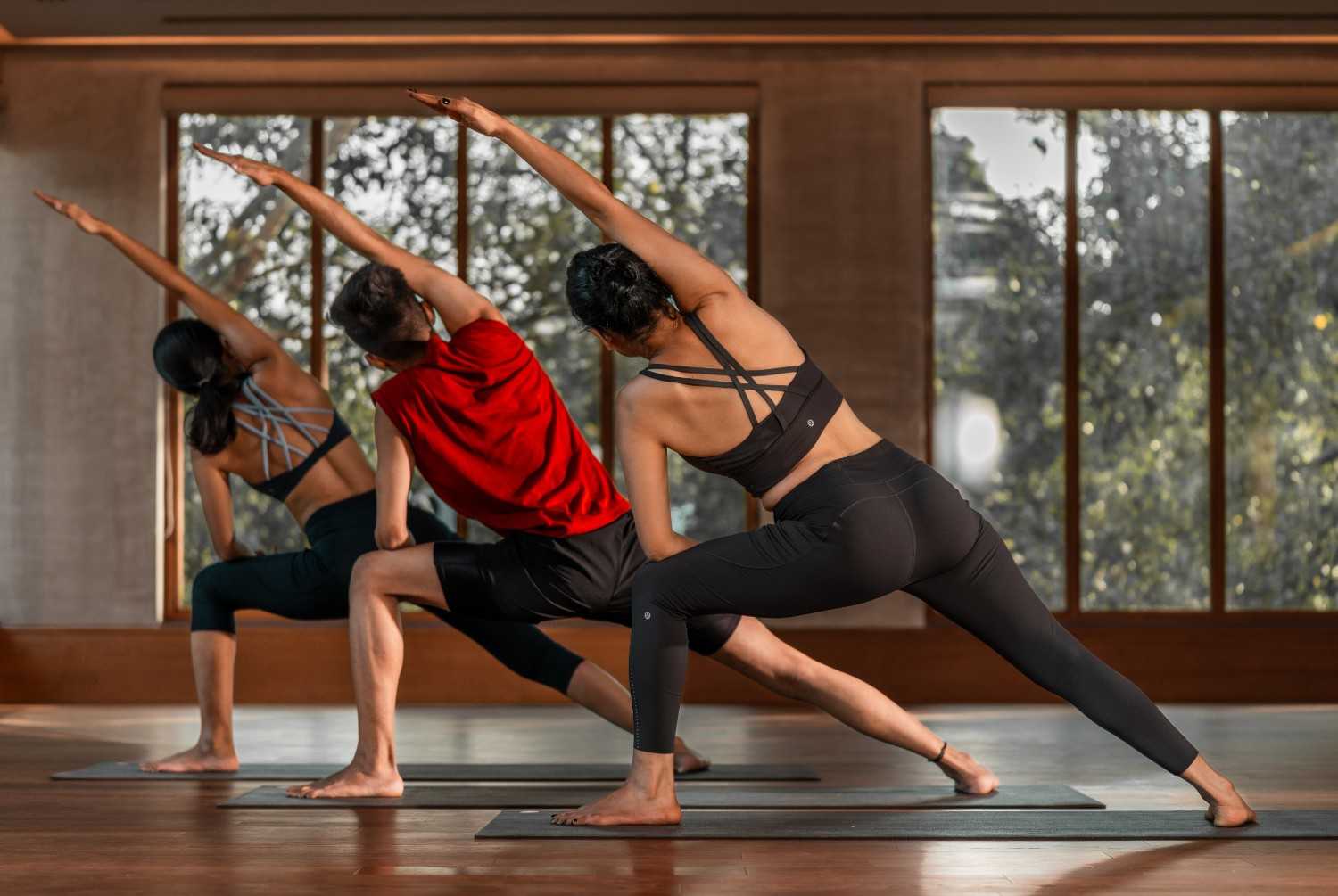
- Dand Yoga, led by Amit Sharma, draws inspiration from traditional Indian movement systems that have long been associated with strength, balance and control. Combining dynamic movement with bodyweight conditioning, the practice offers a powerful workout while improving coordination and mobility.
- In Rhythm Yoga, Neha Budha approaches yoga through flow, cadence and continuity. The session focuses on fluid movement patterns, helping participants build body awareness, improve coordination and move with greater confidence and ease.
- Later in the day, Hatha Detox with Dr Tanu Singh (co-founder of Lifeyoga) brings attention to restoration and regulation. Through foundational postures and breath-led practices, the session supports circulation, encourages mental clarity and creates space for physical reset.
- The programme concludes with Kama & Yin, led by Pankaj Rana. Centred on longer-held postures and intentional stillness, the session works deeply into connective tissues while supporting flexibility, relaxation and recovery.
- Wheel Yoga with Weights, led by Neha Budha, uses the yoga wheel as a tool for deepening poses while introducing light resistance. The session builds stability and flexibility in equal measure, adding a layer of physical challenge to familiar movement.
- A Sound Healing Session with Pragya Singh and Priti Karediya moves away from physical practice entirely, using resonant sound to guide participants into stillness. The experience works on the nervous system, inviting deep rest and a quieting of mental activity.
- Sivananda Style Yoga with Anuj Rana brings one of India’s most established classical traditions. Structured around a fixed sequence of asanas and pranayama, the session balances effort with ease and offers a grounding, methodical approach to practice.
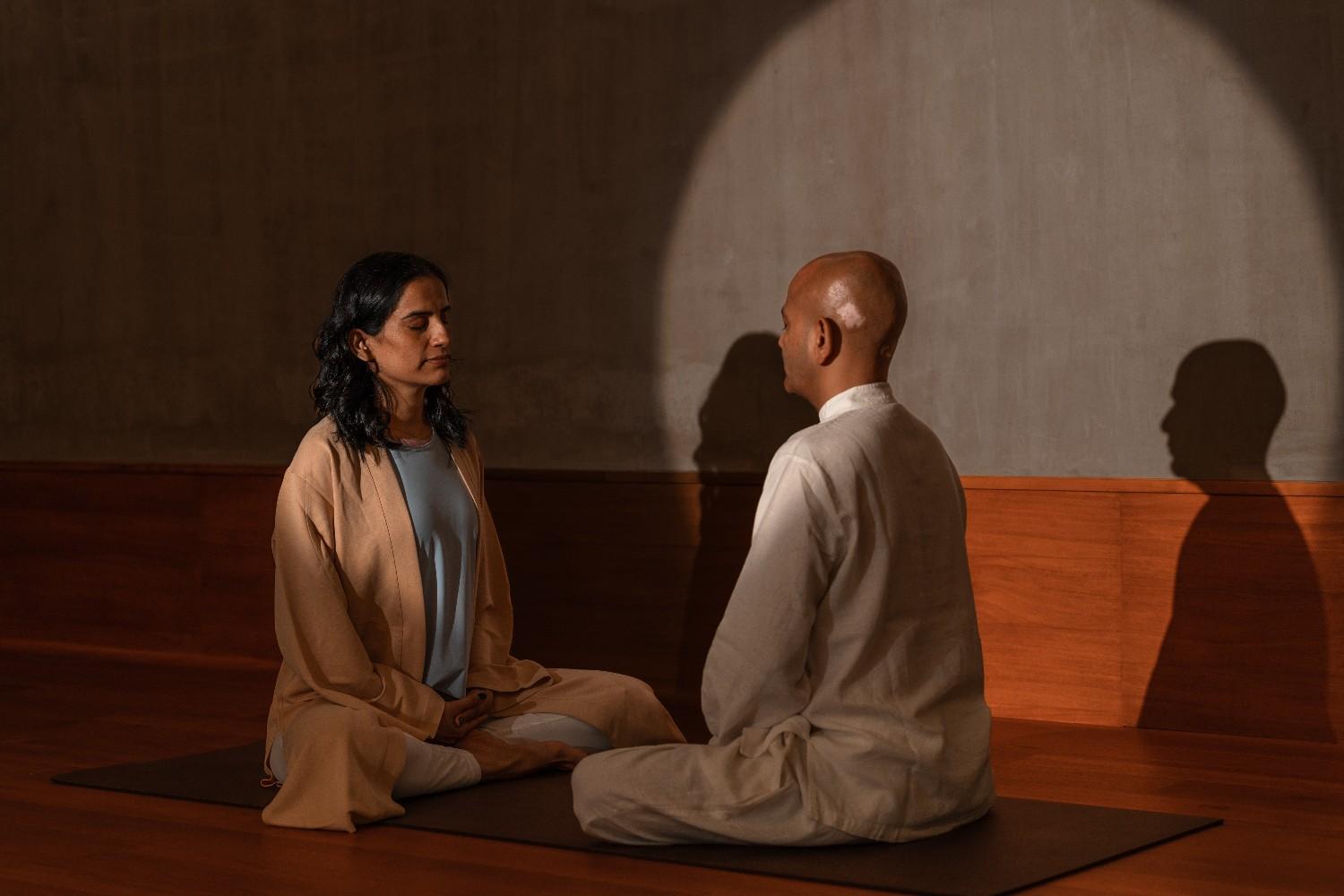
- Dr. Varun Veer’s (founder of Lifeyoga) Talk and Meditation creates space for reflection alongside seated practice. Part inquiry, part guided inward turn, the session offers participants a way to connect what they experience on the mat to how they move through daily life.
- Dance Flow, led by Dida, brings energy and spontaneity to the evening. Drawing on rhythm, free movement and the joy of physical expression, the session loosens the body and lifts the mood, requiring no prior dance experience.
- The day closes with Vinyasa Challenge with Siddharth Singh, built around breath-linked sequences that progressively build in intensity. The practice demands focus and rewards those looking to push their edge before the day winds down.
Viewed together, the programme offers a snapshot of what people are prioritising today: stronger bodies, better recovery, greater physical awareness and more sustainable ways of caring for long-term wellbeing. Perhaps that is the enduring appeal of yoga. It continues to evolve with the people who practise it, while retaining the depth that made it relevant in the first place.
YOGA RELAY at Lifeyoga | 21 June 2026 | Programming:
7:00 AM – 8:30 AM
Yoga Relay
Faculty: Priti Karediya, Neha Budha & Shikha
Venue: Ekam
8:00 AM – 9:30 AM
Ashtanga Challenge
Faculty: Ravitabh Sahu
Venue: Dwe & Trini
9:00 AM – 10:15 AM
Dand Yoga
Faculty: Amit Sharma
Venue: Ekam
10:00 AM – 11:00 AM
Rhythm Yoga
Faculty: Neha Budha
Venue: Dwe & Trini
10:30 AM – 11:30 AM
Hatha Detox
Faculty: Dr Tanu Singh
Venue: Ekam
11:45 AM – 1:00 PM
Kama & Yin
Faculty: Pankaj Rana
Venue: Dwe & Trini
12:00 PM – 1:00 PM
Wheel Yoga with Weights
Faculty: Neha Budha
Venue: Ekam
1:30 PM – 2:30 PM
Sound Healing Session
Faculty: Pragya Singh & Priti Karediya
Venue: Dwe & Trini
3:00 PM – 4:00 PM
Sivananda Style Yoga
Faculty: Anuj Rana
Venue: Dwe & Trini
3:00 PM – 4:00 PM
Talk & Meditation
Faculty: Dr. Varun Veer
Venue: Dwe & Trini
5:30 PM – 6:30 PM
Dance Flow
Faculty: Dida
Venue: Ekam
6:00 PM – 7:00 PM
Vinyasa Challenge
Faculty: Siddharth Singh
Venue: Dwe & Trini
Please note, spots for this are limited. For bookings please contact: 084489 83718