
Raghu Villa is not a store, not a hotel, not a gallery. It is one of Jaipur's last surviving pre-independence residential bungalows, preserved, not reinvented, and it has quietly become one of the city's most alive cultural spaces. We believe it is a story that your readers would love, and one that feels very much …
Raghu Villa is not a store, not a hotel, not a gallery. It is one of Jaipur’s last surviving pre-independence residential bungalows, preserved, not reinvented, and it has quietly become one of the city’s most alive cultural spaces. We believe it is a story that your readers would love, and one that feels very much at home.
Curated by Jess Golcha of the Golcha Group, this restored C-Scheme bungalow carries the legacy of a man she never met—and is now one of the most vibrant spaces in the Pink City
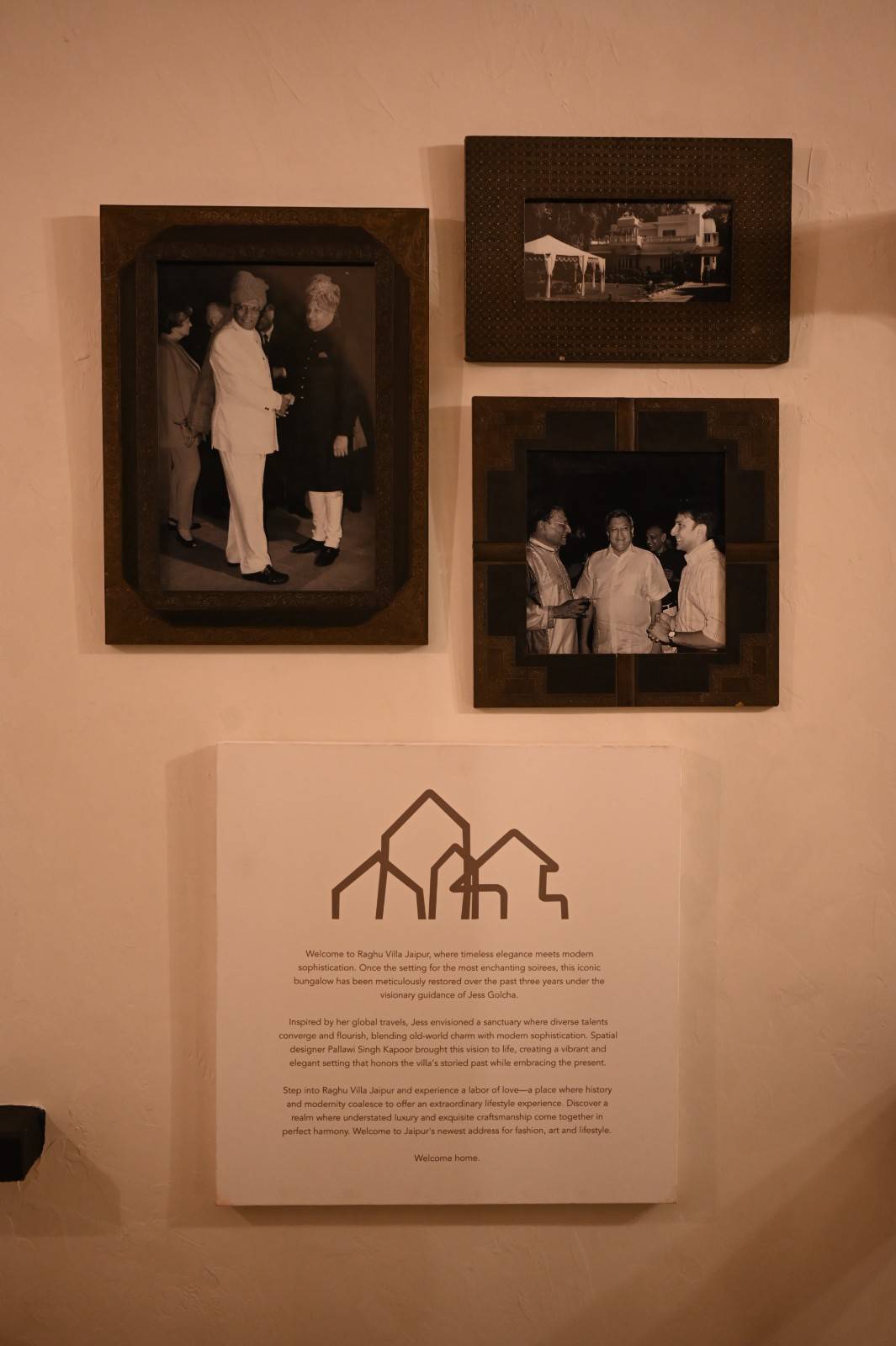
Jess Golcha never met Raghu Sinha. But she knows the way he held a room. She knows the kind of evenings he threw at his Little Residency in C-Scheme — the people he gathered, the conversations he kept going, the particular feeling of not wanting to leave. She knows these things the way you know someone through the people who loved them: through stories told with the specific tenderness that only loss produces. When it came time to name her space, there was no other choice.
Raghu Villa opened in one of Jaipur’s last surviving 1920s residential bungalows — a structure that industrialist Raghu Sinha built as part of his personal compound in C-Scheme, in a neighbourhood that has spent the last decade quietly becoming something else. Banks. Offices. Commercial facades. One by one, the old residential fabric has made way. Raghu Villa has not moved.
The Golcha family — whose name is threaded through Jaipur’s history, from the late Seth Sohanmull Golcha’s legacy in mining, trade, and construction, to the iconic Golcha Cinema, the city’s beloved 1954 art deco theatre — acquired the bungalow after Raghu Sinha’s passing with a single intention: preservation over profit. It was Jess, who moved to Jaipur from Mumbai and was immediately drawn into the city’s layered, princely past, who saw what the space could become.
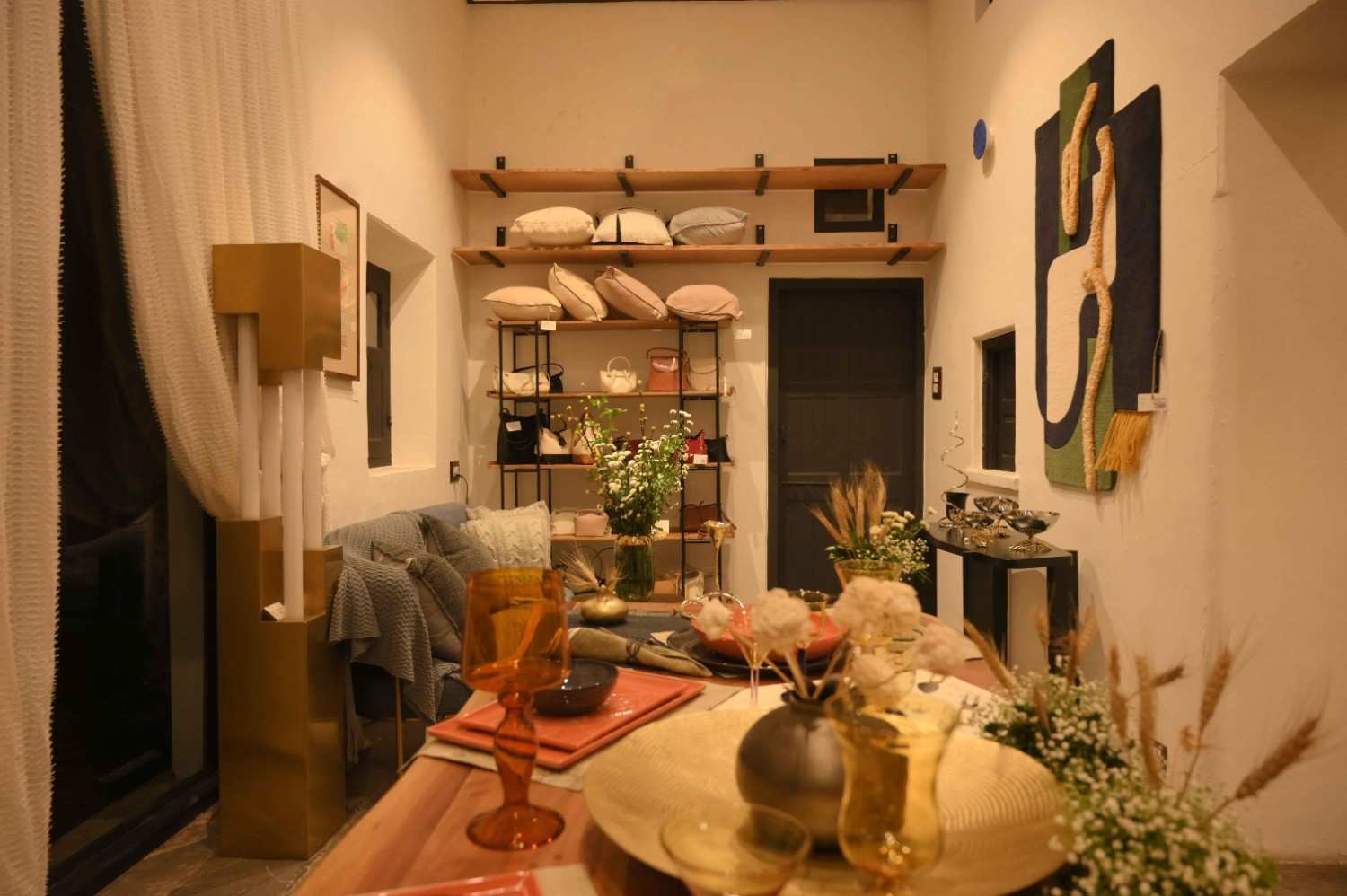
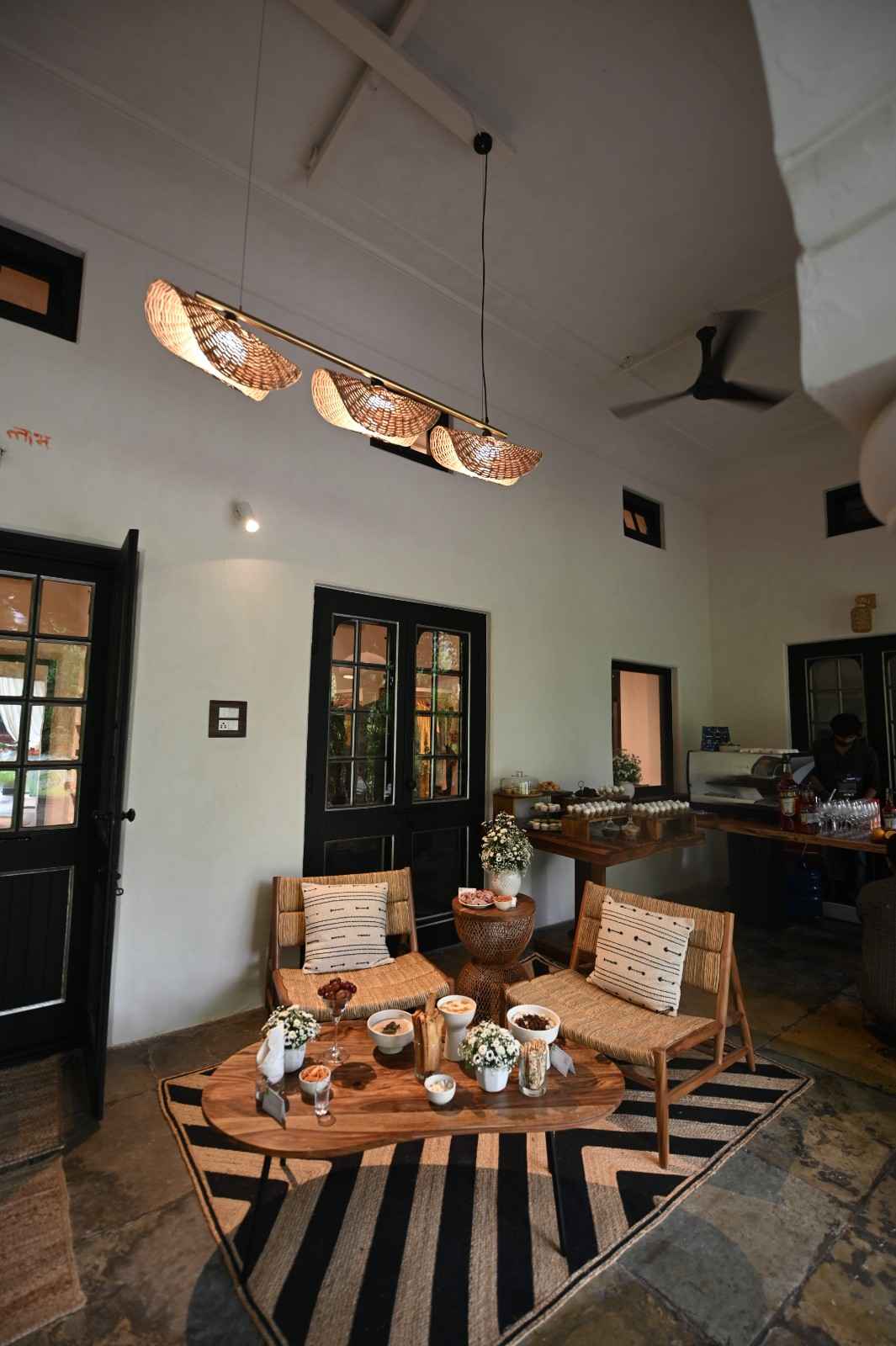
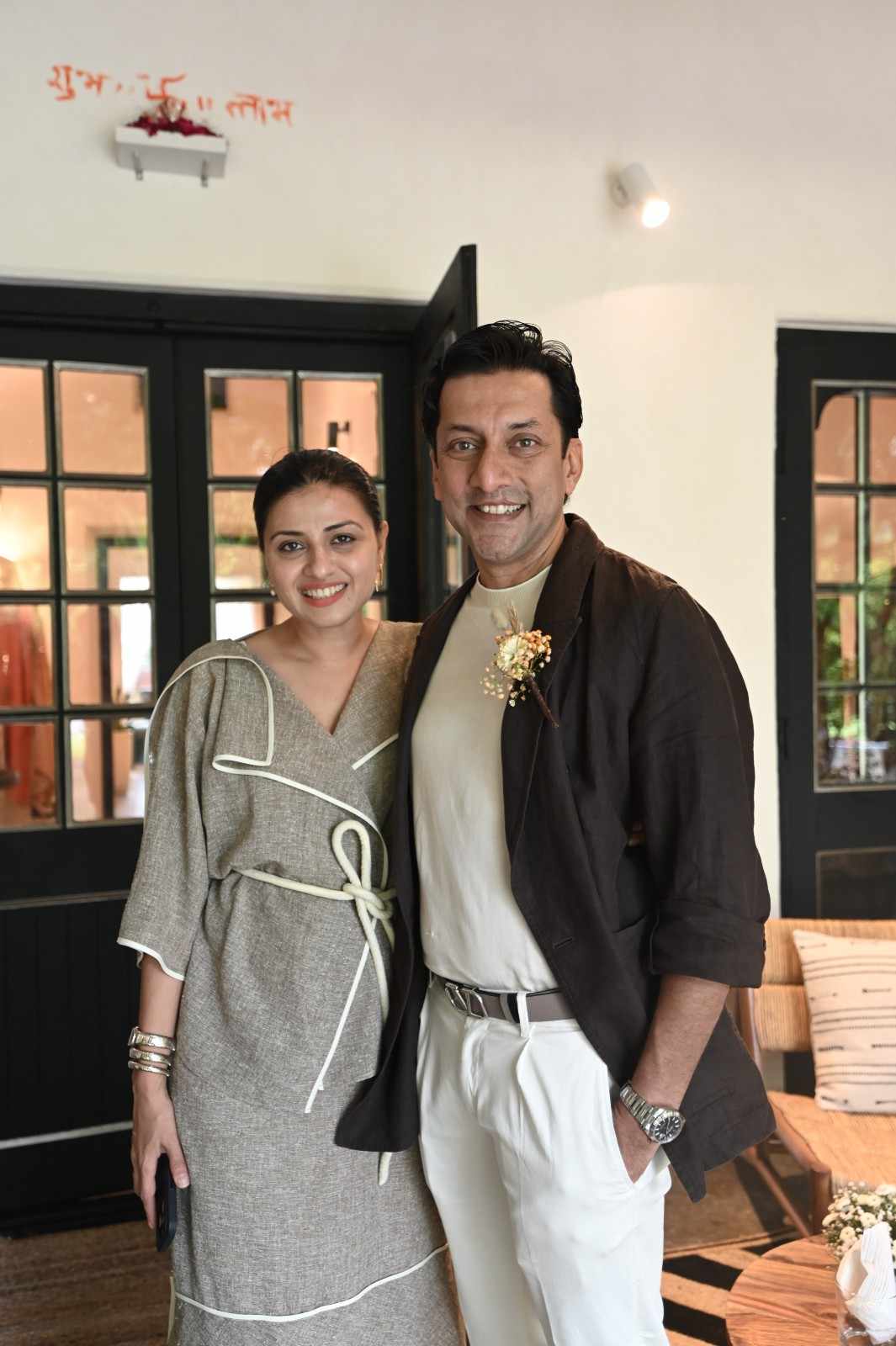
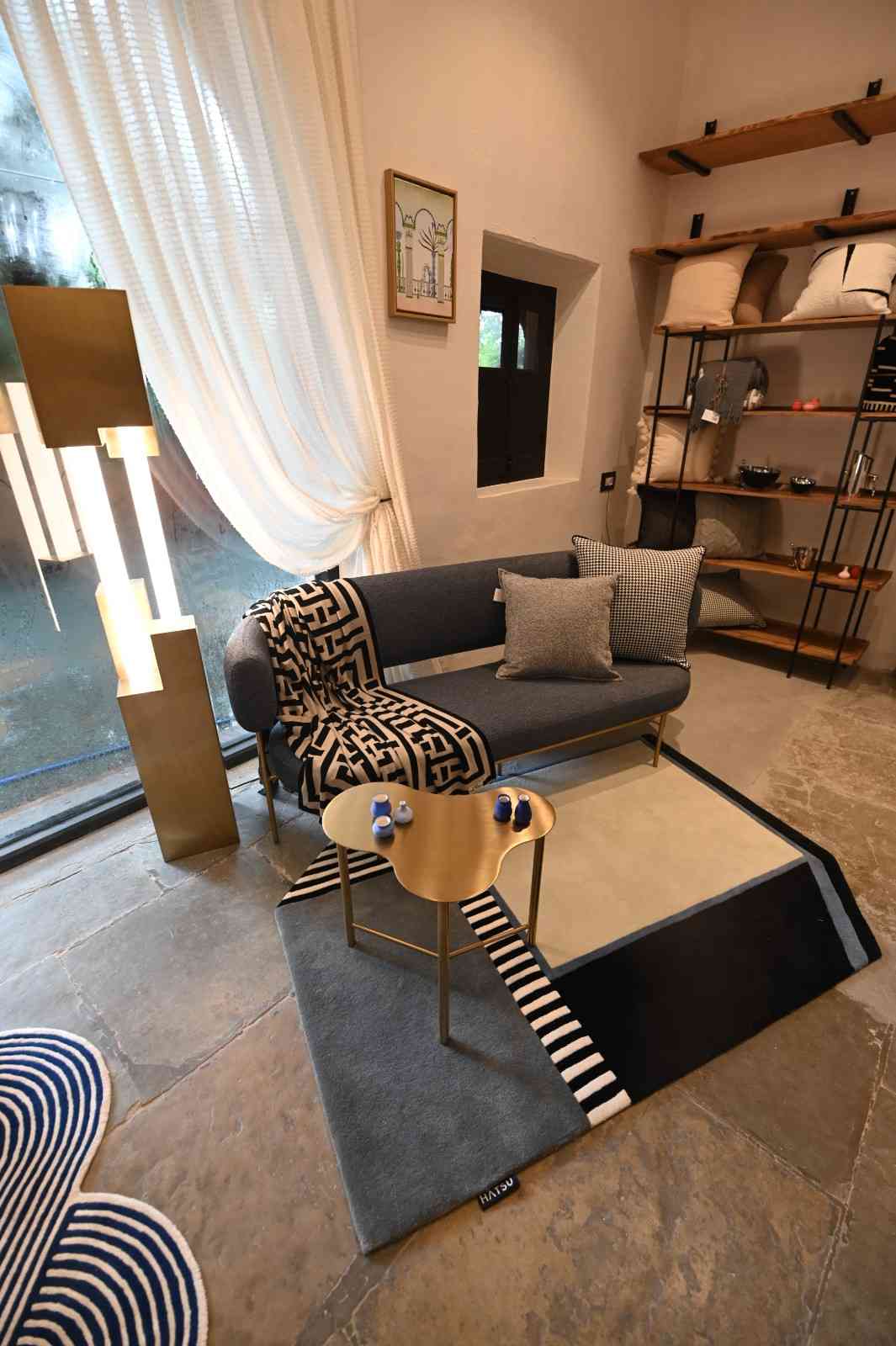
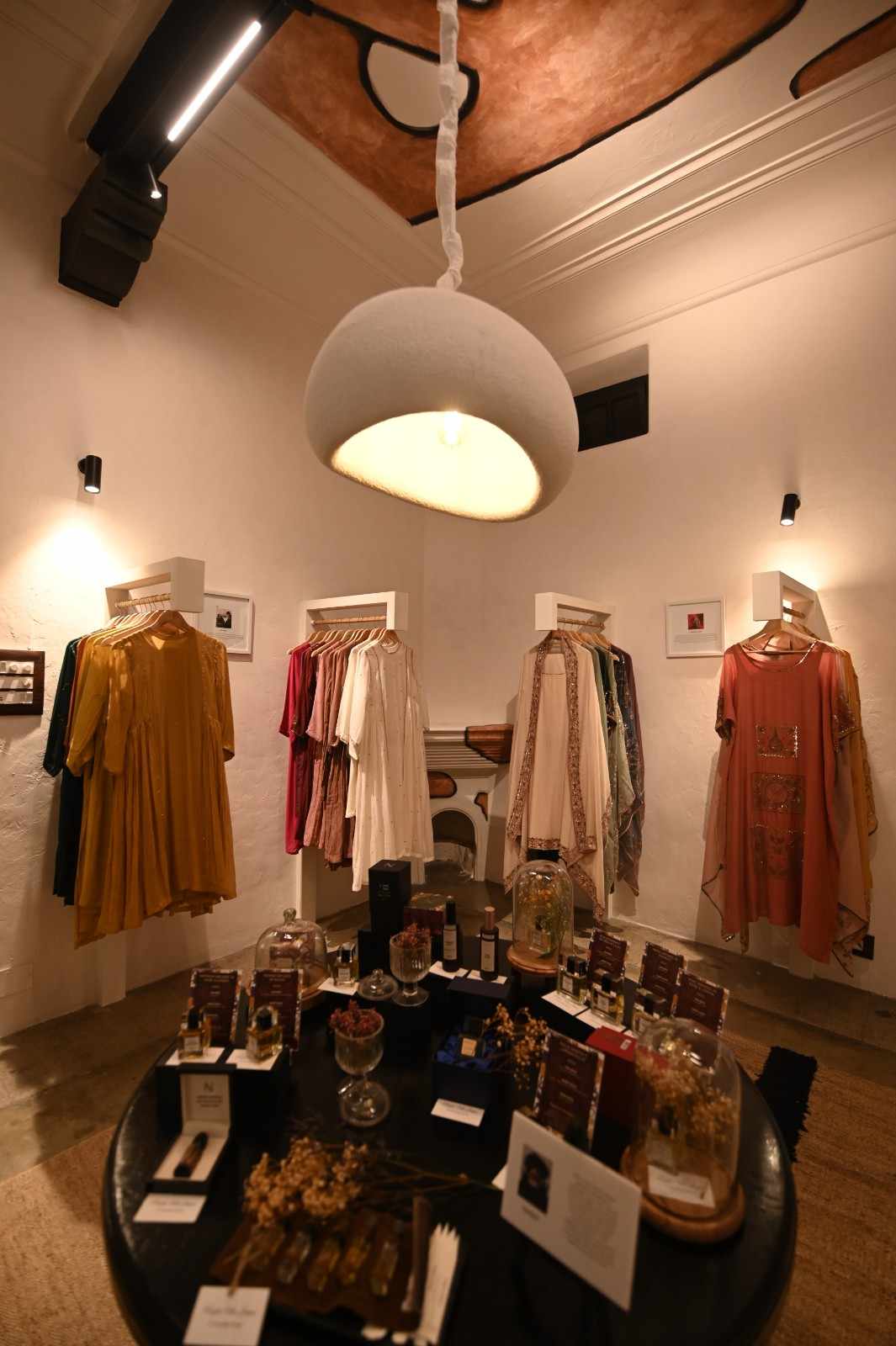
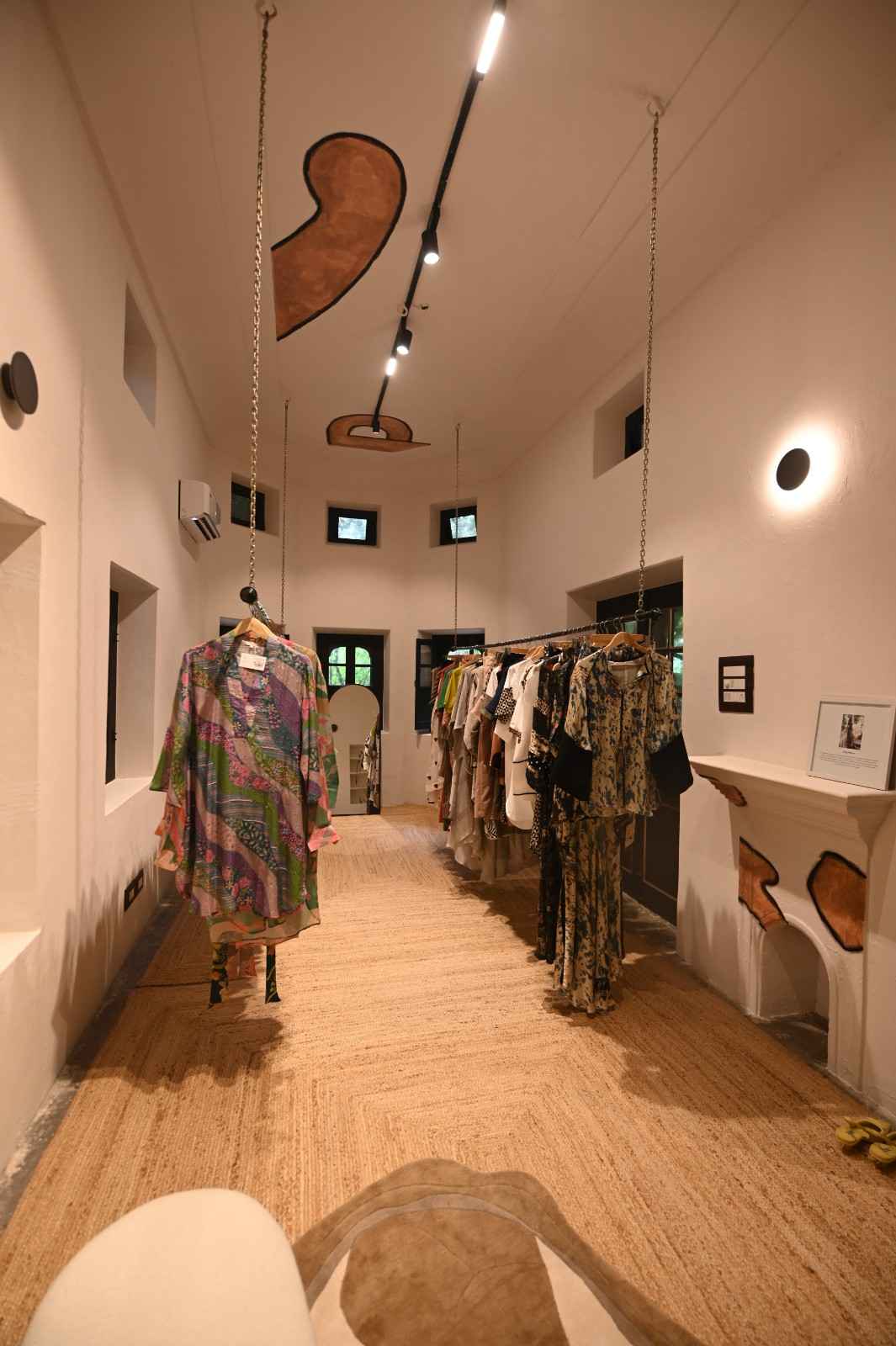
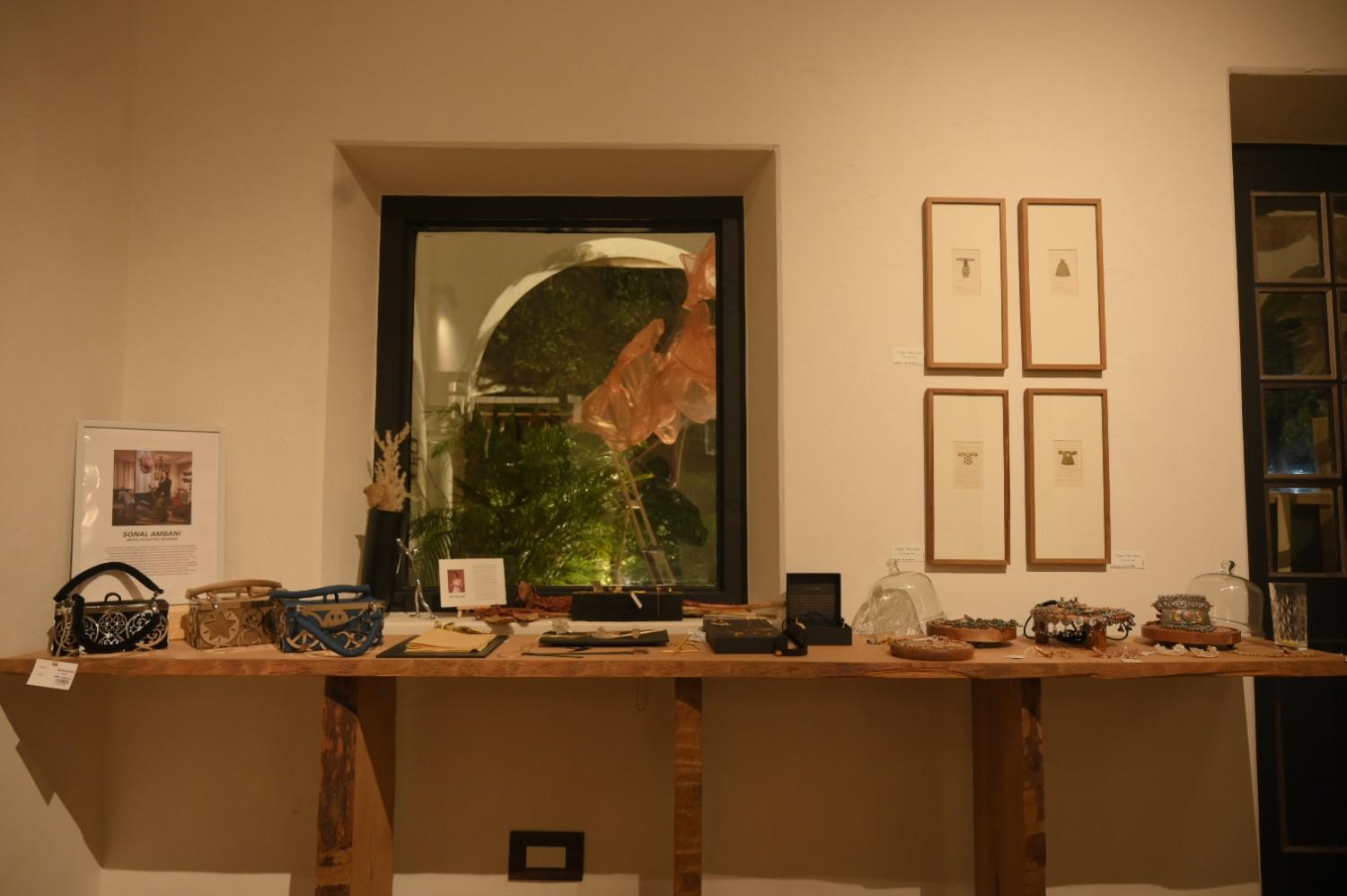
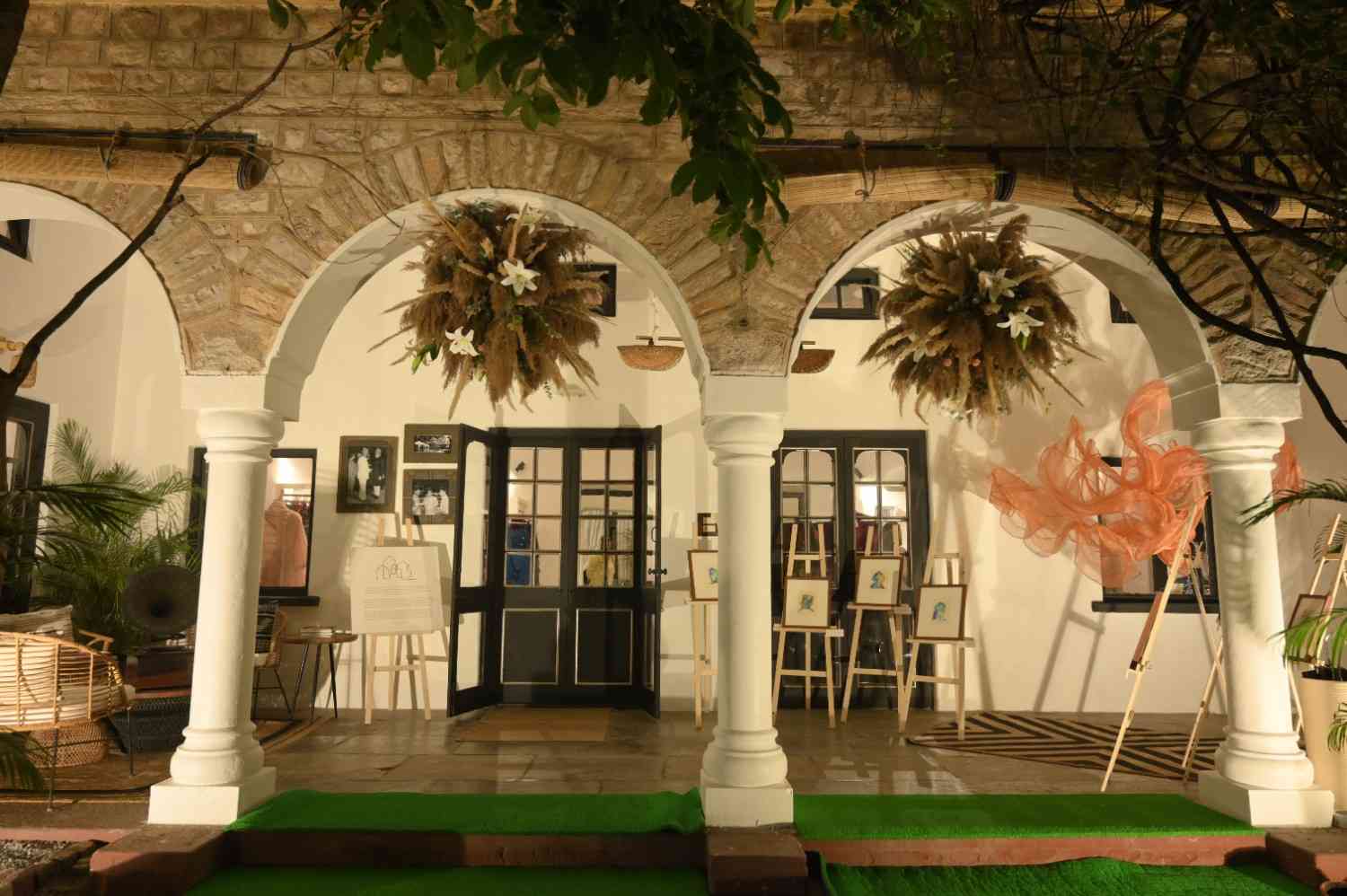
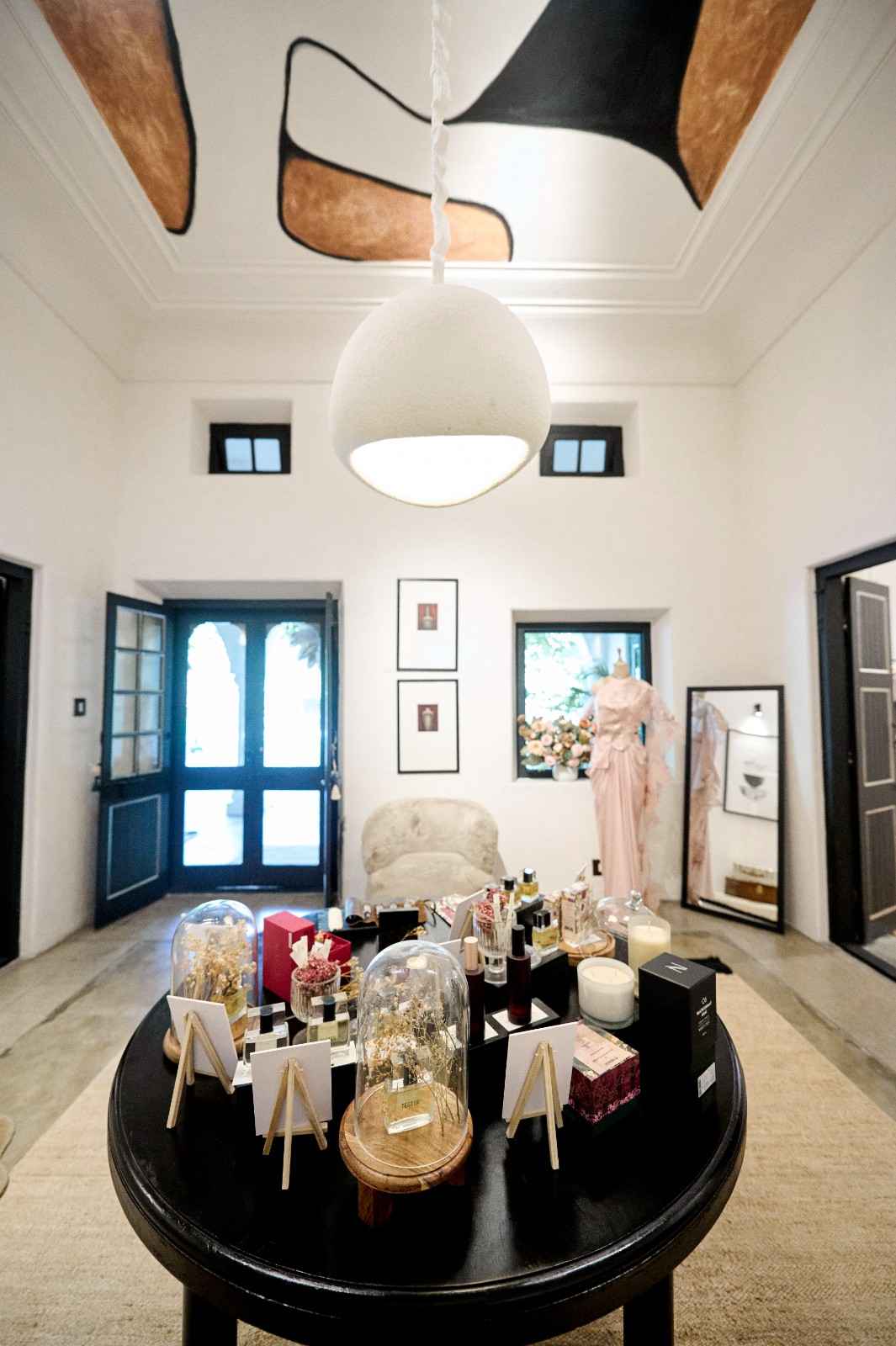
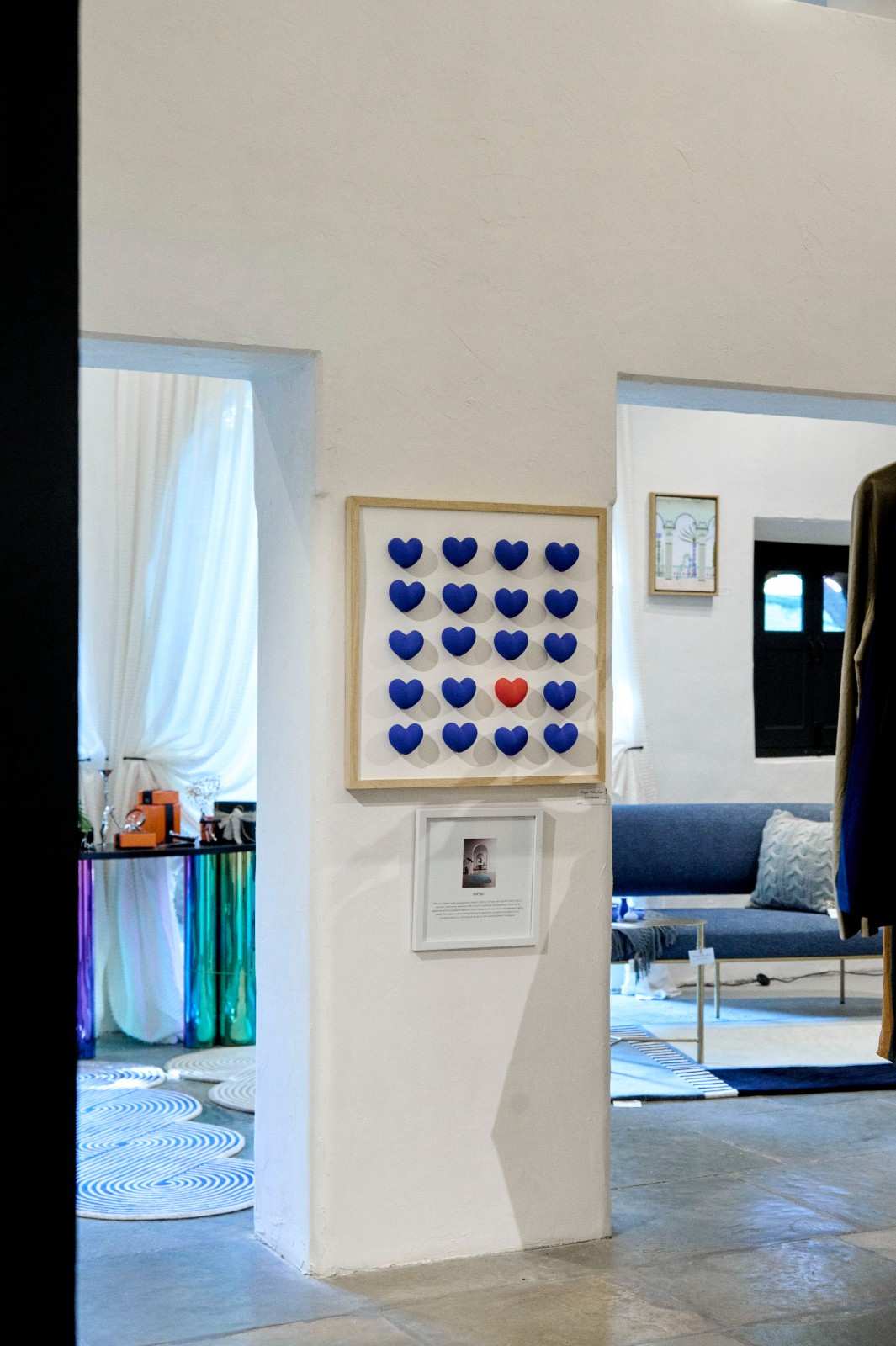
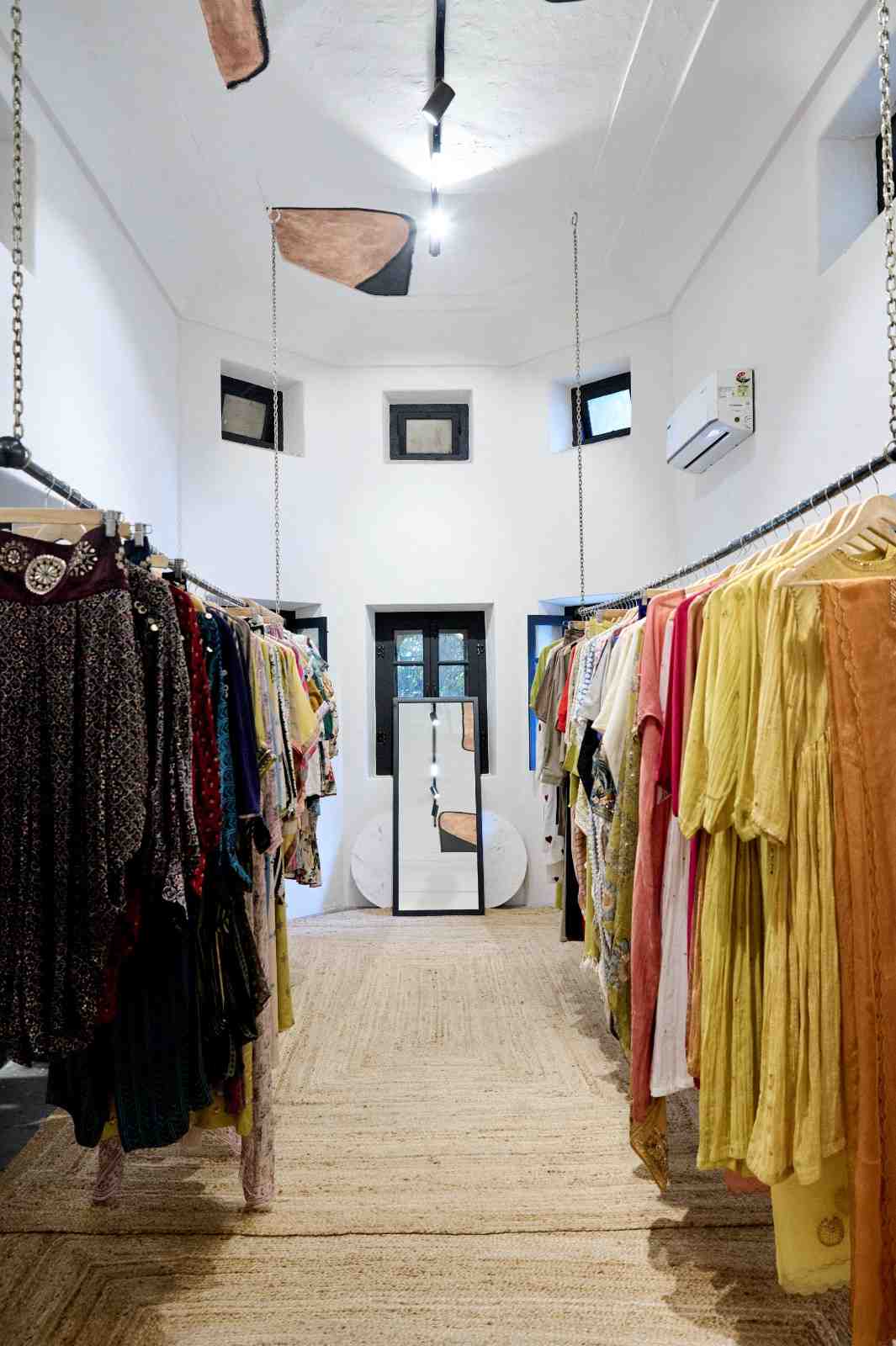
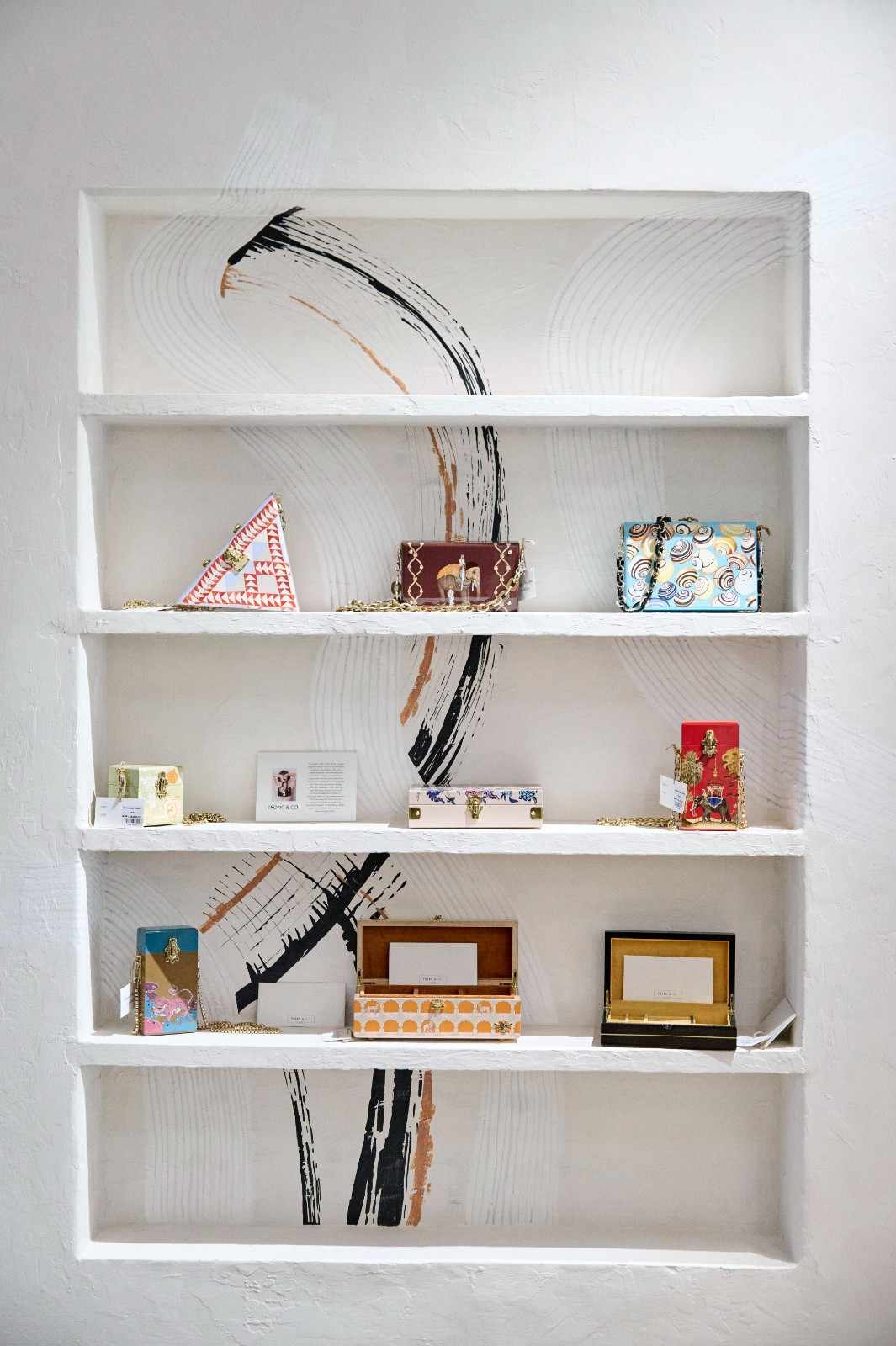
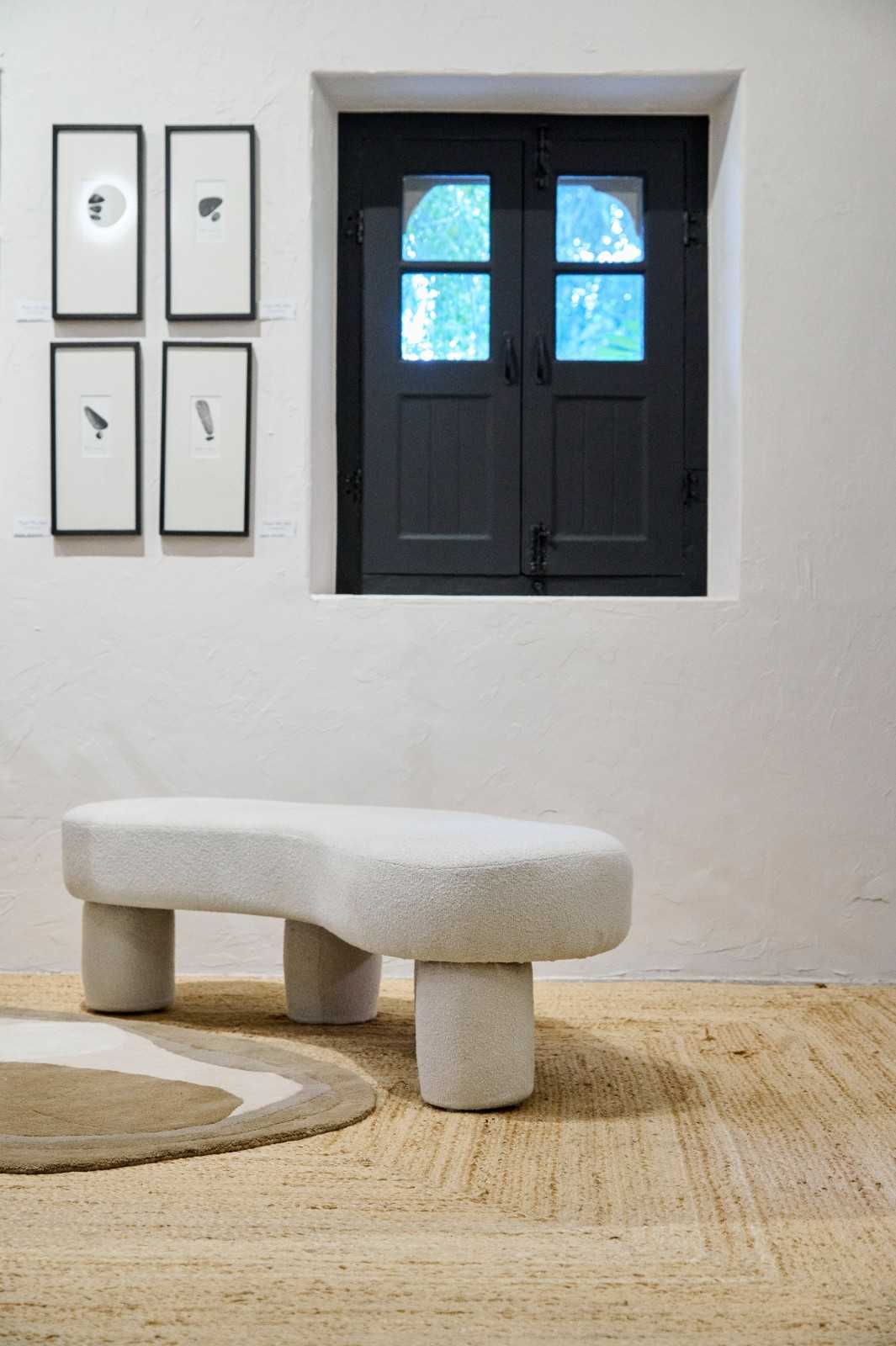
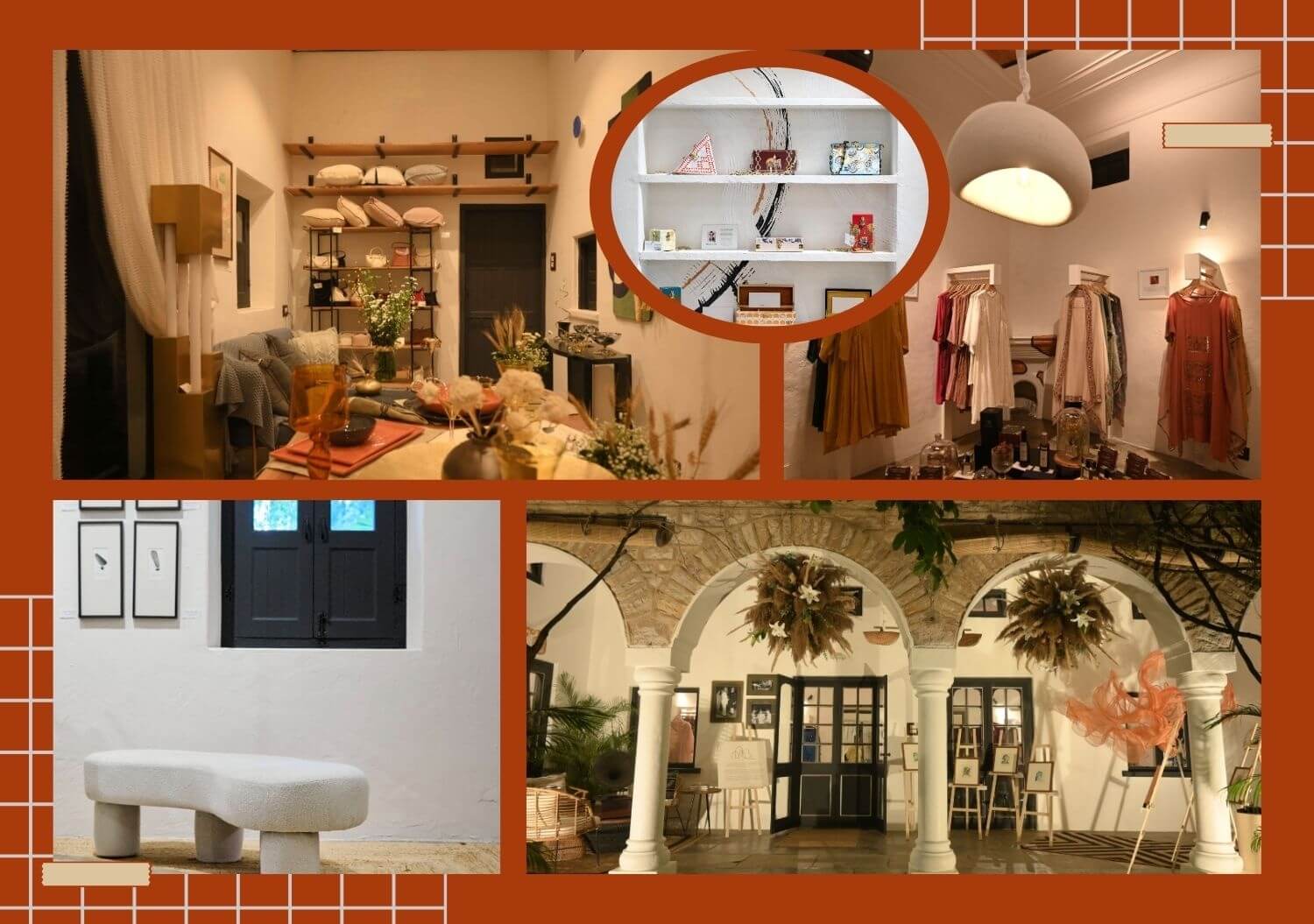
The restoration, which Jess led with designer Pallavi Kapoor, is most remarkable for what it left alone. All original doors and hardware were retained. The structure’s natural cross-ventilation — the result of a deliberate 1920s orientation that pulls cool air through the rooms year-round — was left entirely untouched. No ceiling fans were added. Textured plaster finishes preserve the uneven warmth of old walls. The only new gesture is a hand-finished ceiling artwork, softened with charcoal, that introduces a single layer of contemporary expression without overwhelming the shell it lives in. The space, as Jess describes it, was not modernised. It was edited.
What exists now is harder to categorise than most spaces and that is precisely the point. Raghu Villa is part concept store, part gallery, entirely a living room. It hosts fashion presentations, art, intimate gatherings and conversations. People come for an hour and stay for the afternoon. They come back the following week. In a city celebrated for its forts and palaces, Raghu Villa offers something quieter and, for many visitors, more surprising: a window into early 20th-century residential Jaipur, held together by the memory of a man who knew how to make people feel at home.
ABOUT RAGHU VILLA
Raghu Villa is a restored 1920s bungalow in C-Scheme, Jaipur — one of the last surviving residential structures of its era in the neighbourhood. Originally built by industrialist Raghu Sinha as his personal Little Residency, the property was acquired and preserved by the Golcha family. It is curated today by Jess and Abhimanyu Golcha as a cultural destination: part concept store, part gallery, part café. The restoration was designed by Jess Golcha with Pallavi Kapoor. Raghu Villa is not a store, not a hotel, not a gallery. It is a living room that Jaipur is invited into.