
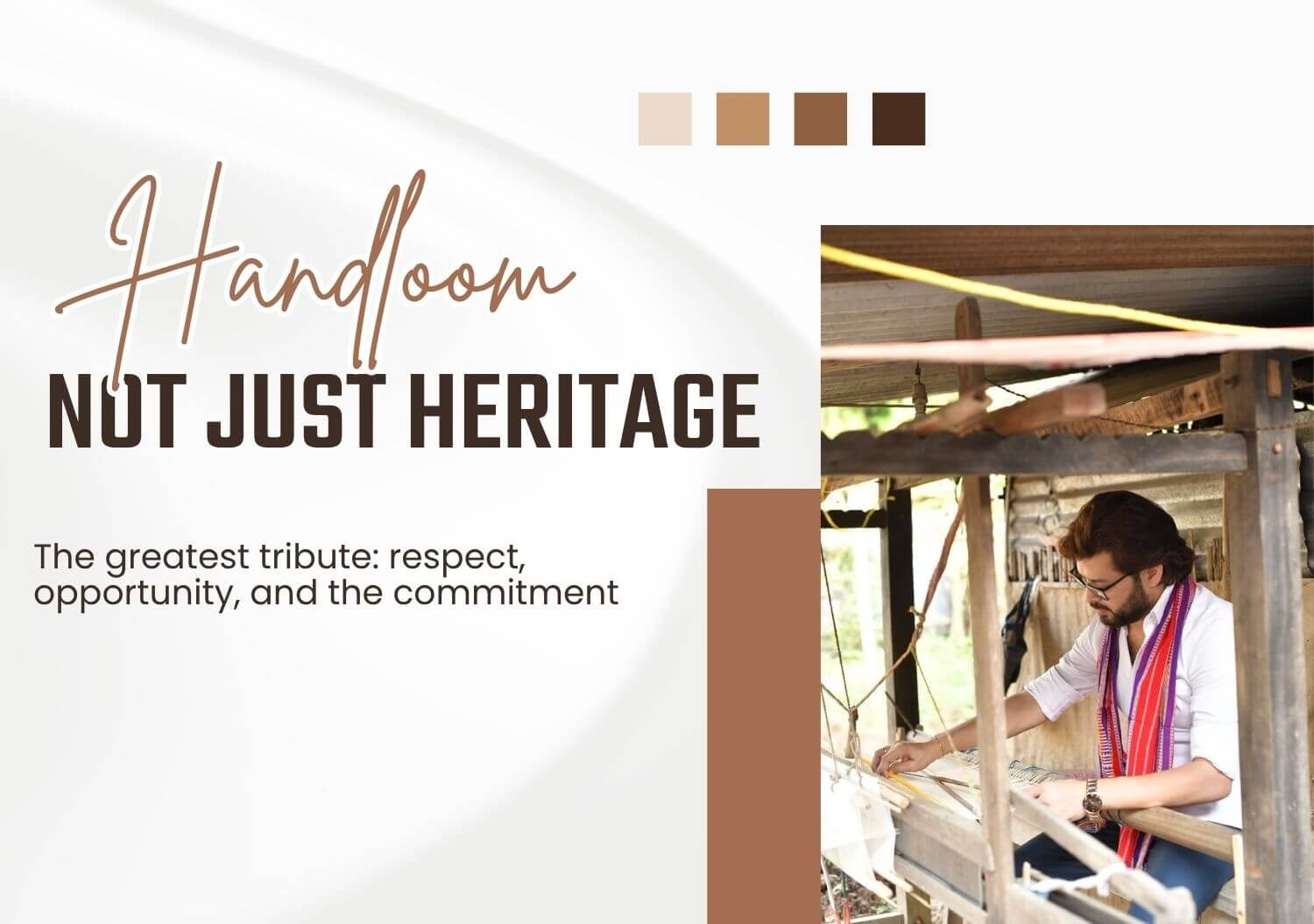
As India celebrates National Handloom Day, designer Manish Tripathi believes the future of Indian handlooms depends not just on preserving tradition, but on telling its story better, innovating responsibly, and creating sustainable opportunities for the artisans who have safeguarded the country's textile heritage for generations. Known for designing Ram Lalla's attire, the Axiom Mission insignia, …
As India celebrates National Handloom Day, designer Manish Tripathi believes the future of Indian handlooms depends not just on preserving tradition, but on telling its story better, innovating responsibly, and creating sustainable opportunities for the artisans who have safeguarded the country’s textile heritage for generations.
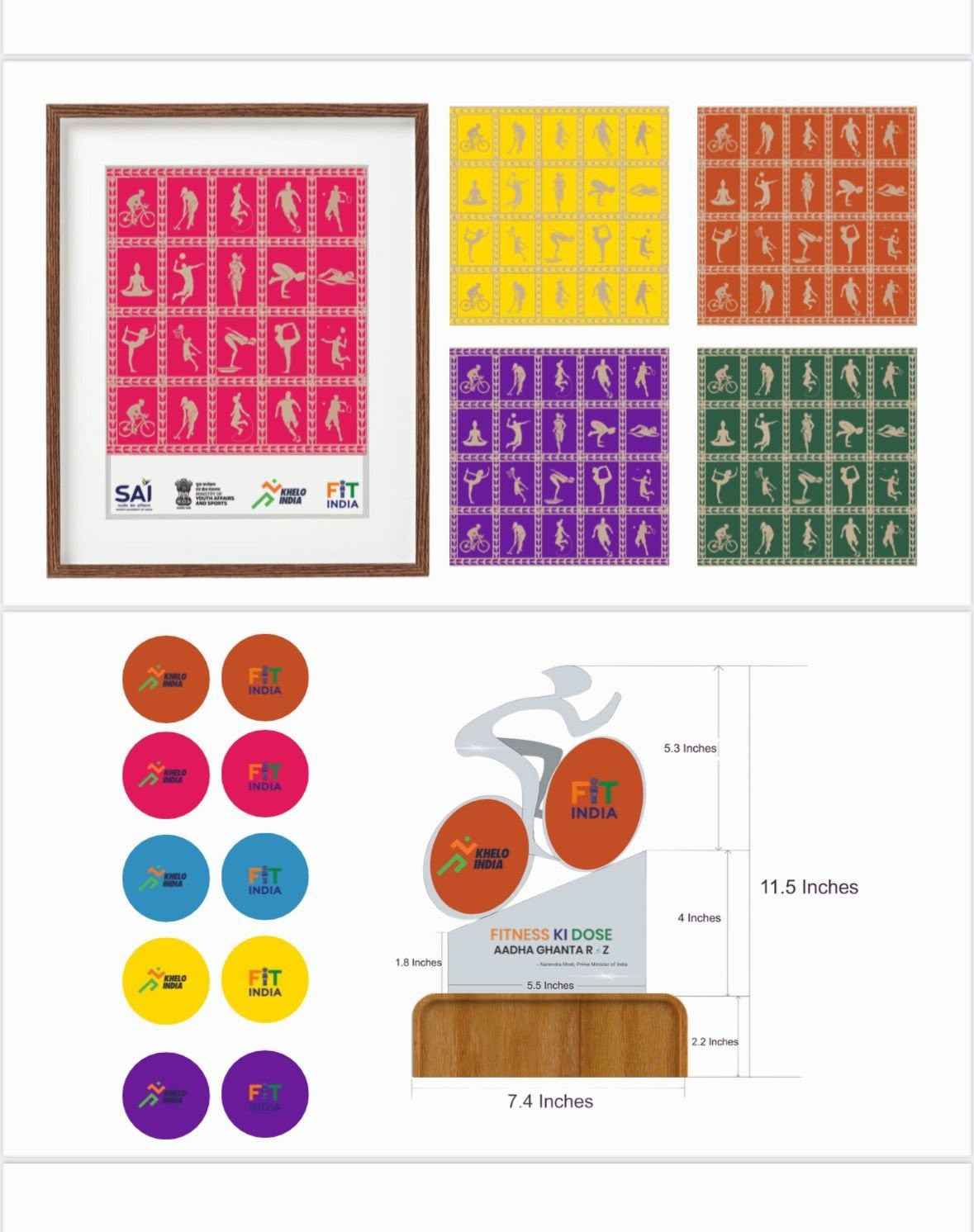
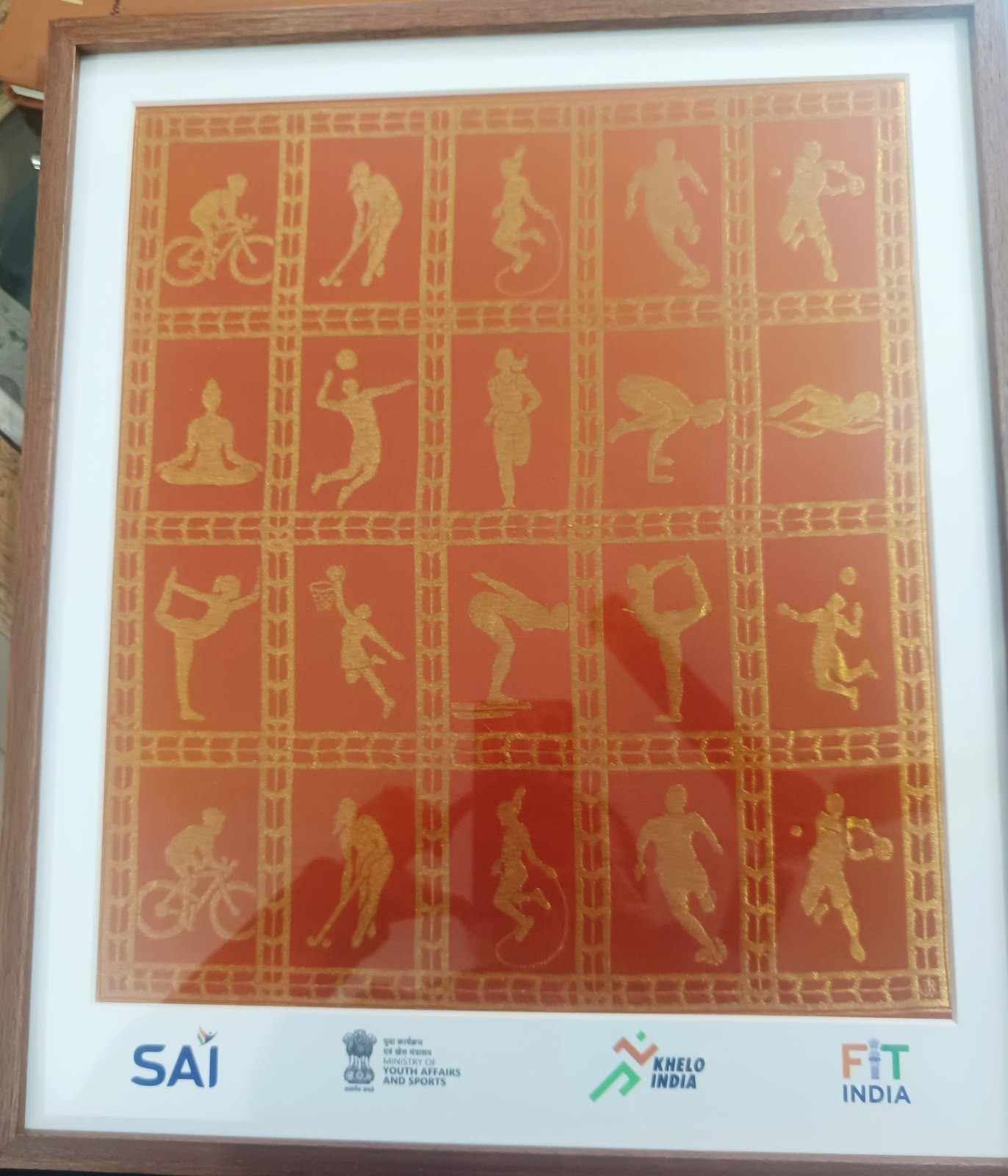
Known for designing Ram Lalla’s attire, the Axiom Mission insignia, and most recently conceptualising the first-ever handloom-inspired souvenir for the Sports Authority of India, Tripathi has consistently taken Indian textiles beyond fashion into spaces that celebrate the country’s cultural identity.
“I’ve never seen handloom as a commodity. It’s our heritage, our storytelling, and in many ways, even our prayer,” says Tripathi. “Every weave carries the memory of generations. As designers, our responsibility is to ensure these stories continue to inspire the world.”
That belief led him to design the first handloom-inspired souvenir for the Fit India Movement, woven by artisans in Dharmavaram, Andhra Pradesh, and presented by the Hon’ble Union Minister for Youth Affairs & Sports to Akshay Kumar on International Yoga Day. For Tripathi, it was an opportunity to connect India’s sporting spirit with its rich craft traditions.
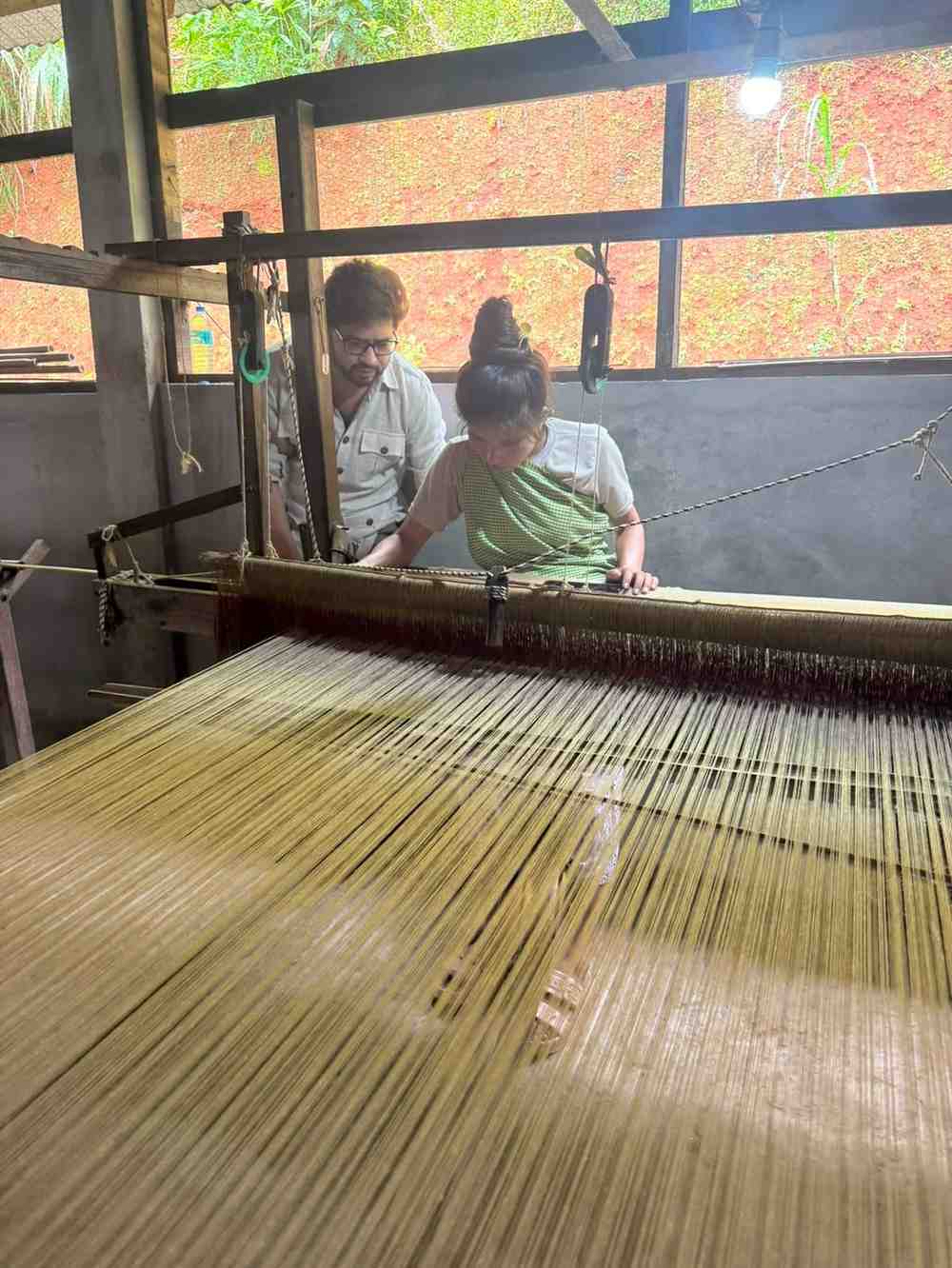
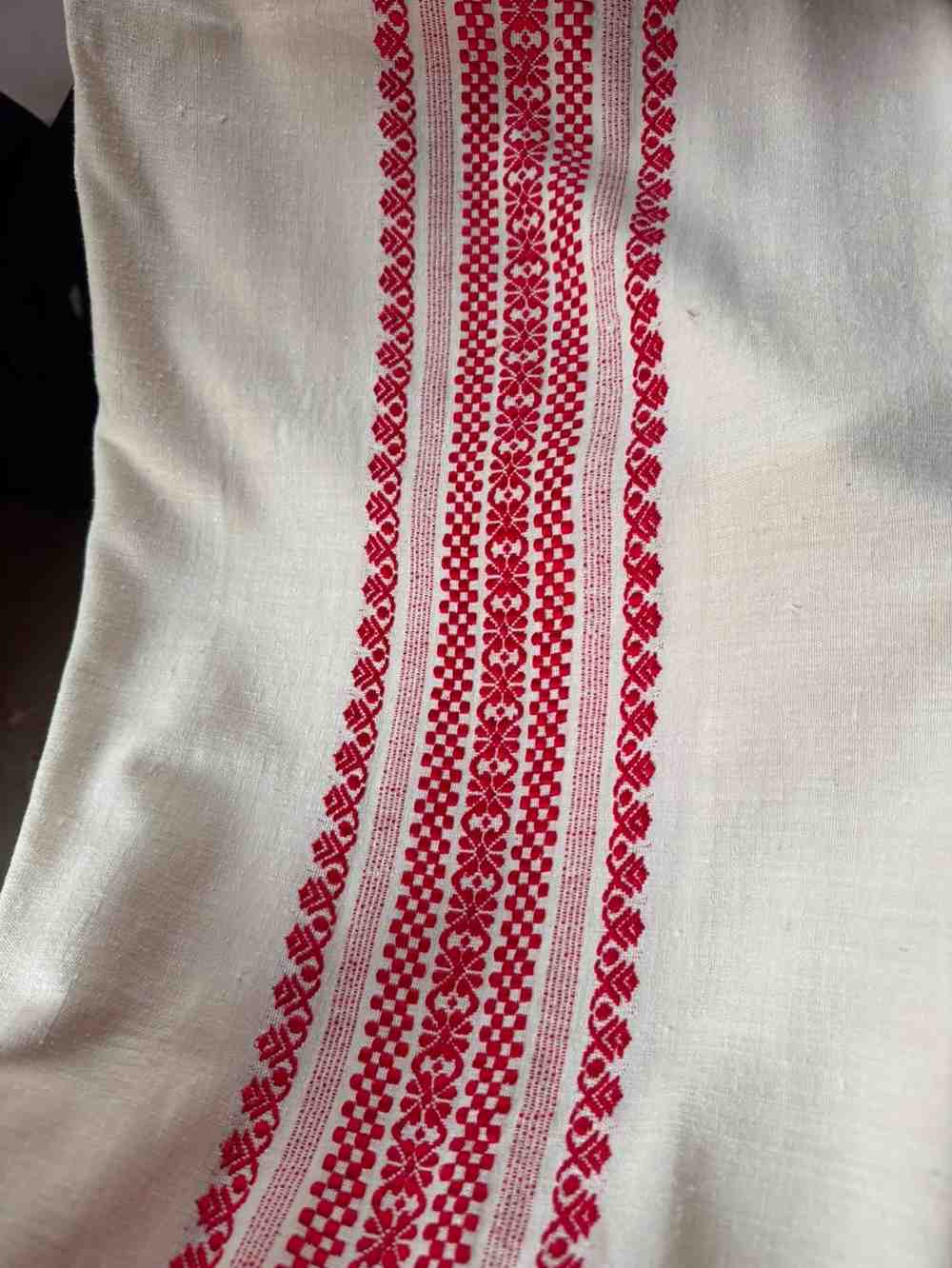
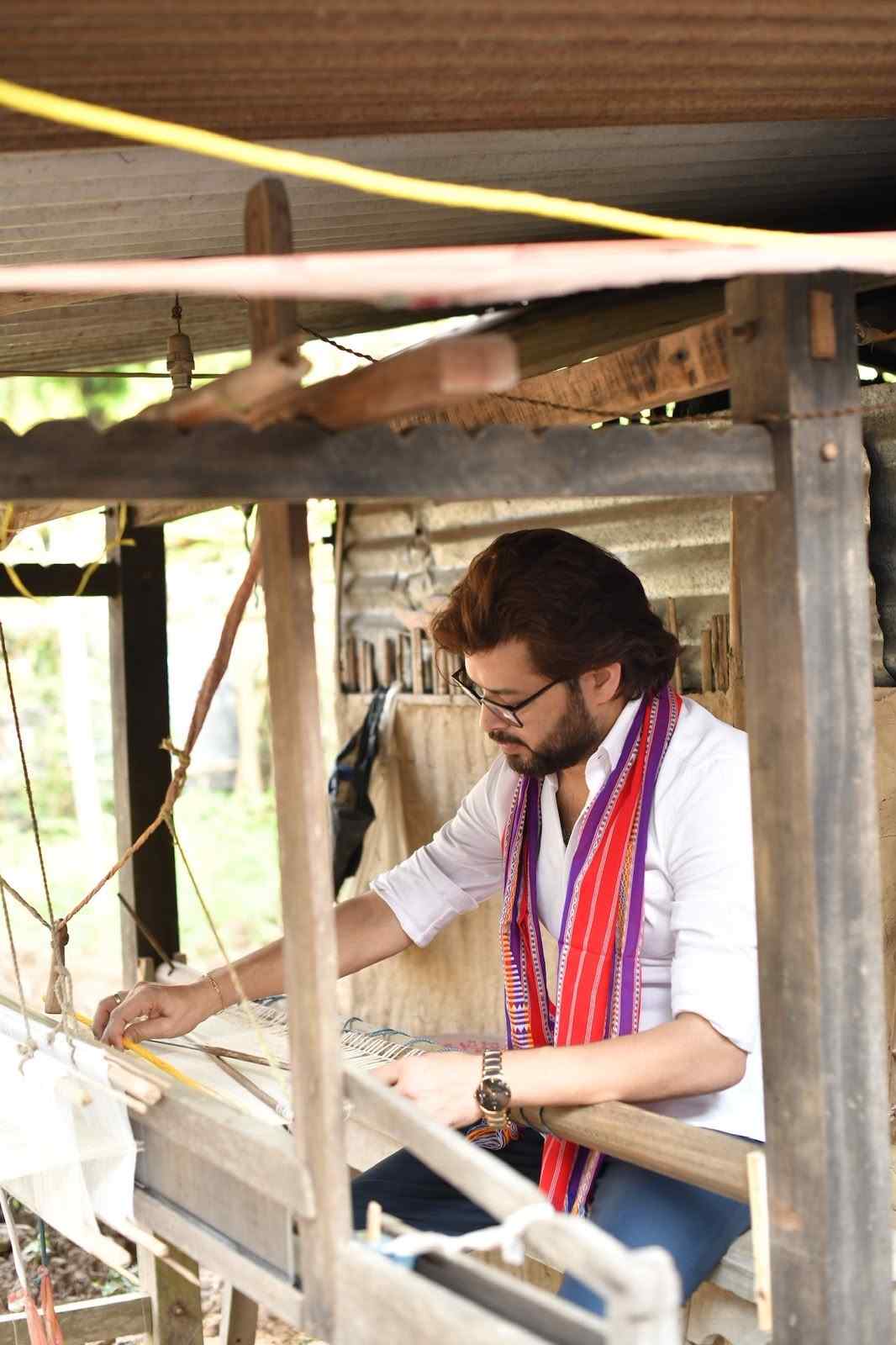
His work with AdiShivaya, an initiative focused on strengthening tribal livelihoods through design, has further reinforced his belief that artisans are far more than skilled craftsmen.
“They are the true custodians of our culture. Design should not only preserve traditions but also create contemporary, market-ready products that generate sustainable livelihoods for artisan communities,” he says.
While many see market access as the biggest challenge for Indian handlooms, Tripathi feels the real issue is how the sector is communicated. “The market exists. What we need are better storytellers. It’s encouraging to see young people embracing handloom again. Now it’s our responsibility to tell these stories with pride and authenticity.”
He also believes India’s handloom sector must embrace innovation without losing sight of its roots. “Heritage should inspire innovation, not limit it. If we innovate responsibly while respecting our cultural legacy, Indian handlooms can become one of the country’s strongest global design narratives.”
On National Handloom Day, Tripathi hopes the spotlight remains on the artisans who have kept these traditions alive for centuries. “The greatest tribute we can pay our artisans is not just appreciation, but respect, opportunity, and the commitment to ensure their legacy continues to thrive for generations to come.”