

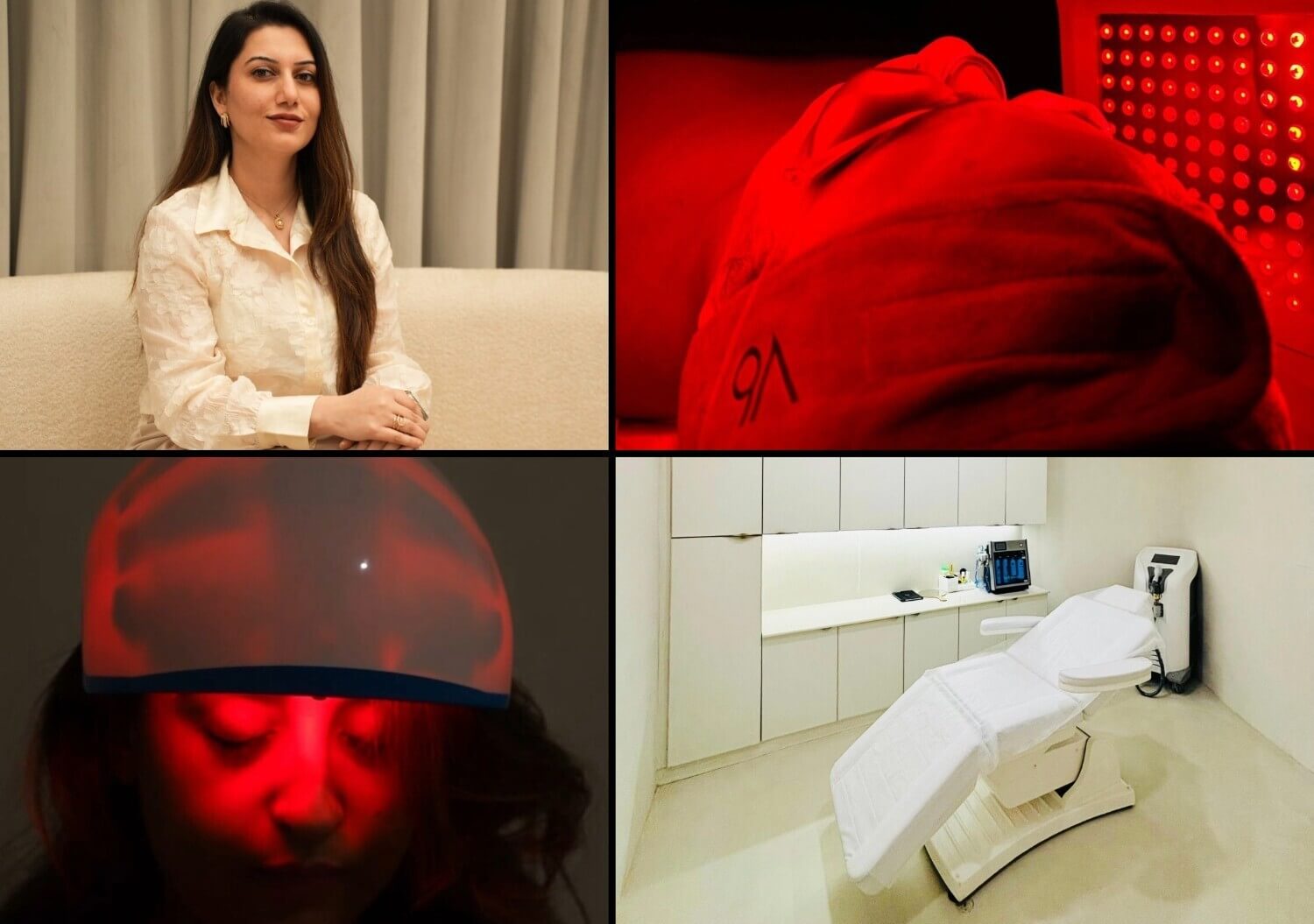
Dr Priyanka Sharma, Co-Founder, Director and Chief Dermatologist at V6 Clinics, its a premier luxury destination where advanced aesthetic science meets a refined, holistic approach to skincare and wellness.. Every treatment is thoughtfully curated to restore balance, enhance natural beauty, and deliver radiant, long-lasting results. Summer arrives with an easy charm, longer days, brighter light …
Dr Priyanka Sharma, Co-Founder, Director and Chief Dermatologist at V6 Clinics, its a premier luxury destination where advanced aesthetic science meets a refined, holistic approach to skincare and wellness.. Every treatment is thoughtfully curated to restore balance, enhance natural beauty, and deliver radiant, long-lasting results. Summer arrives with an easy charm, longer days, brighter light and skin that appears naturally radiant. There’s a comfort in minimal makeup, where a fresh, sun-kissed glow feels enough. Nonetheless, this balance rarely lasts. As the temperature increases, skin starts to change. Oil production soars, pores become more evident and unexpected breakouts start to surface. What once felt like a healthy sheen gradually turns into persistent shine and congestion. While this transition is subtle, it is consistently driven by heat, humidity as well as sweat. Even with a stable skincare regimen, the skin responds to seasonal shifts in nuanced ways, many of which aren’t immediately visible.
The Heat-Humidity Equation Behind Breakouts
Summer conditions typically make the skin more susceptible to congestion and breakouts. At its core, acne develops when pores become clogged with oil, dead skin cells, and bacteria. During warmer months, this process becomes more active. As temperatures rise, oil production increases, while humidity can hinder proper sweat evaporation. This results in a buildup of sweat that mixes with excess oil and other surface impurities.
In contrast to year-round acne, summer breakouts are often driven by external stressors. Sun exposure over time, along with the irritation caused by tight clothes and the lingering presence of sweat, can all lead to inflammation. Certain skincare choices can also play a role—particularly heavier sunscreens or products that feel occlusive in humid conditions.
Moreover, habits that seem harmless can further aggravate the skin. Overwashing or utilising harsh exfoliants can strip the skin barrier, prompting excess oil production. Avoiding moisturiser can disrupt hydration levels while layering multiple products can overwhelm the skin. In a season already marked by heat and humidity, these factors combine to augment the probability of clogged pores and recurring flare-ups.
Resetting the Skin for Warmer Days
Managing summer acne is less about adding more steps and more about adapting the routine. As heat and humidity influence how the skin behaves, skincare should shift toward lighter, more breathable formulations. Gel-based, non-comedogenic products help minimise buildup while allowing the skin to function comfortably. Salicylic acid and other ingredients work within the pores to dissolve excess oil and impurities. In contrast, niacinamide helps control sebum production, reduces inflammation and strengthens the skin’s barrier, which is especially helpful during seasonal changes.
Also, sun protection is non-negotiable. Choosing the right formula is important. A lightweight, matte, broad-spectrum sunscreen (SPF 30 or higher) protects the skin without contributing to shine or clogged pores. Gentle cleansing twice daily helps clear away sweat, oil, and impurities, while maintaining hydration keeps the skin balanced and discourages excess oil production.




Additionally, maintaining good hygiene is essential in minimising flare-ups. Showering after heavy sweating, changing pillowcases frequently plus limiting contact with the face helps prevent bacterial buildup and clogged pores. Also, adequate hydration supports skin function while avoiding heavy makeup and assuring complete removal at night leads to clearer skin.
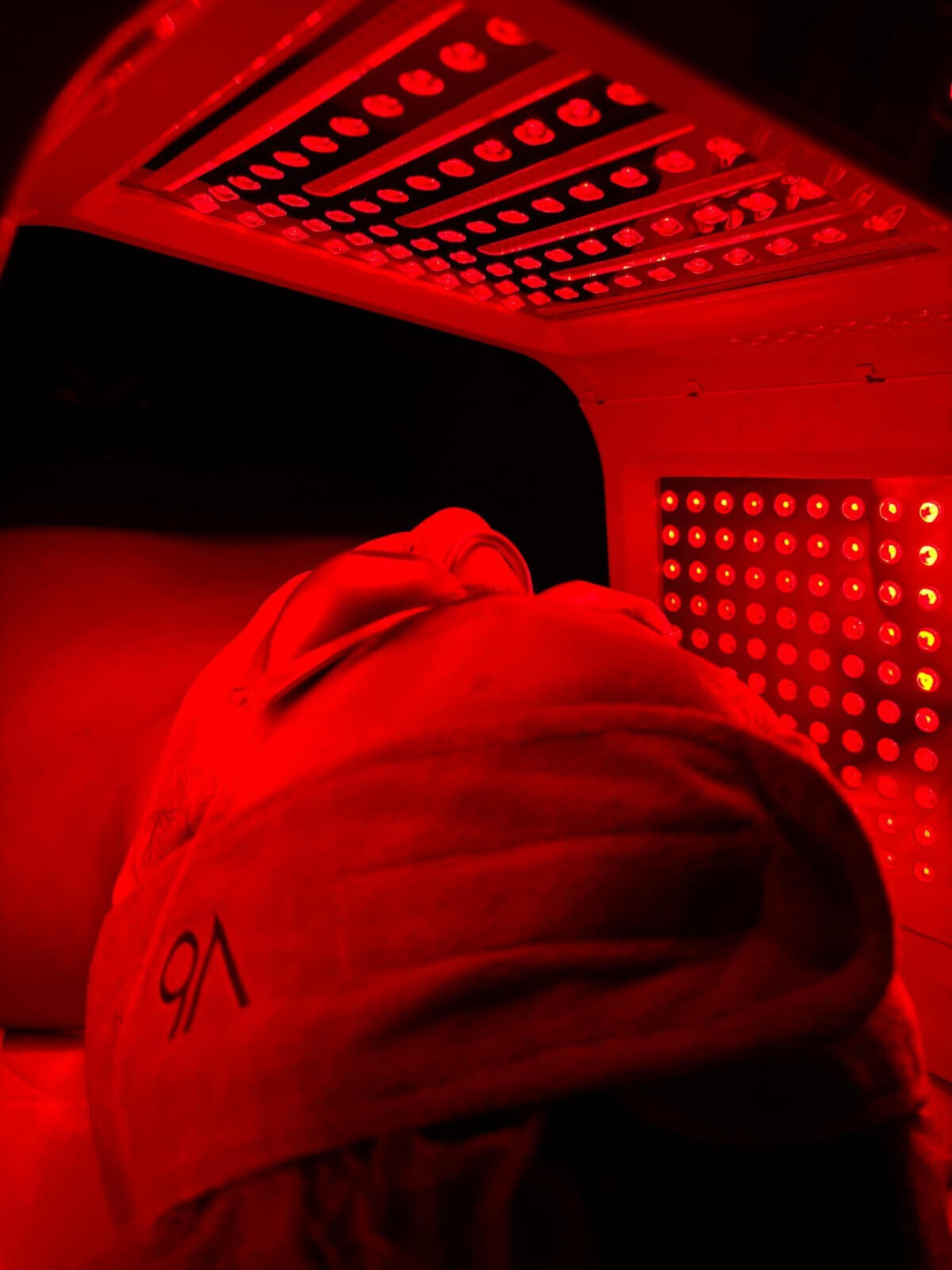
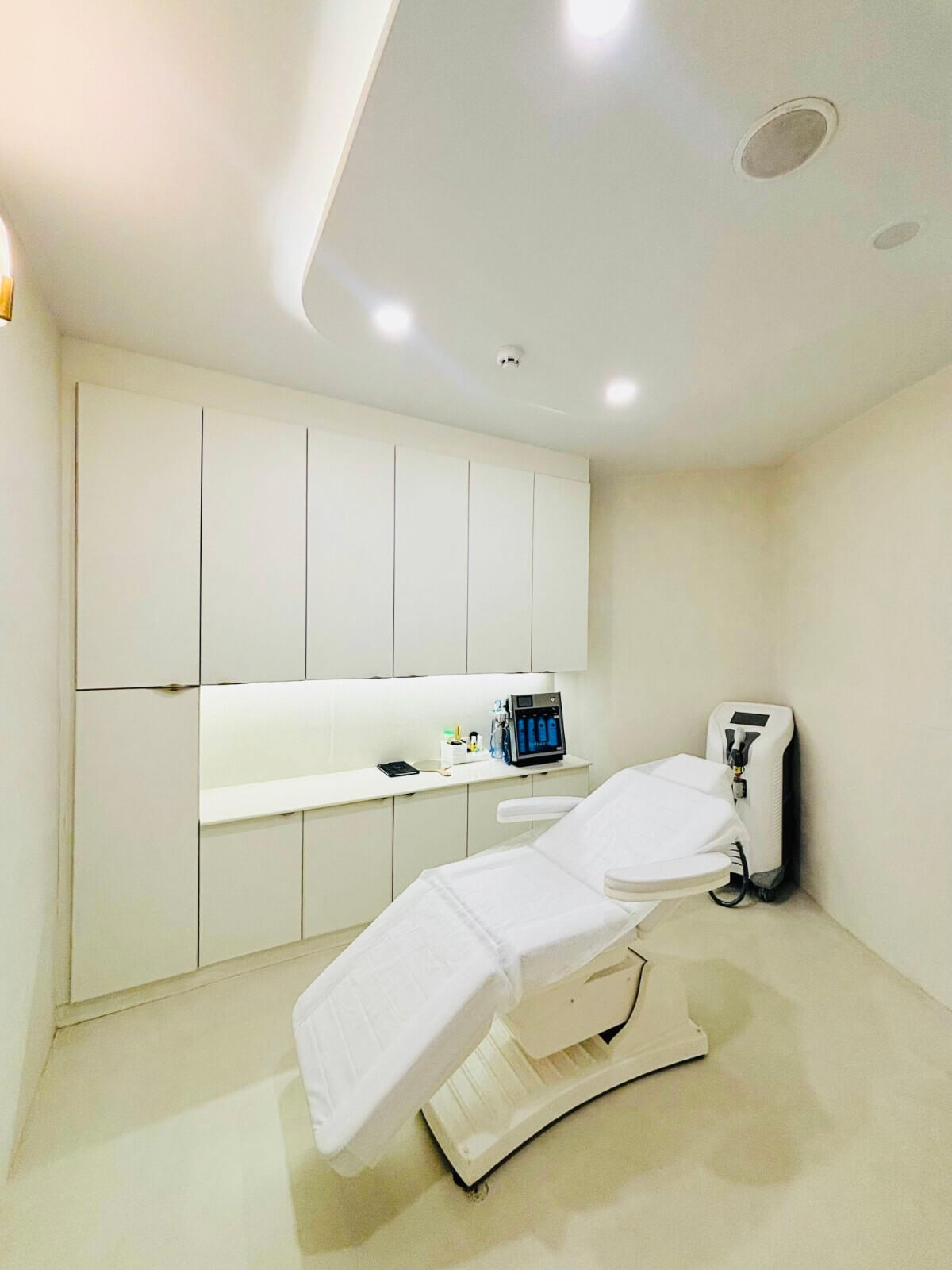
When acne becomes persistent, painful, or begins to leave marks, dermatological intervention may be required. Treatments such as chemical peels help unclog pores and control oil production, while laser therapies target acne-causing bacteria and reduce inflammation. Advanced options like microneedling radiofrequency (MNRF) and dermapen with PRP support skin repair, improve texture as well as minimise early scarring. Blue-light therapy is also used to control active acne by targeting bacteria and calming inflamed skin.
Ultimately, while summer acne is a frequent concern, it is also highly manageable. A few intentional changes in skincare habits, along with the right product choices and steady care, can help maintain clarity and keep the skin calm throughout the season.