
Exhibition: Capturing the Multiverse: Parallel States of Matter and Perception Artist: Sarika Dandona Curated by: Georgina Maddox Venue: LTC Gallery, Bikaner House, Pandara Road, New Delhi Dates: 27 October – 1 November 2026 From the Familiar to the Extraordinary: Sarika Dandona’s Photographic Exploration of Hidden Material Worlds New Delhi, October 2026: LTC Gallery at Bikaner …
Exhibition: Capturing the Multiverse: Parallel States of Matter and Perception
Artist: Sarika Dandona
Curated by: Georgina Maddox
Venue: LTC Gallery, Bikaner House, Pandara Road, New Delhi
Dates: 27 October – 1 November 2026
From the Familiar to the Extraordinary: Sarika Dandona’s Photographic Exploration of Hidden Material Worlds
New Delhi, October 2026: LTC Gallery at Bikaner House will present Capturing the Multiverse: Parallel States of Matter and Perception, a solo exhibition by self-taught, award-winning abstract photo-visual artist Sarika Dandona, curated by noted critic-curator Georgina Maddox. The exhibition will be on view from 27 October to 1 November 2026.
The exhibition explores the idea of the multiverse not simply as a scientific proposition of parallel universes, but as a way of understanding perception itself—where multiple realities can exist within the same moment, material and field of vision.
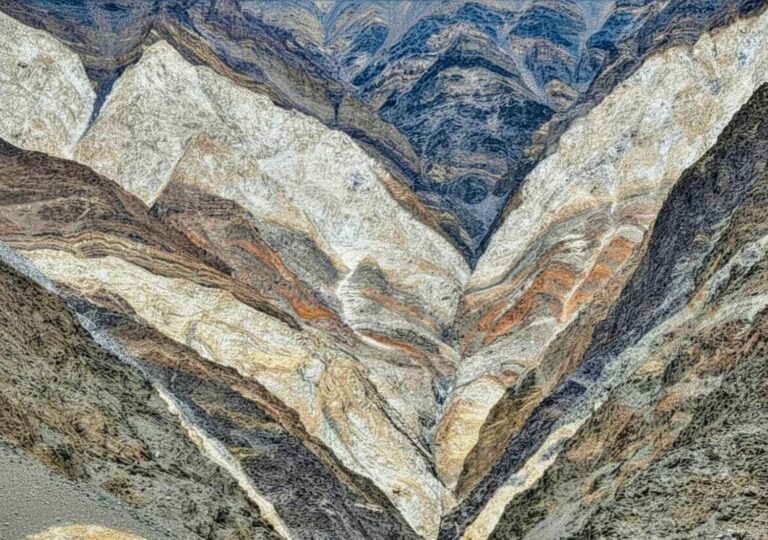
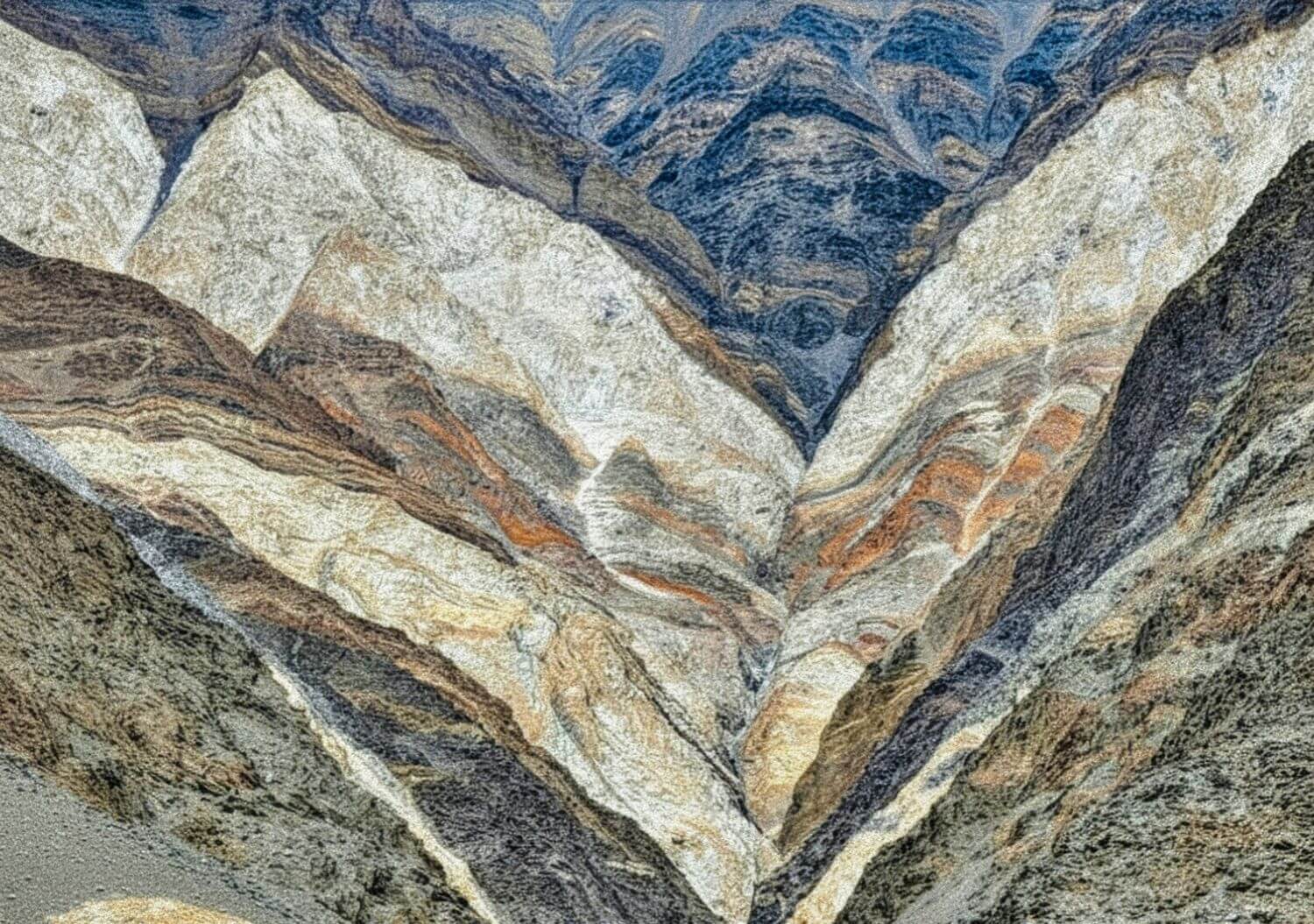
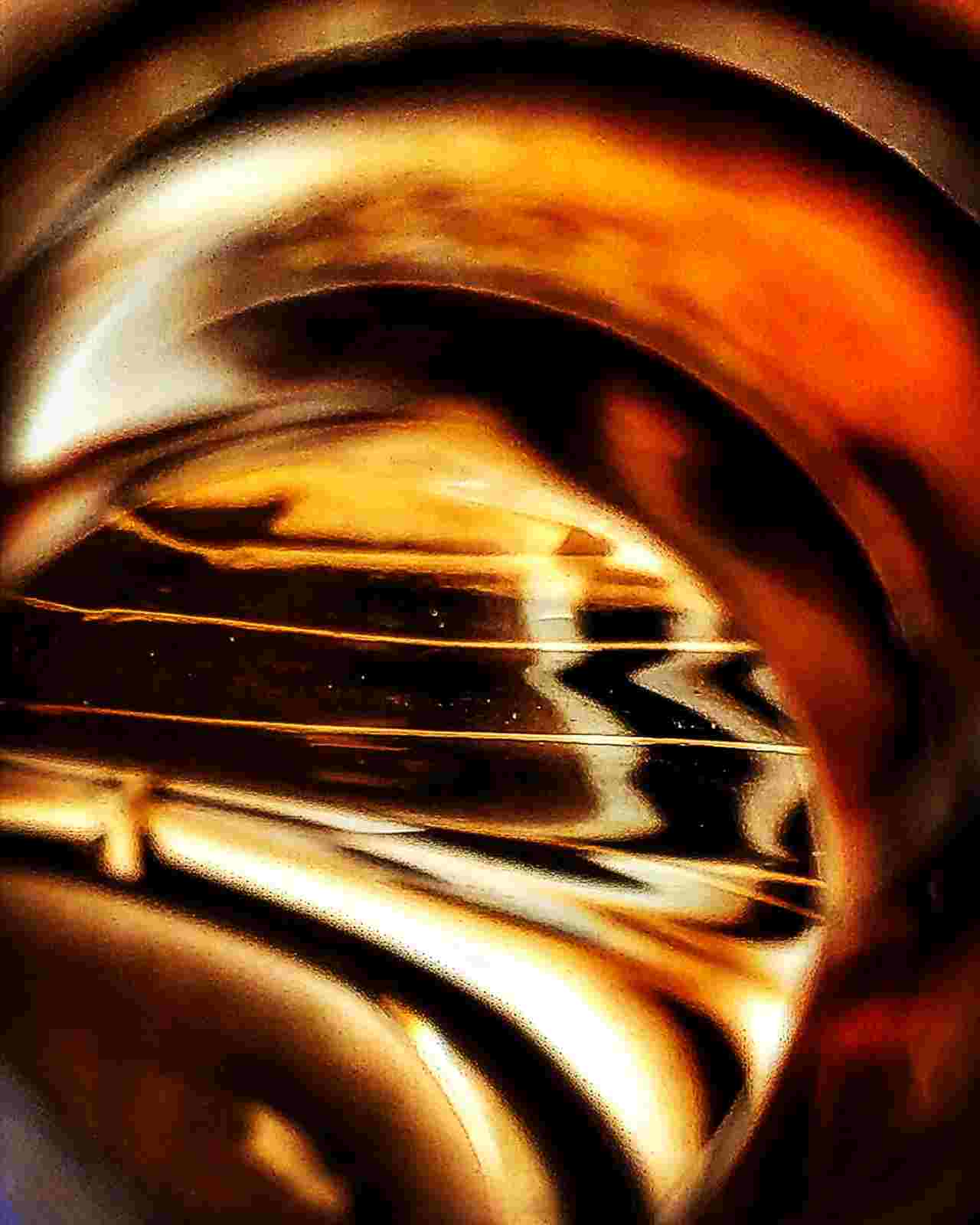
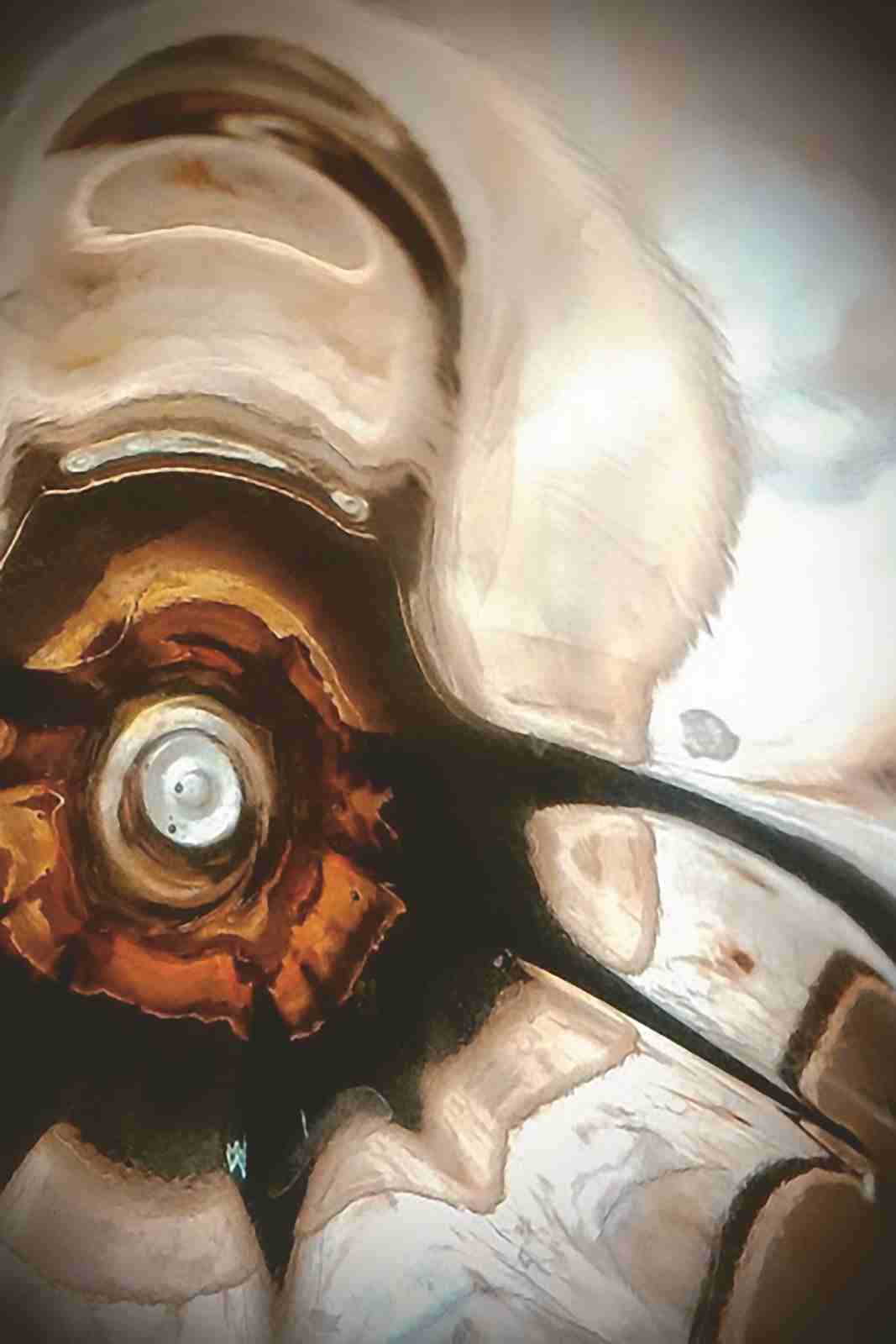
Dandona’s photographic practice is rooted in a fascination with material transformation. Working primarily with macro photography, she observes ordinary substances such as glass, ice, water, fire and weathered surfaces, revealing within them unexpected landscapes, structures and microcosms. Through light, movement, fracture, reflection and transformation, familiar materials become portals into worlds that can appear at once microscopic and cosmic.
A fracture in glass may resemble a river delta, a neural network or a geological fault line. Melting ice can evoke an aerial landscape or planetary atmosphere, while liquid forms suggest biological growth, cosmic movement and elemental flux. Fire becomes both energy and architecture. In these visual correspondences, the boundaries between the natural and the imagined, the microscopic and the monumental, begin to dissolve.
At the heart of Capturing the Multiverse is the idea of interconnectedness. Despite their apparent differences, materials often generate remarkably similar visual languages. Patterns repeat across scales, structures recur across environments, and forms echo one another across vastly different dimensions.
Photography as Discovery, Not Fabrication
A distinctive aspect of Dandona’s practice is that the abstract imagery in the exhibition originates entirely from real physical phenomena. The transformations are captured in-camera through the interaction of light and materials, rather than digitally fabricated or AI-generated.
The artist describes her practice as a process of embodied observation and discovery—one in which photography becomes a means of uncovering possibilities that already exist within the physical world.
This distinction gives the works a particular photographic authenticity. The images may appear otherworldly, but their origins remain firmly grounded in physical reality.
Curator Georgina Maddox observes that Dandona’s work examines “parallel material realities” through the interplay of material illusion, light and transformation. Her photographs invite viewers to move beyond the apparent surface of things and consider how matter is continuously changing, connecting and revealing new forms.
The exhibition also extends beyond the photographic image itself. For Dandona, the manner in which an image is displayed—its scale, placement, materiality and relationship to other works—is integral to the artwork. Her photographs have the potential to evolve into interdisciplinary installations that engage with architecture, material culture, immersive sensory environments and speculative materialism.
A Journey Across Science, Journalism, Entrepreneurship and Art
Dandona’s artistic journey has been shaped by an unusual combination of disciplines. Trained in biotechnology and microbiology, she developed an early fascination with observation and patterns hidden beyond the naked eye. Her years in journalism brought another dimension to her practice, rooted in inquiry, context and the understanding that every visible reality contains multiple layers. Her later experience as a healthcare entrepreneur further deepened her engagement with complexity, uncertainty and systems in constant evolution.
Photography eventually became the space where these experiences converged.
Over the last fifteen years, Dandona has developed a sustained artistic practice centred on material transformation. Her camera becomes an instrument of visual inquiry, allowing her to examine ordinary substances from unfamiliar perspectives and reveal the extraordinary within them.
As the artist reflects:

“Reality is rarely singular. The closer we look, the more layers emerge.”
For Dandona, the multiverse therefore becomes less about distant galaxies or theoretical parallel universes and more about the hidden realities that surround us every day. A single material can contain multiple visual worlds, depending on how closely—and from where—we choose to look.
Each photograph asks the viewer to pause, look again and reconsider what appears familiar. The works resist a single interpretation, allowing viewers to bring their own memories, associations and imagination into the encounter.
Ultimately, Capturing the Multiverse: Parallel States of Matter and Perception is an invitation to discover that beneath every surface lies another world waiting to be seen.
The concept of the multiverse, in which parallel universes and infinite possibilities co-exist, has emerged as a compelling source of inspiration in contemporary art. It enables artists to investigate alternate realities, shifting identities, and layered narratives that transcend linear understandings of time and space. Through varying mediums such as digital art, photography, film, and painting, art becomes a conduit for visualizing interconnected worlds and speculative dimensions, expanding the boundaries of perception and imagination.
Sarika Dandona, a self-taught, award-winning abstract photo-visual artist, looks at the multiverse as parallel material realities with hidden dimensions/microcosms within matter, perceived through the interplay of material illusion, light, and transformation. She is consumed by the continuous state of transition of objects and phenomena. Philosophically that implies relentless change, impermanence, and interconnectedness. It is a Buddhist teaching that nothing exists in total isolation or absolute stillness. Instead, all matter and ideas evolve through cause and effect within a broader systemic whole.
The exhibition is rooted in the idea that materials are not fixed entities but dynamic systems in continuous transformation, and it is this process that Sarika sets out to capture as metaphors with her camera. A fracture in glass may echo a river delta, a neural network, or a tectonic fault line. Melting ice may resemble an aerial landscape or a distant atmosphere. Fire becomes both energy and architecture. Liquid forms suggest biological growth, cosmic movement, and elemental flux. Across these works, boundaries between the natural and the imagined, the microscopic and the monumental, begin to dissolve.
At its heart, the exhibition is an exploration of interconnectedness. Despite their apparent differences, materials often generate remarkably similar visual languages.
Patterns repeat across scales.
Structures recur across environments.
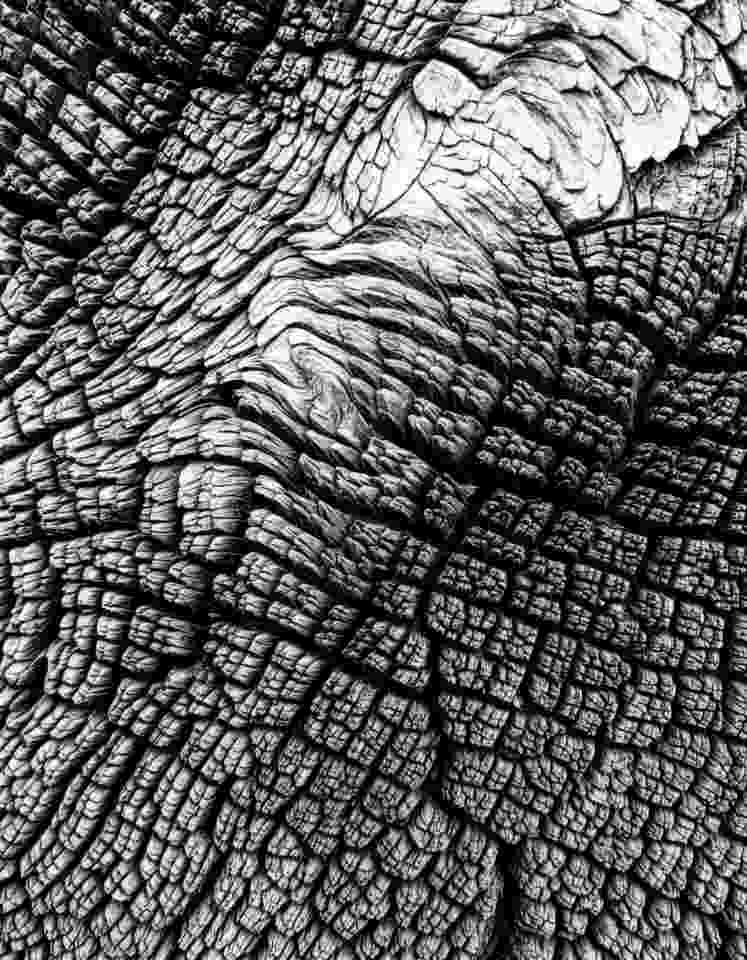
Through photography, Sarika reveals these unexpected correspondences, inviting viewers to navigate a field of parallel material realities that coexist within the everyday world.
This body of work is positioned as ‘experimental photographic art,’ which is distinct from AI-generated abstraction. This comes across strongly since all the images that Sarika captures originate from real physical phenomena, through an interaction between light and materials. It is an embodied observation at play, a process of discovery and not a ‘fabrication.’ All transformations are captured in-camera, and hence there is a photographic authenticity; it is not a play of AI that is distinct from actual physical phenomena.
Sarika engages with the multiverse through imagery that evokes the sensibilities of tectonic forces, the evocation of fire and ice, of glass, and then of fluids. These abstract substances naturally have a very concrete reality; however, Sarika approaches them with a transcendence that pushes the mundanity of these substances beyond the everyday to embrace the metaphysics of the multiverse.
Sarika’s photographs have the ability to morph into interdisciplinary installations that indicate architectural integration, material culture, immersive sensory environments, and speculative materialism. For the artist, the way she displays the images—how they’re arranged on the wall, their size, the materials used, and their relationship to each other—is just as important as the image itself.
From Material to Multiverse: The Art of Visualization
Every photograph in this exhibition begins with an encounter with an ordinary material. Through careful observation, light, framing, and proximity, familiar objects reveal forms that transcend their physical origins.
The resulting images are not digital constructions or imagined abstractions but photographs of real materials seen from unfamiliar perspectives. Each work invites the viewer to experience the journey from material reality to perceptual possibility—where the ordinary quietly unfolds into the extraordinary.
For as long as I can remember, I have been fascinated by what lies beneath the visible surface of things. My journey has been an unusual one — spanning science, journalism, entrepreneurship, and art—but in many ways, these disciplines have always been connected by a common impulse: curiosity. As a student of biotechnology and microbiology, I was trained to observe closely and recognize patterns hidden from the naked eye. My years in journalism sharpened a different way of looking—one rooted in inquiry, context, and the understanding that every visible reality contains multiple layers beneath the surface. Later, as a healthcare entrepreneur, I learned to navigate complexity, uncertainty, and systems in constant evolution. Photography became the space where these experiences converged, transforming observation into a form of visual inquiry.
Over the last fifteen years, my artistic practice has evolved through an ongoing exploration of material transformation. Working primarily with macro photography, I am drawn to ordinary substances—glass, ice, water, fire, and weathered surfaces — not as objects, but as living systems. Through light, movement, fracture, reflection, and change, these materials reveal unexpected worlds that often appear simultaneously microscopic and cosmic.
Reality is rarely singular. The closer we look, the more layers emerge.
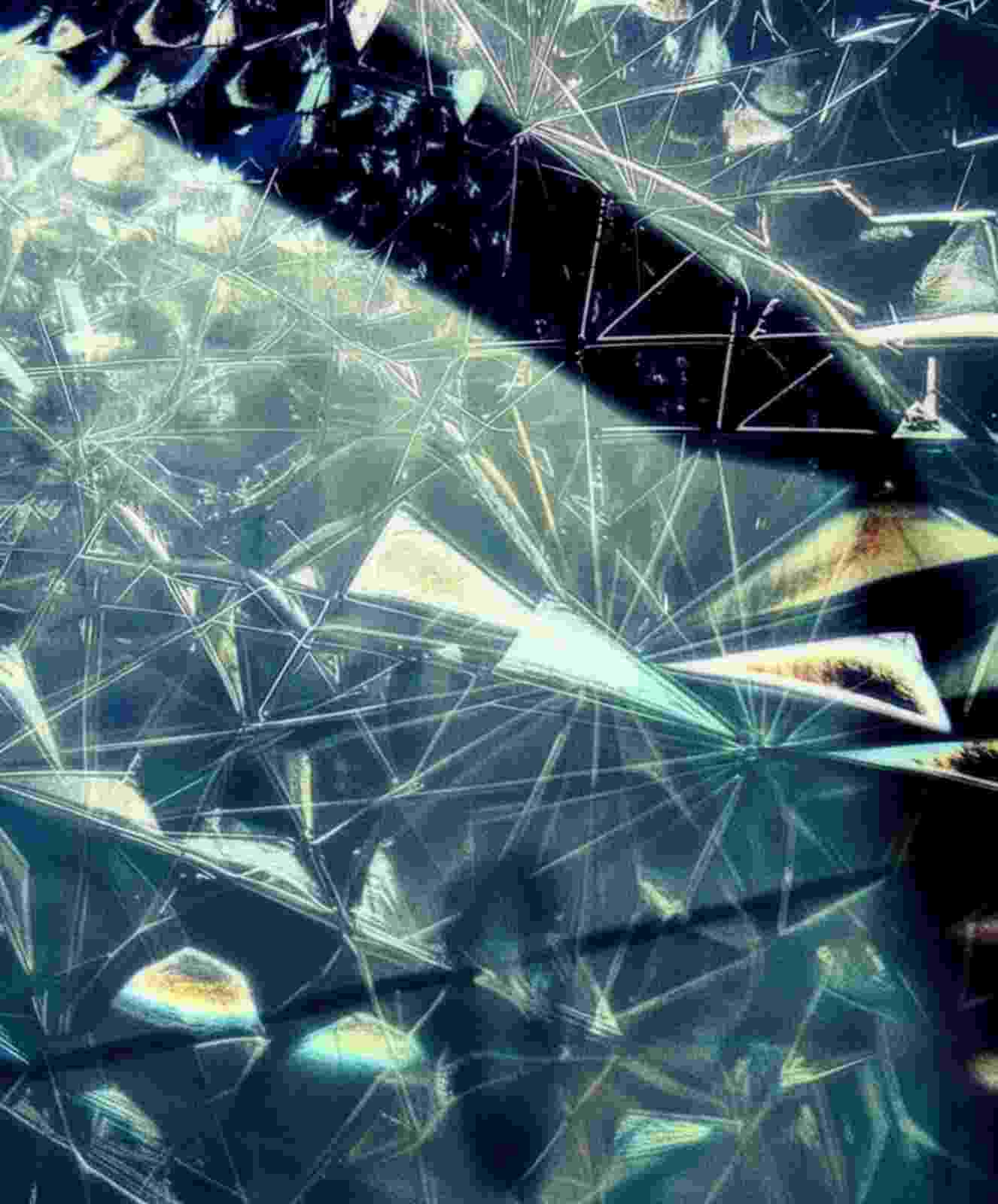
A crack in glass can resemble a river system, a neural network, or a geological fault line. Melting ice evokes planetary atmospheres. A fleeting reflection suggests a distant galaxy. Across vastly different scales, patterns repeat, structures echo one another, and boundaries quietly dissolve.
It is this phenomenon that inspired Multiverse.
For me, the multiverse is not simply a scientific theory about parallel universes. It is a way of understanding perception itself. It suggests that multiple realities can coexist within the same moment, the same material, and the same field of vision. Through photography, I seek to reveal these hidden dimensions—worlds that exist all around us yet often remain unnoticed.
Every image in this exhibition originates from real physical phenomena. Nothing is artificially constructed. The works emerge through direct engagement with materials and the transformative interaction of light, allowing the familiar to become unfamiliar and the ordinary to become extraordinary.
For collectors and connoisseurs, Multiverse offers an invitation to engage with works that continually unfold over time. These images resist fixed interpretation. They encourage sustained looking, rewarding curiosity with new associations and discoveries. Their ambiguity allows each viewer to bring their own experiences, memories, and imagination into the work.
At its heart, Multiverse is an invitation to pause and look again—to recognize that beneath every surface lies another world waiting to be discovered.
– Sarika Dandona
Artist’s Statement : About the Artist
Sarika Dandona is a self-taught, award-winning abstract photo-visual artist whose practice is centred on the observation of material transformation. Working primarily through macro photography, she explores glass, ice, water, fire and other physical materials to reveal patterns and structures that connect the microscopic with the cosmic.
Her multidisciplinary journey across science, journalism, entrepreneurship and art informs her approach to photography as a form of visual investigation and discovery.
About the Curator
Georgina Maddox is a critic-curator known for her engagement with contemporary Indian art and critical writing. Through Capturing the Multiverse, she brings attention to Dandona’s distinctive approach to photography, materiality, perception and transformation.