

Stress does not directly cause acne. What it does is create the biological conditions in which acne and other skin problems thrive. The link between stress and skin is well-established, and not surprising, since skin and the nervous system arise from the same embryonic tissue, the ectoderm. This shared origin helps explain why emotional strain …
Stress does not directly cause acne. What it does is create the biological conditions in which acne and other skin problems thrive.
The link between stress and skin is well-established, and not surprising, since skin and the nervous system arise from the same embryonic tissue, the ectoderm. This shared origin helps explain why emotional strain so often coincides with breakouts, redness, sensitivity, or the flaring of existing conditions.
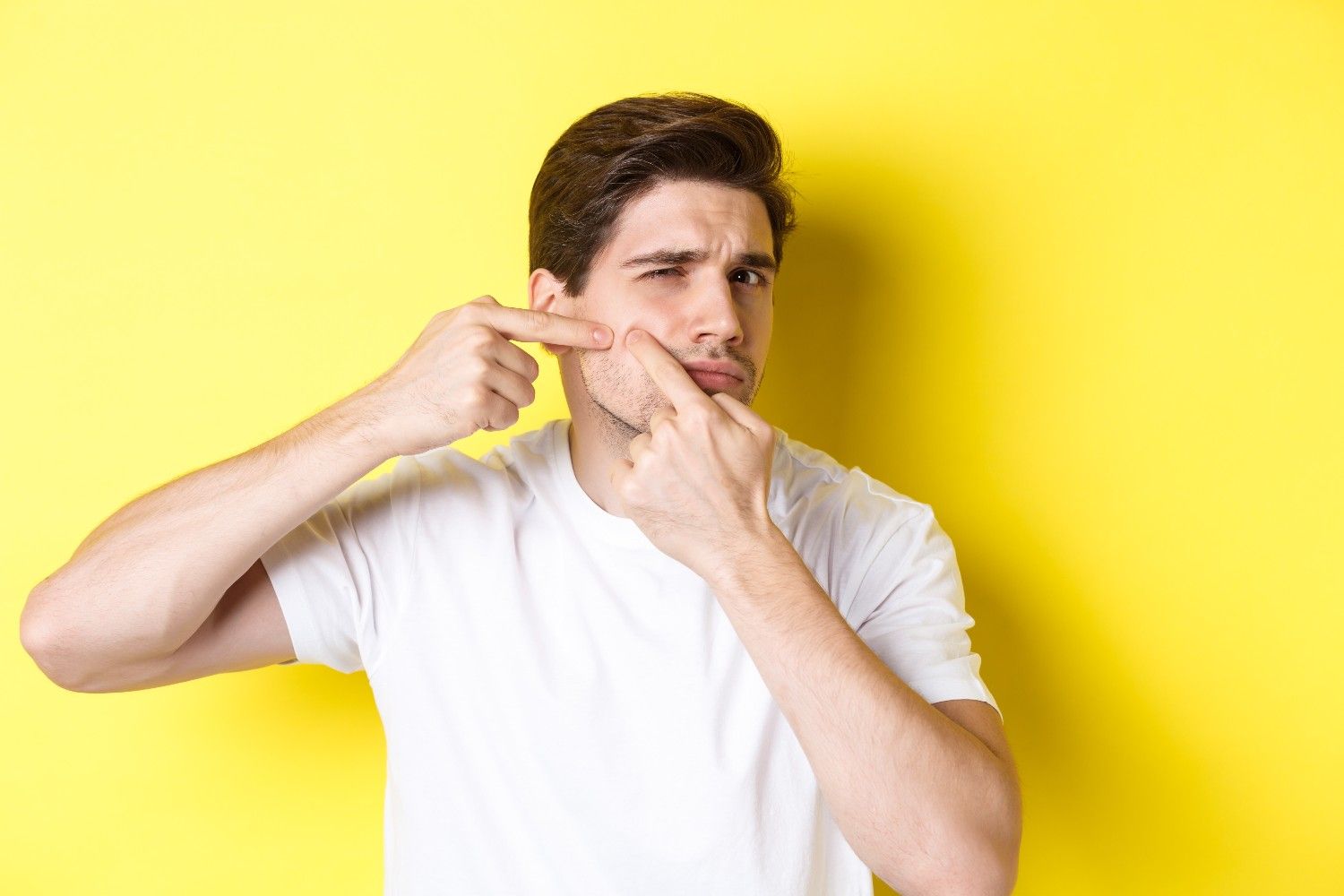
Under stress, the body releases hormones and chemical messengers to help us meet the challenge. The best known is cortisol. But the more revealing story is local: the skin releases its own chemical signals that drive its oil glands into overdrive. Excess sebum, combined with dead cells and inflammation, creates the environment in which acne lesions form, while the same signals slow healing and make existing blemishes more stubborn.
That local machinery is the heart of the matter. Research now shows the skin possesses its own stress-response system, producing and reacting to stress signals independently of the brain. Under chronic stress this system can drive inflammation, weaken the barrier, and accelerate ageing, the biological basis of what we call the skin-brain connection.
It has opened a field sometimes called neurocosmetics: ingredients, including Indian botanicals such as wild indigo, studied for their potential to quiet the skin’s stress signalling, though the evidence is still young.
The barrier is where much of this becomes visible. As the body’s first defence against the environment, a compromised barrier loses water more readily, leaving skin dry, irritable, reactive, and dull. It is also why the effects reach beyond acne: eczema, psoriasis, rosacea, and some forms of hair loss are all known to worsen under emotional or physical stress. Many dermatologists now treat stress management as part of the treatment itself.
This is where expectations need calibrating. Good skincare can support the barrier and calm inflammation, but no topical can undo chronic stress. Sleep, exercise, balanced nutrition, and genuine stress management remain non-negotiable for healthy skin.
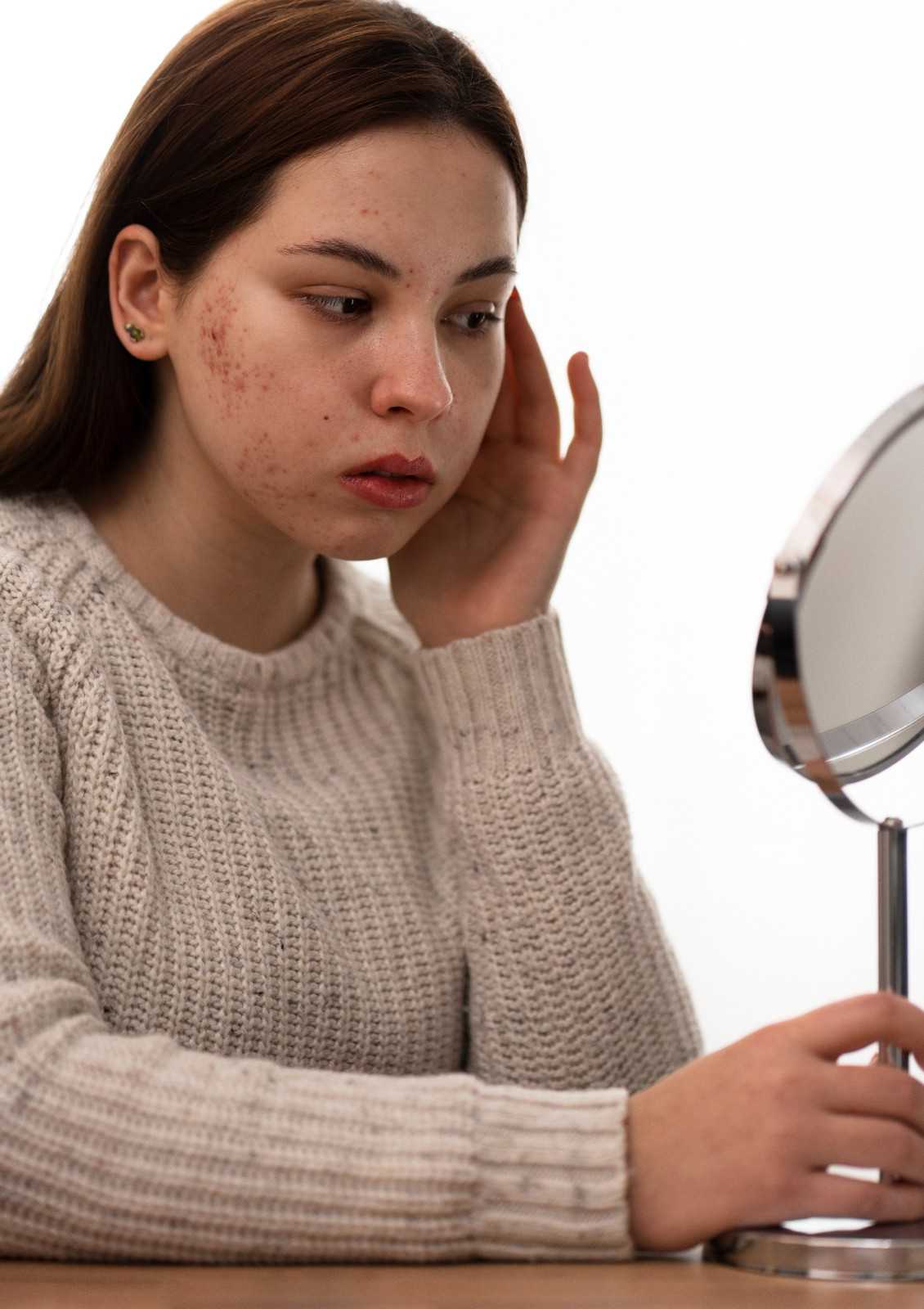
Which is the real lesson. The skin is not a passive covering but a responsive organ, reporting in real time on what is happening within. Treat the surface by all means, but if the stress beneath it never lifts, the skin will keep telling the truth.
Oscar Pereira is a skincare formulator and educator with over two decades of experience in professional skincare. He works closely with dermatologists and aestheticians across India, focusing on barrier-led, science-based approaches tailored to Indian skin and climate.